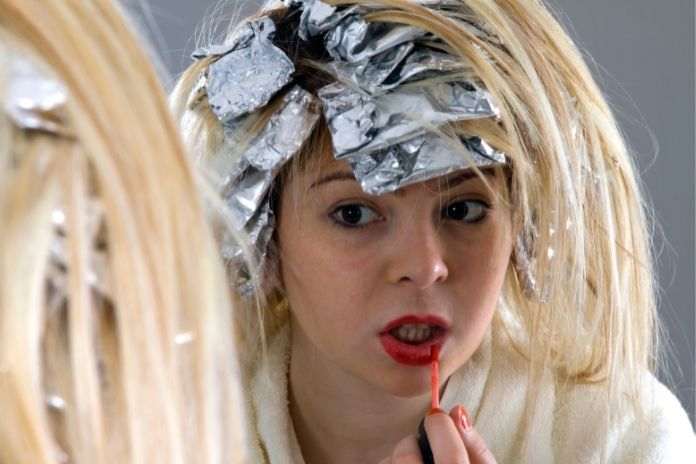
If you’ve ever stared at your reflection wondering why your ponytail looks like a sad piece of spaghetti, welcome. Thin hair gets dismissed as something to “fix,” but the truth is, most of the limpness comes down to one thing: a haircut that fights against your hair instead of working with it.
Long layers are the secret. Done right, they create movement, dimension, and the illusion of much thicker hair, all while keeping the length you love. Done wrong, they shred your hair into wispy nothingness. The difference is in the details — where the layers start, how they’re cut, and what you ask your stylist for.
In this guide, you’ll get 23 long layered haircuts for thin hair, each tagged with who it suits best and exactly how to style it. Plus a stylist cheat sheet, mistakes to skip, and the styling routine that takes flat hair from “meh” to bouncy in under 10 minutes.
👉 Quick navigation: skip to the styles, jump to FAQs, or save this post for later — you’ll want it.
Dont’ Miss:
- 32 Long Layered Haircuts to Transform Your Look [2026 Guide]
- 11 Modern Very Thin Hairstyles
- 14 Best Hairstyles with Face-Framing Layers
Why Long Layers Work So Well for Thin Hair
Thin hair looks flattest at the ends, where the weight pulls everything straight down. Layers solve that. By removing weight strategically — not at the top, where you need volume — long layers create the illusion of dimension and bounce.
Here’s the magic: when light hits layered ends, it scatters across multiple lengths instead of bouncing off one flat hemline. That scatter reads as fullness to the eye. It’s the same trick stylists use on fine-haired celebrities who somehow always look like they have triple the hair they really do.
Layers also let your hair move. And movement, more than volume, is what makes hair look healthy and full on camera, in person, and especially in selfies.
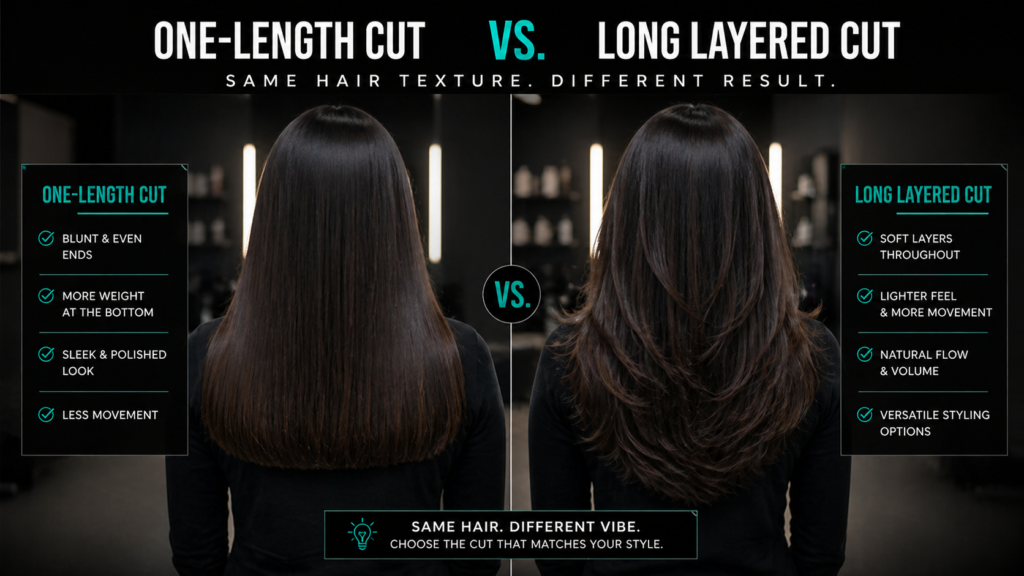
The 2026 trend is leaning hard into “lived-in layers” — soft, blended, undone-looking cuts that feel effortless. Think Sydney Sweeney’s signature long shag, Hailey Bieber’s wispy butterfly cut, or Zendaya’s curtain-bang layers. None of these women have particularly thick hair. They have good cuts.
📌 Pin this idea: text-overlay pin reading “Long Layers Make Fine Hair Look Thick — Here’s Why”
What to Tell Your Stylist Before You Sit Down
This is the part most people skip, and it’s why so many thin-hair girls leave the salon disappointed. Walk in with three reference photos and these three sentences:
1. “Long layers, not razored.” Razor cuts shred fine hair into wispy, see-through ends. Ask for point-cutting with shears instead. It softens the edges without destroying density.
2. “Layers should start at the chin or below — never above.” Layers cut too high near the crown remove the weight your length needs to look intentional. Keep the longest layer at chin-length minimum.
3. “Keep the perimeter strong.” Your ends should look blunt-ish, not feathery. A strong perimeter is what makes thin hair look healthy and full instead of stringy.
If you’re feeling brave, ask about internal layers (also called invisible layers or hidden layers). These remove bulk without changing the outline of your cut — perfect for thin hair that looks too “helmet-y.”
The 23 Long Layered Haircuts for Thin Hair
Each style below comes with who it suits, why it works for thin hair, and a styling tip you can steal. Save the ones that catch your eye — your stylist will thank you for the visual.
1. Long Layers With Curtain Bangs
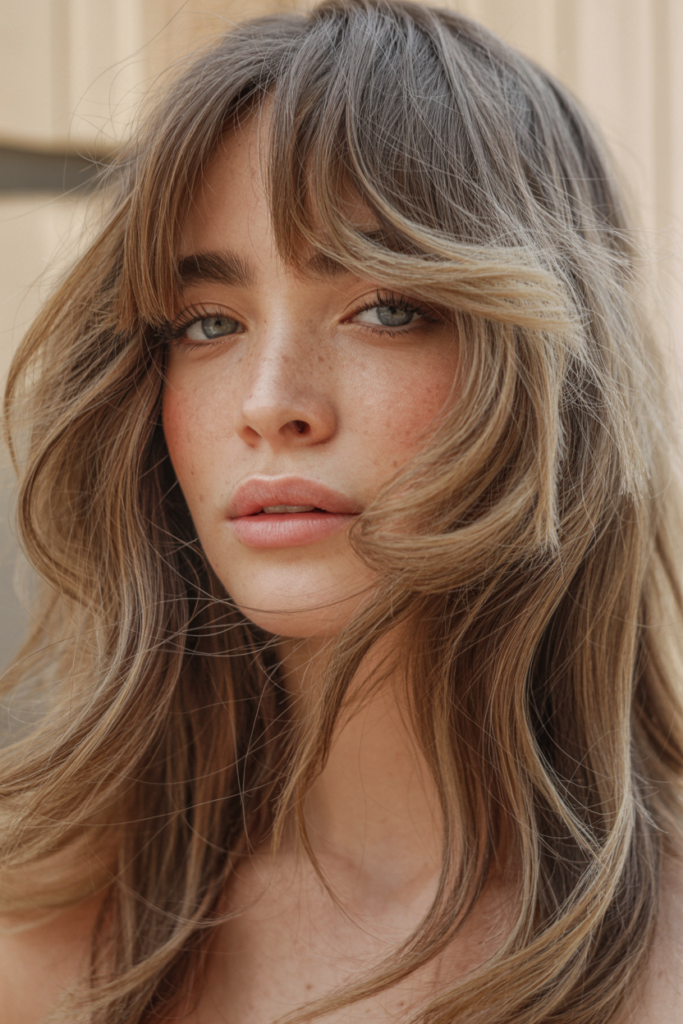
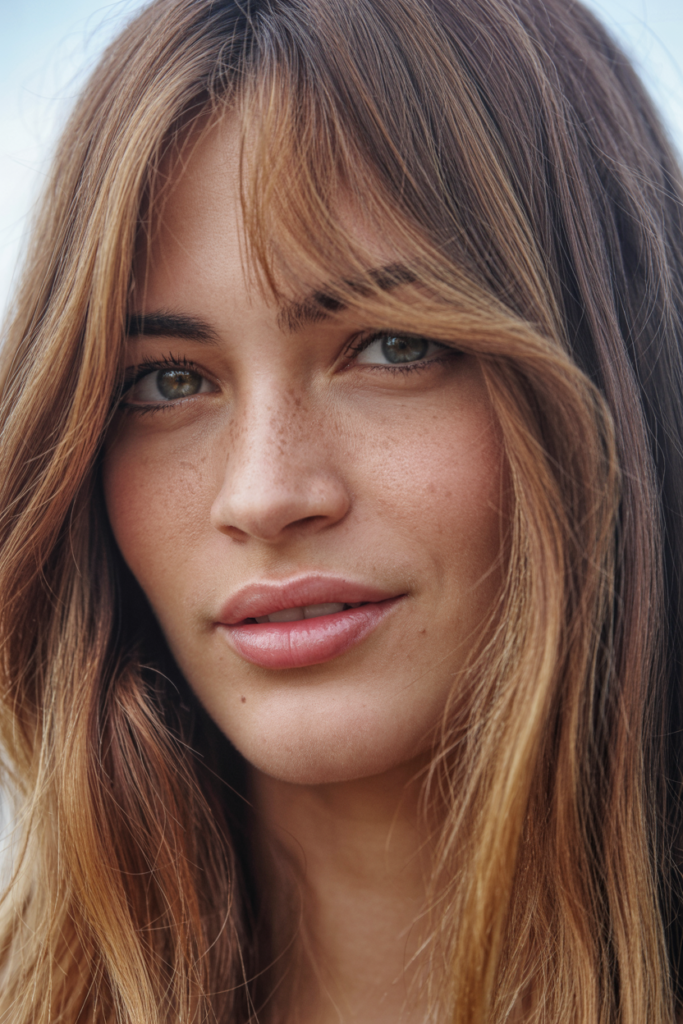
The internet’s favorite haircut for a reason. Soft, face-framing curtain bangs add instant fullness around the cheekbones, and the long layers behind them give the back movement without sacrificing length.
Who it suits: Round, oval, and heart-shaped faces. Why it works for thin hair: Curtain bangs visually thicken the hairline, where thinness shows up first. Quick tip: Blow-dry the bangs forward, then split them with your fingers — never a comb.
2. V-Cut Layers for Length
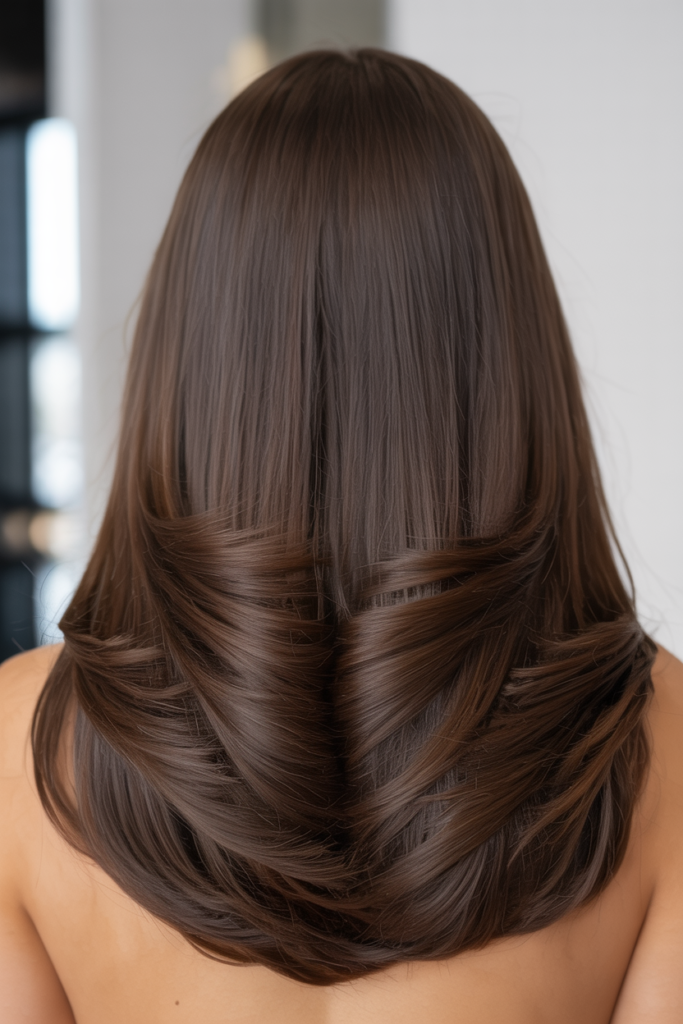
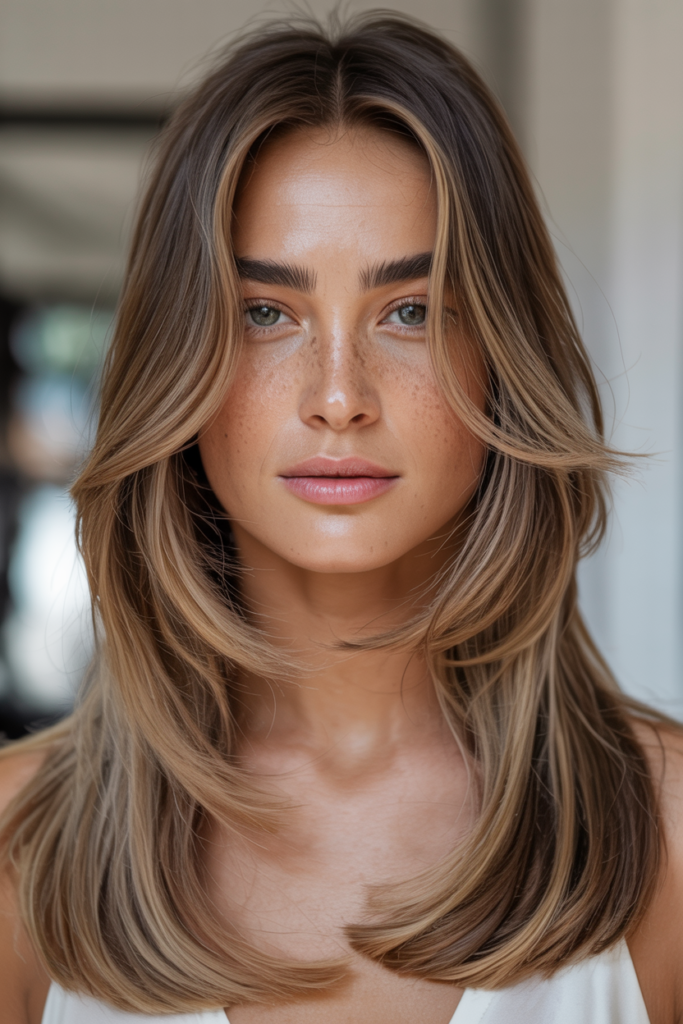
The V-cut keeps your length completely intact while adding subtle layers from the back. From the front, it looks one-length. From the back, it has a soft V-point with whispered layers framing the edges.
Who it suits: Anyone obsessed with keeping length. Why it works for thin hair: Removes zero weight from the perimeter — keeps hair looking fuller. Quick tip: Pair with deep side part for max drama.
3. Long Shag With Face Frame
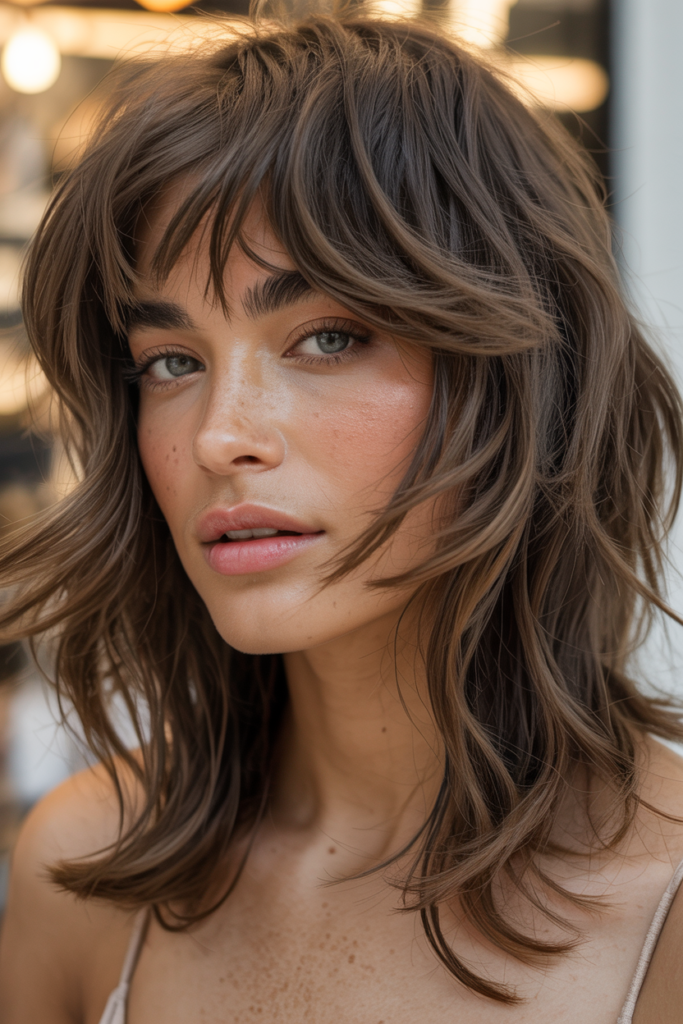
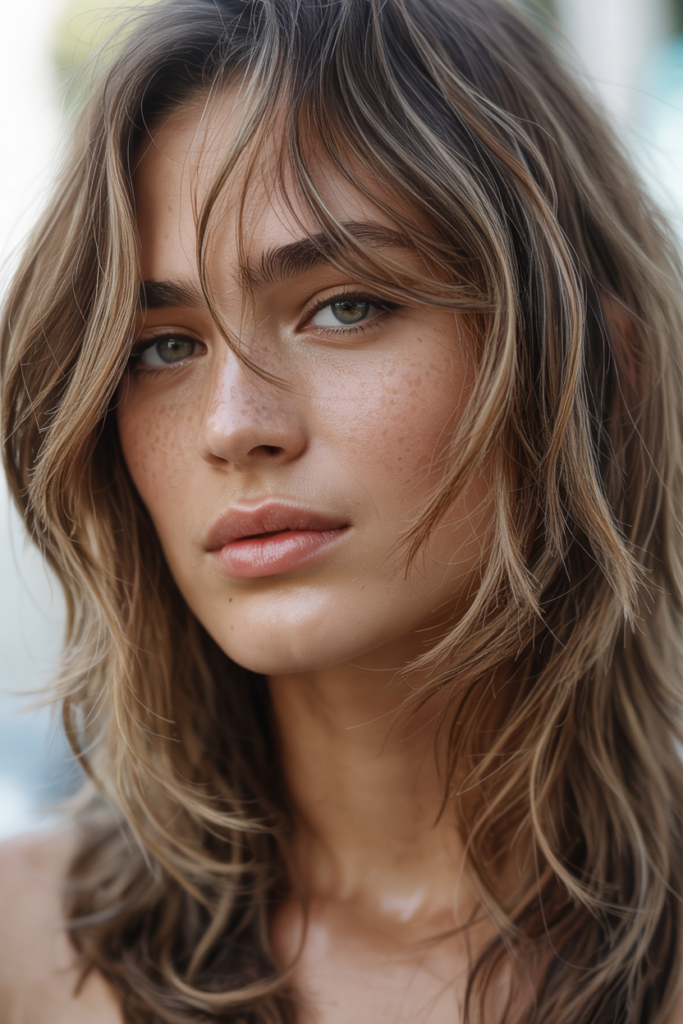
The shag is back for 2026, and the long version is the most flattering iteration yet. Choppy layers throughout + face-framing pieces around the cheekbones = built-in volume.
Who it suits: Square and oval faces; works on straight, wavy, and curly hair. Why it works for thin hair: The choppy texture creates dimension that fakes density. Quick tip: Ask for “soft shag” — not 70s rock-star shag — to keep it modern.
🖼 [Image 6: Long shag with face-framing layers, three-quarter angle]
📌 Pin this idea: split image showing front and back of the long shag, captioned “Soft Shag for Thin Hair”
4. Soft Layered Lob (Long Bob)
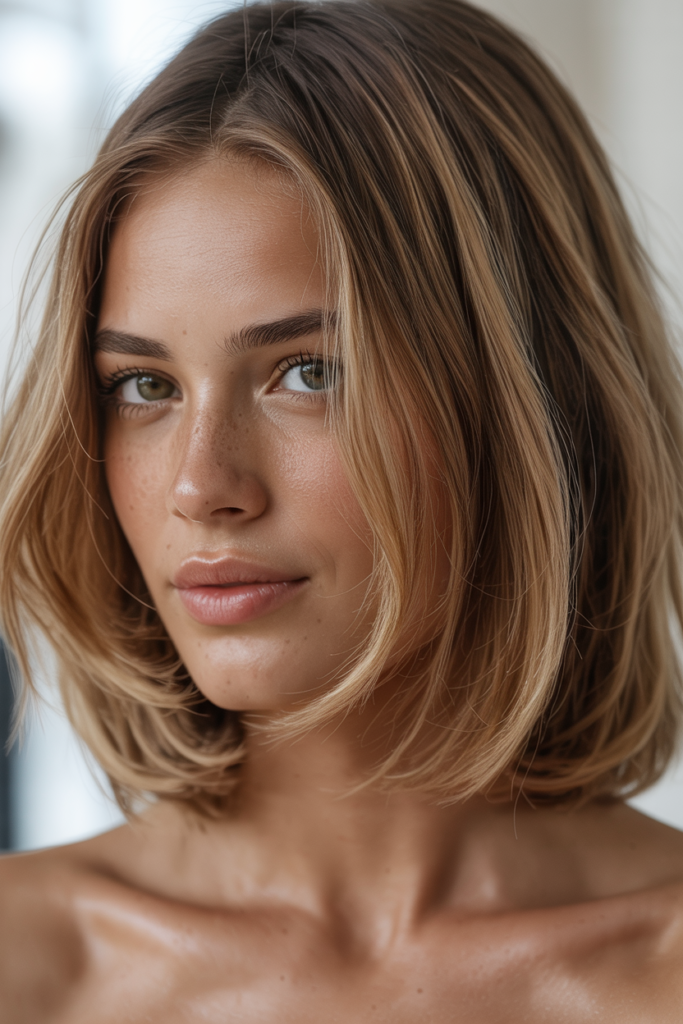
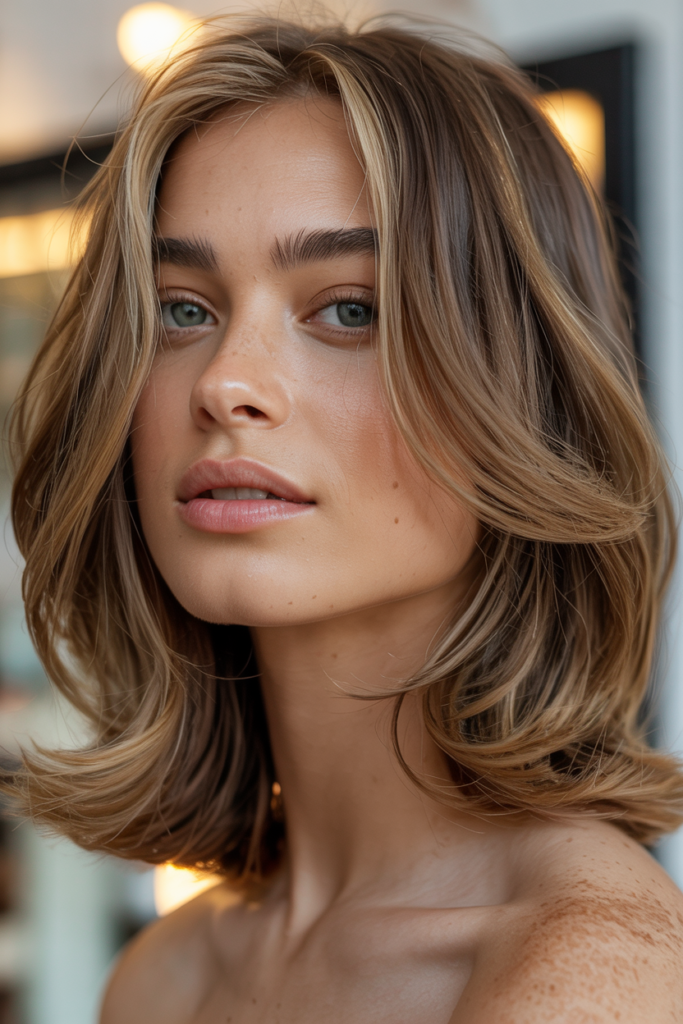
Technically a long bob, but with internal layers that make it feel longer than it is. Hits between collarbone and shoulder.
Who it suits: Heart, oval, and square faces. Why it works for thin hair: Shorter length = less gravity pulling your hair flat. Quick tip: Add a slight A-line shape (longer in front than back) for instant elegance.
5. Long Layers With Side Bangs
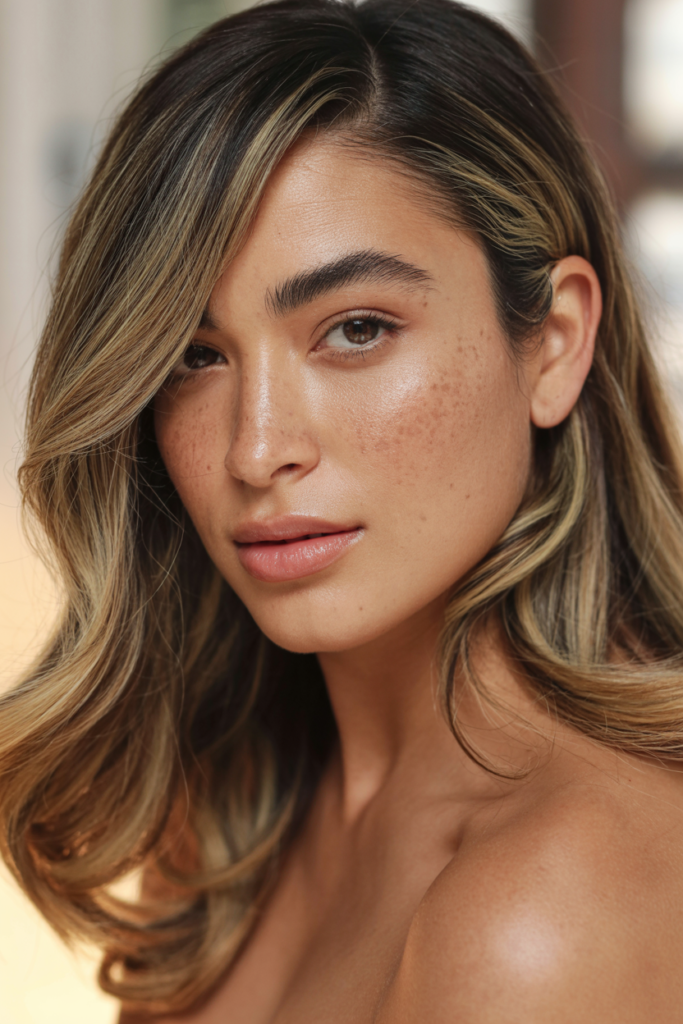
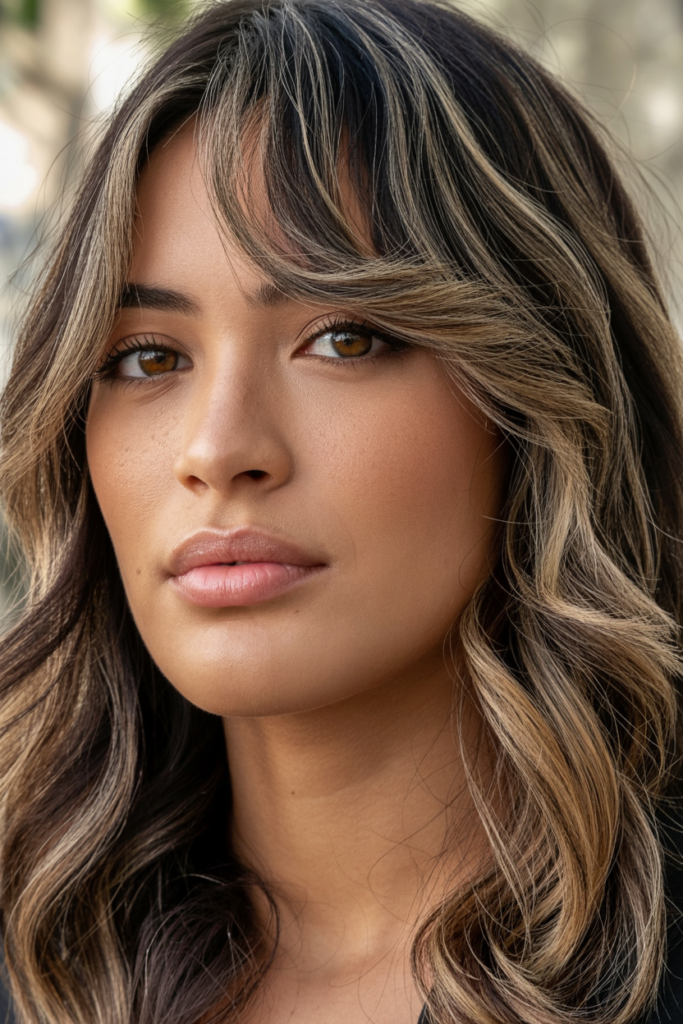
Side-swept bangs are quietly making a comeback. Paired with long layers, they add asymmetry and a flirty, ’00s-but-grown-up vibe.
Who it suits: Round and oval faces. Why it works for thin hair: Side bangs cover thin temples and add visual width up top. Quick tip: Blow-dry side bangs across the forehead, not down — it adds lift.
6. Butterfly Cut for Thin Hair
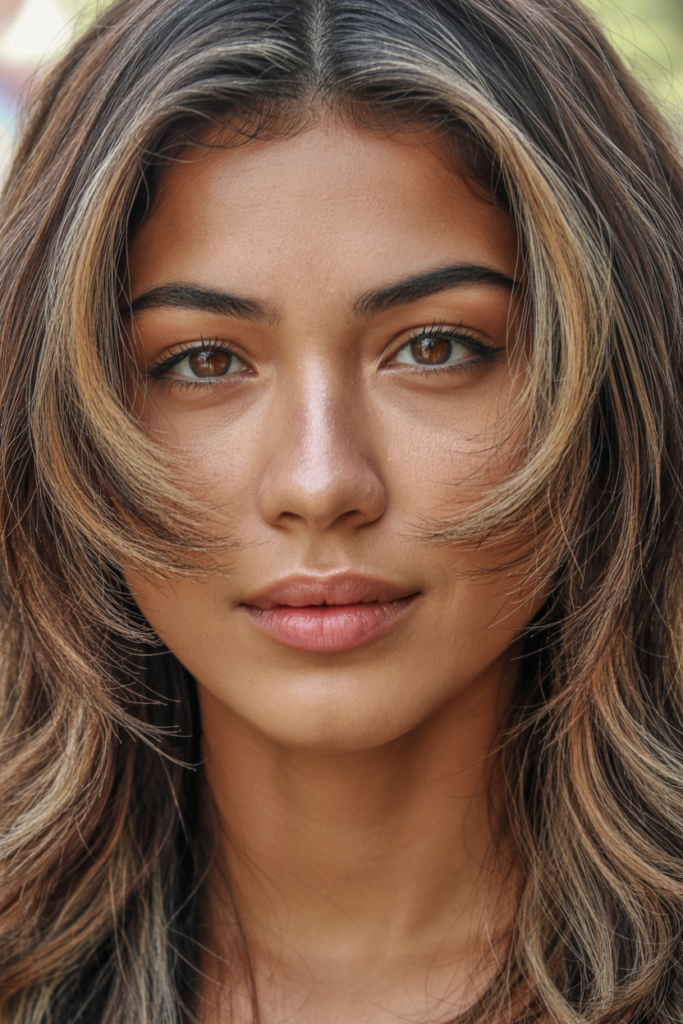
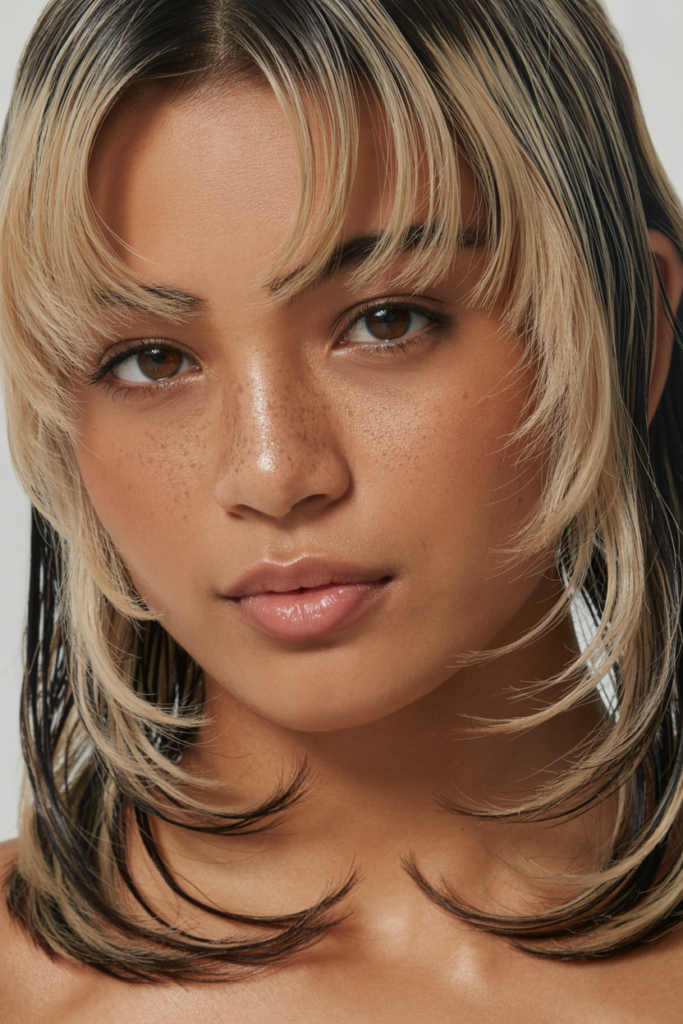
The butterfly cut is the love child of the shag and curtain layers. Two distinct layers — a shorter one that frames the face, and a longer one that hits the chest. The “wings” effect is gorgeous on thin hair.
Who it suits: Most face shapes; especially flattering on long faces. Why it works for thin hair: The shorter top layer adds visible volume up top. Quick tip: Tousle with sea salt spray for the full butterfly effect.
7. Layered Ends With Money Piece
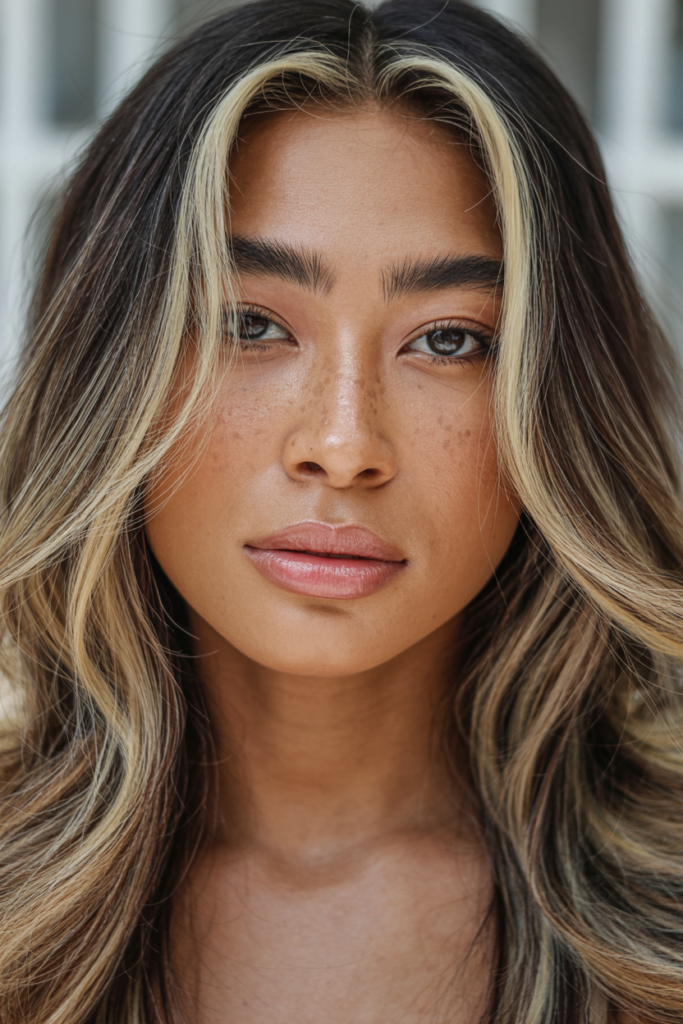
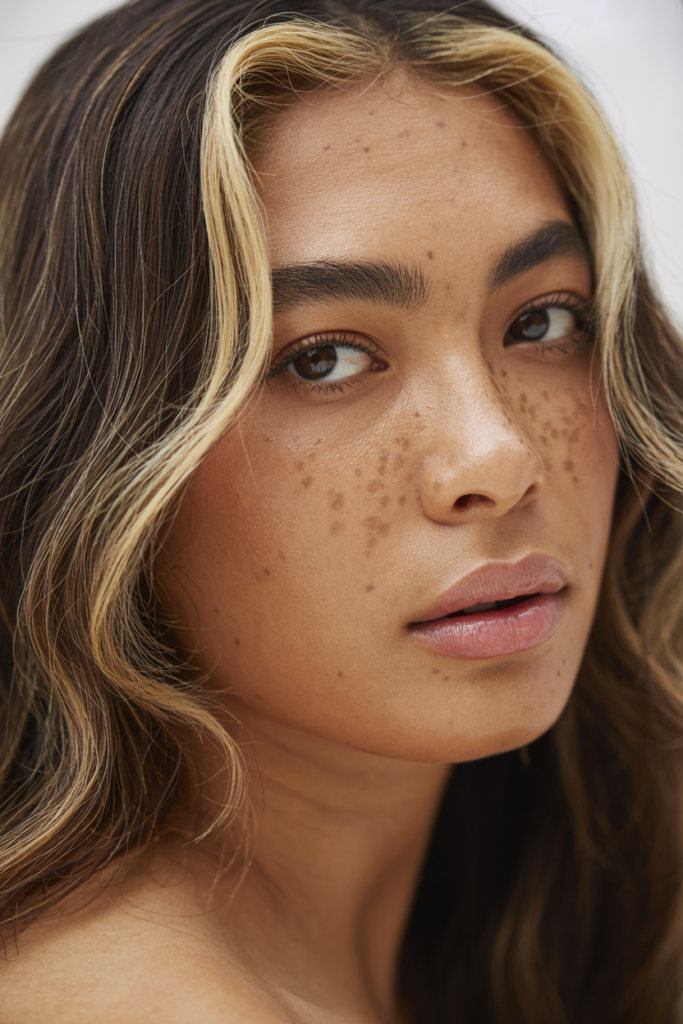
The “money piece” — those bright face-framing highlights — paired with long layers is borderline foolproof. The lightness near the face brightens your complexion and adds visual fullness even when there’s no real change in density.
Who it suits: Any face shape, any hair color (works on dark and light). Why it works for thin hair: Color contrast = perceived volume. Quick tip: Ask for the lightest pieces to start at the cheekbone, not the temple.
📌 Pin this idea: close-up of money-piece highlights, “The Money Piece Trick for Thin Hair”
8. Long Wolf Cut

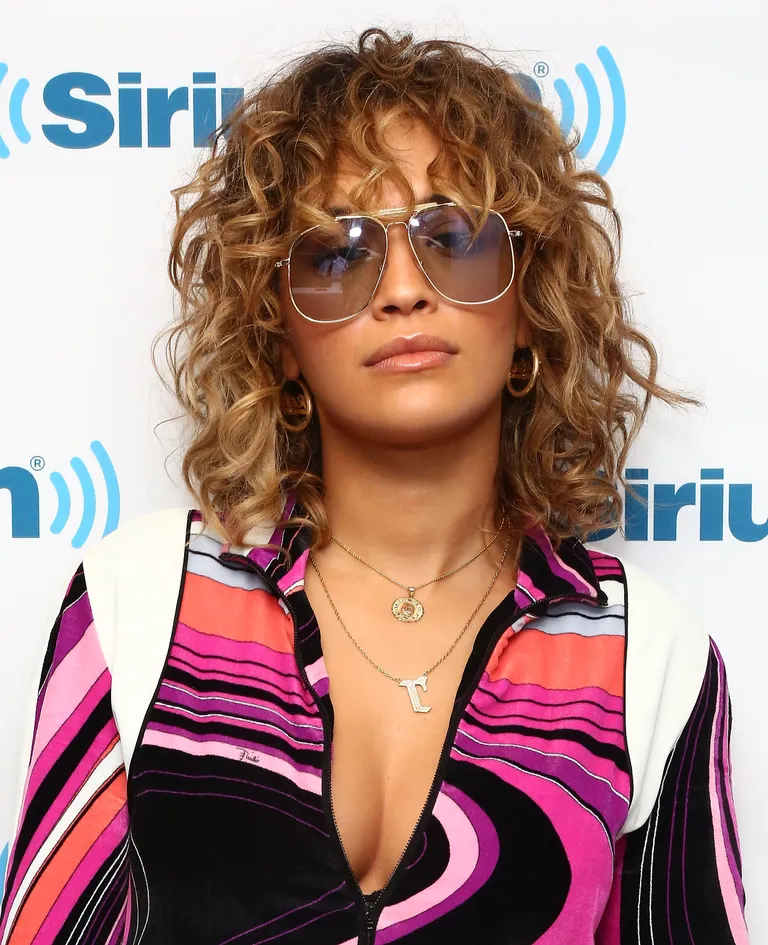
The wolf cut is a shag and a mullet had a (very chic) baby. The long version keeps it wearable — short, choppy layers up top, dramatic length at the bottom.
Who it suits: Bold girlies. Square, oval, heart faces. Why it works for thin hair: Maximum dimension from the texture difference. Quick tip: Air-dry with a curl cream — wolf cuts thrive on undone texture.
9. Feathered Long Layers
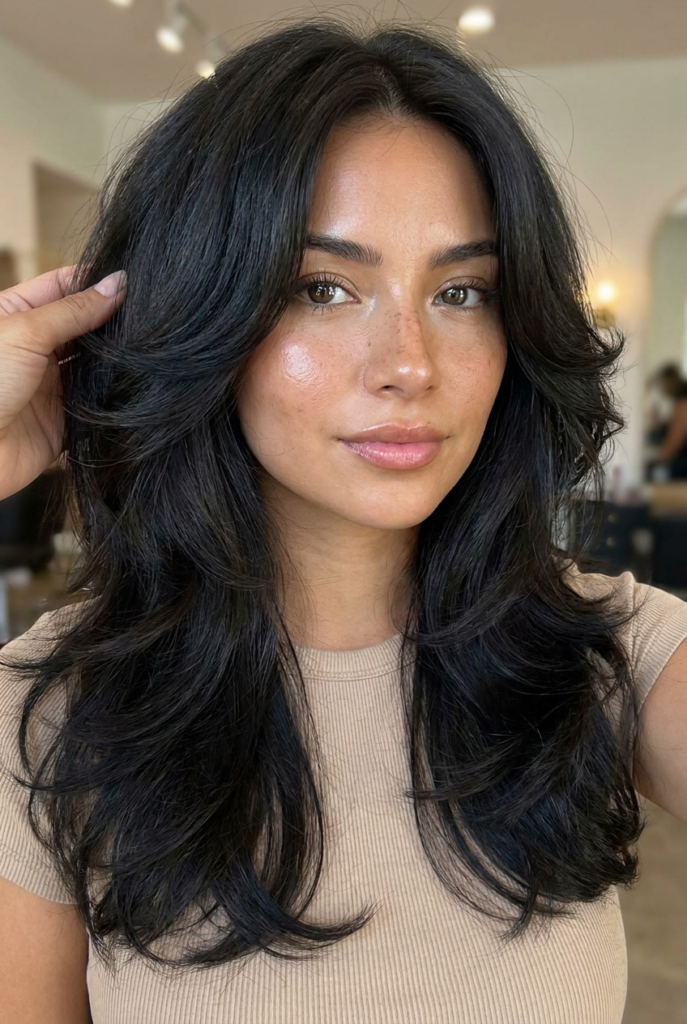
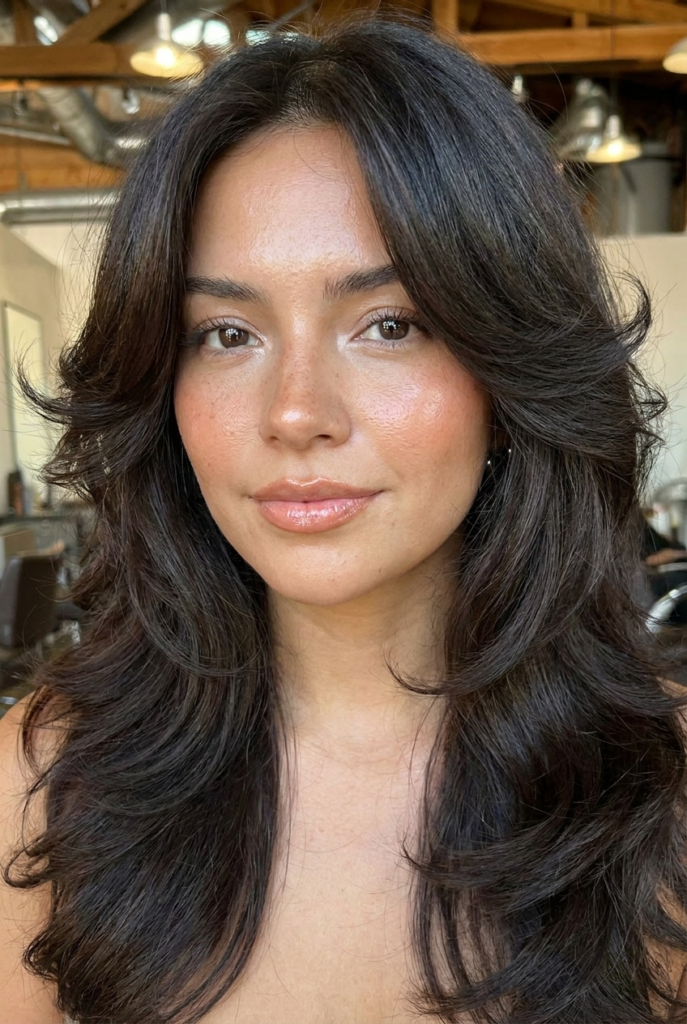
The 70s called and they want their Farrah Fawcett flicks back. Feathered layers — flicked outward, framing the face — are a thin-hair power move because they create shape where there isn’t any.
Who it suits: Most face shapes; especially heart and oval. Why it works for thin hair: The flick at the ends fakes thickness through silhouette. Quick tip: Use a round brush outward on the face-framing pieces to set the flick.
10. Beachy Long Layers
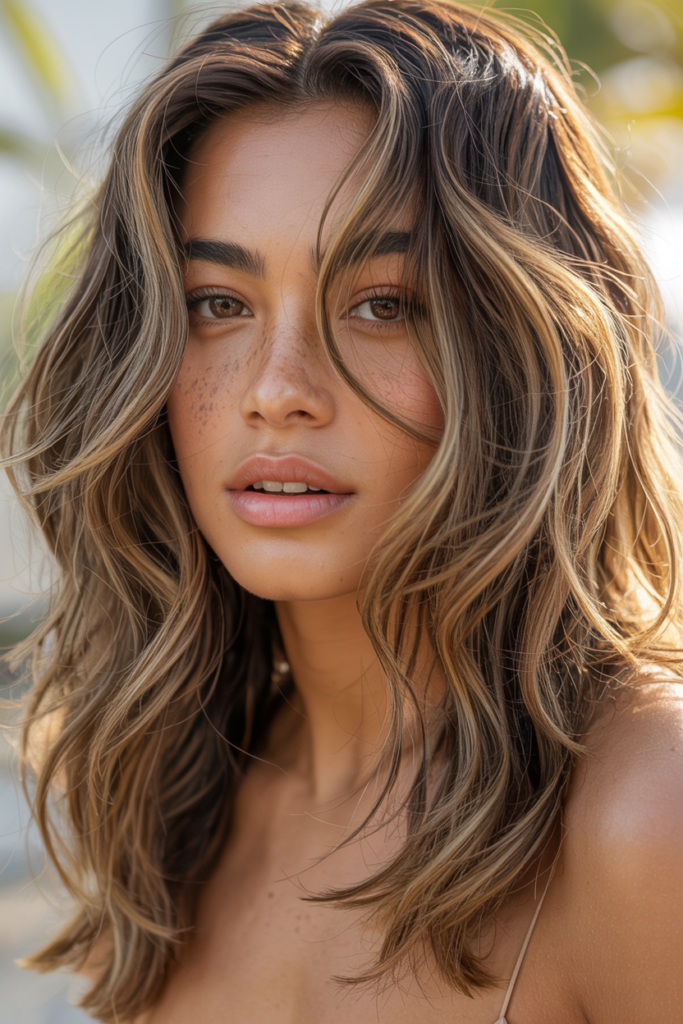
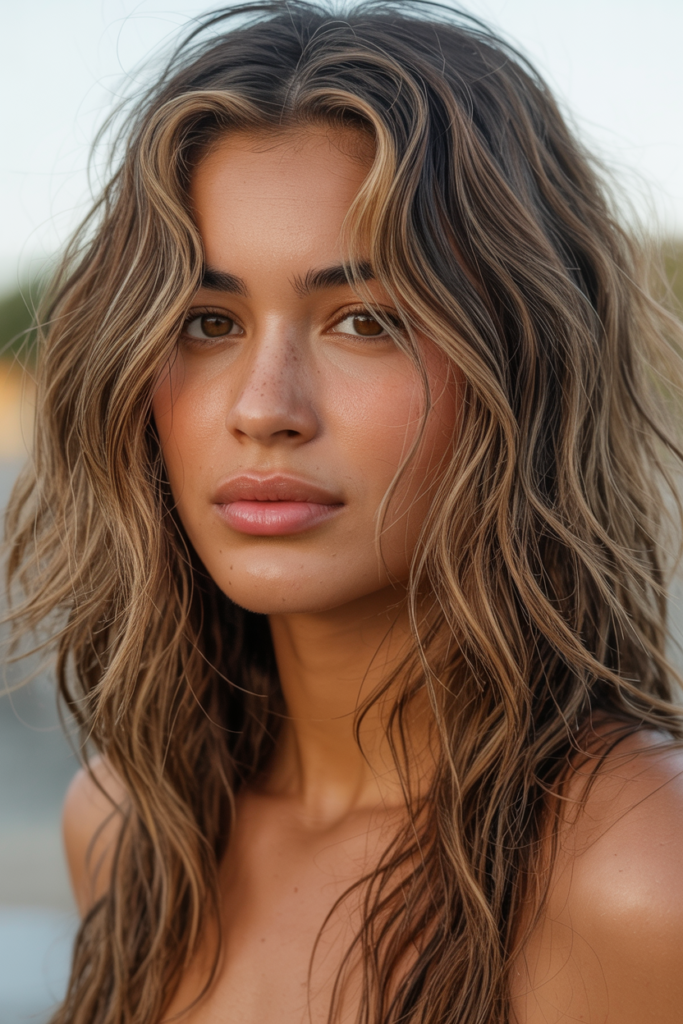
The “I just got back from Malibu” cut. Long, undone layers with built-in wave. Loose, lived-in, and impossible to mess up.
Who it suits: All face shapes; works best on naturally wavy hair. Why it works for thin hair: Waves add 30%+ visual volume instantly. Quick tip: Skip the curling iron — sea salt spray + scrunch + air dry.
11. Long Layers With Chin-Length Face Frame
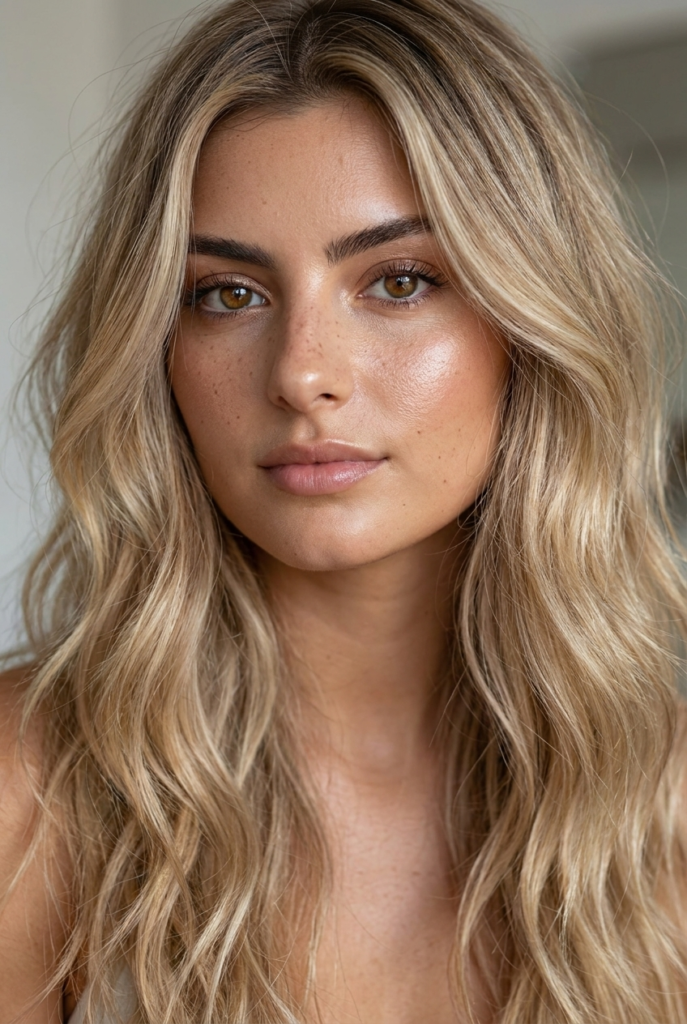
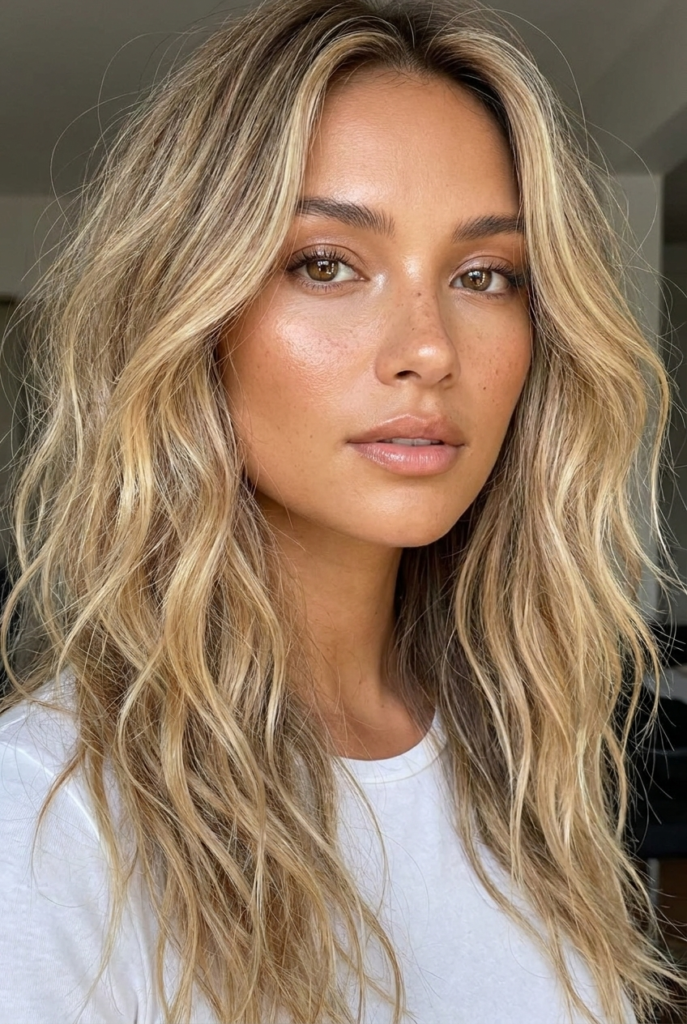
This is the version stylists quietly recommend most for thin hair. The shortest face-framing layer hits exactly at the chin, making the cheekbones pop and adding a soft frame around the jaw.
Who it suits: Round, oval, and square faces. Why it works for thin hair: Chin-length pieces draw the eye horizontally — wide reads as full. Quick tip: Tuck one side behind your ear for instant model-off-duty energy.
12. Hidden Layers (Internal Layers)
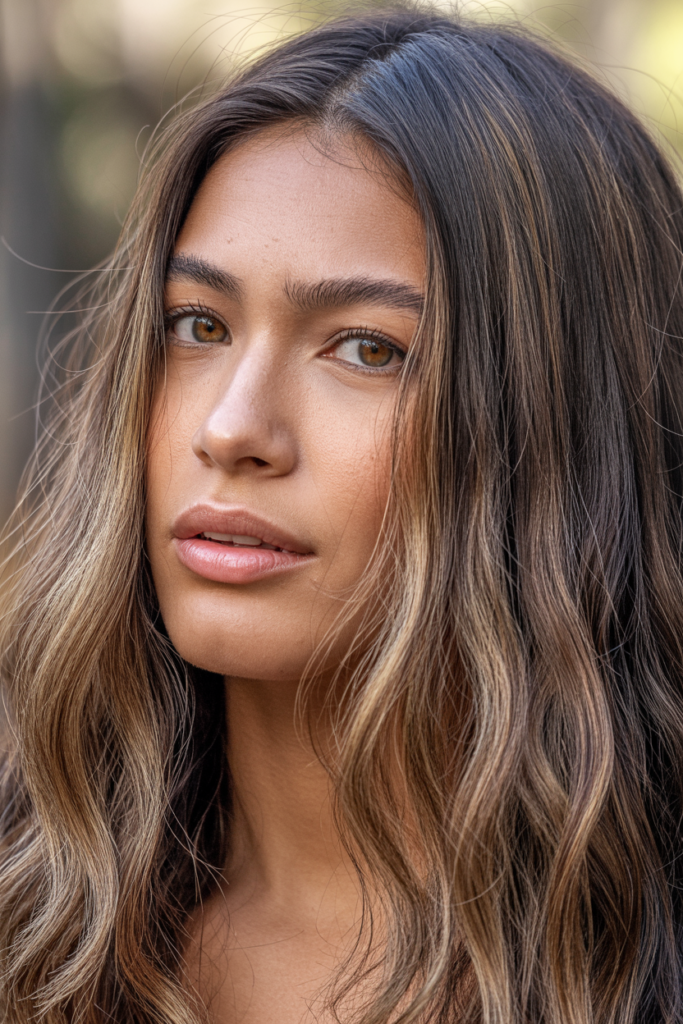
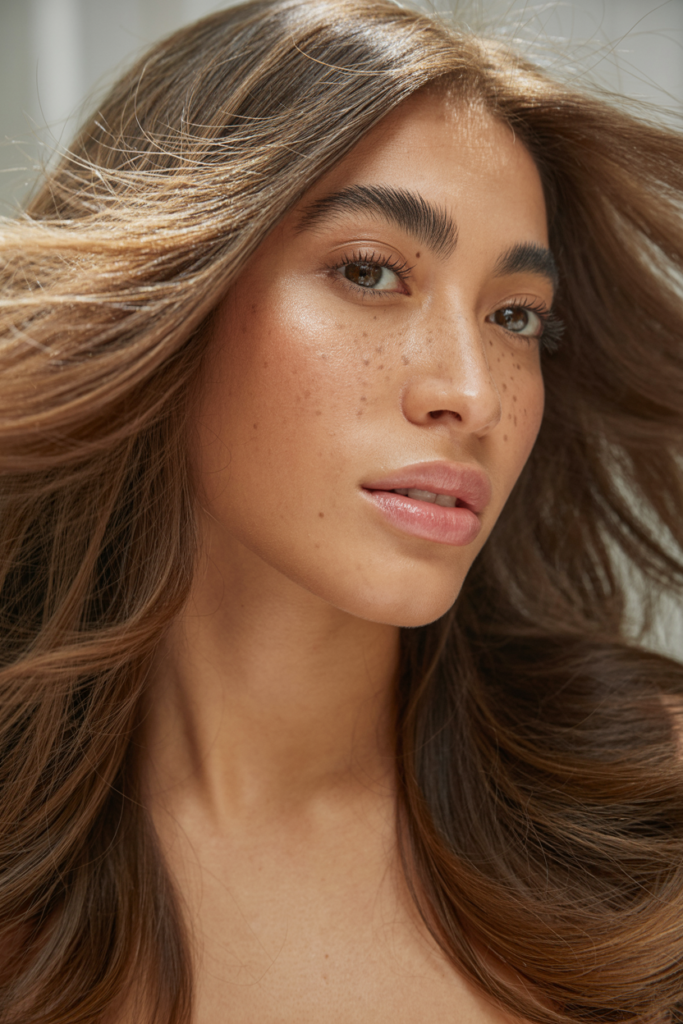
The “no haircut” haircut. From the outside, the cut looks one-length. Internally, layers have been removed to lift the hair from underneath. The effect is insane on fine hair — bouncy without losing length.
Who it suits: Anyone scared of visible layers. Why it works for thin hair: Removes weight where you can’t see it. Nothing looks shorter. Quick tip: Tell your stylist “invisible internal layers” — they’ll know exactly.
📌 Pin this idea: text overlay reading “Hidden Layers — The Haircut That Adds Volume Without Looking Cut”
13. Long Layers With Curtain Fringe
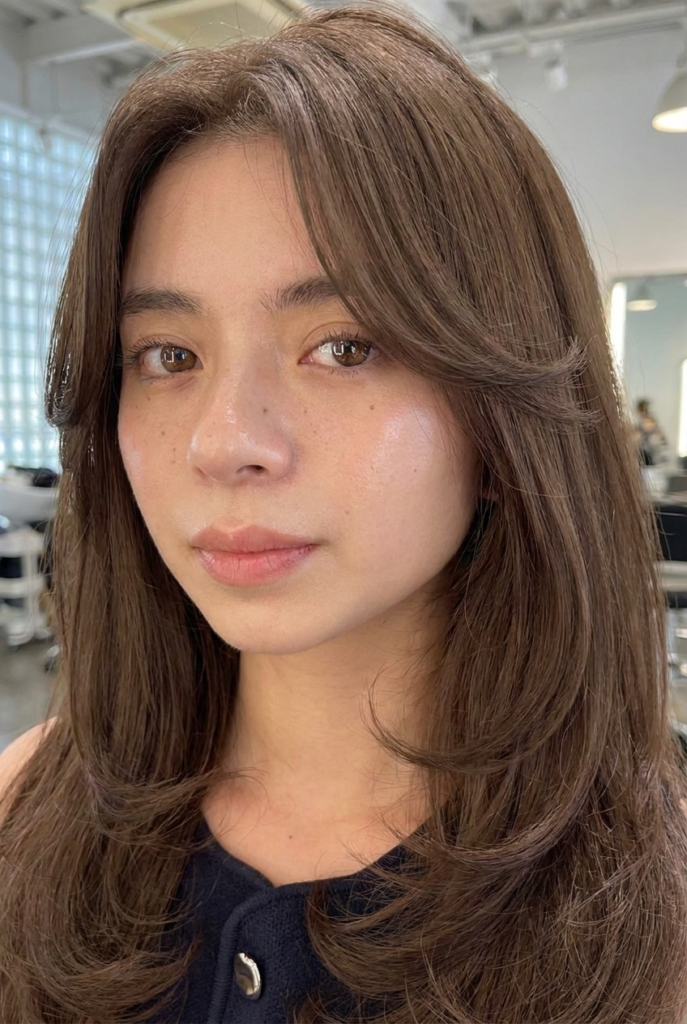
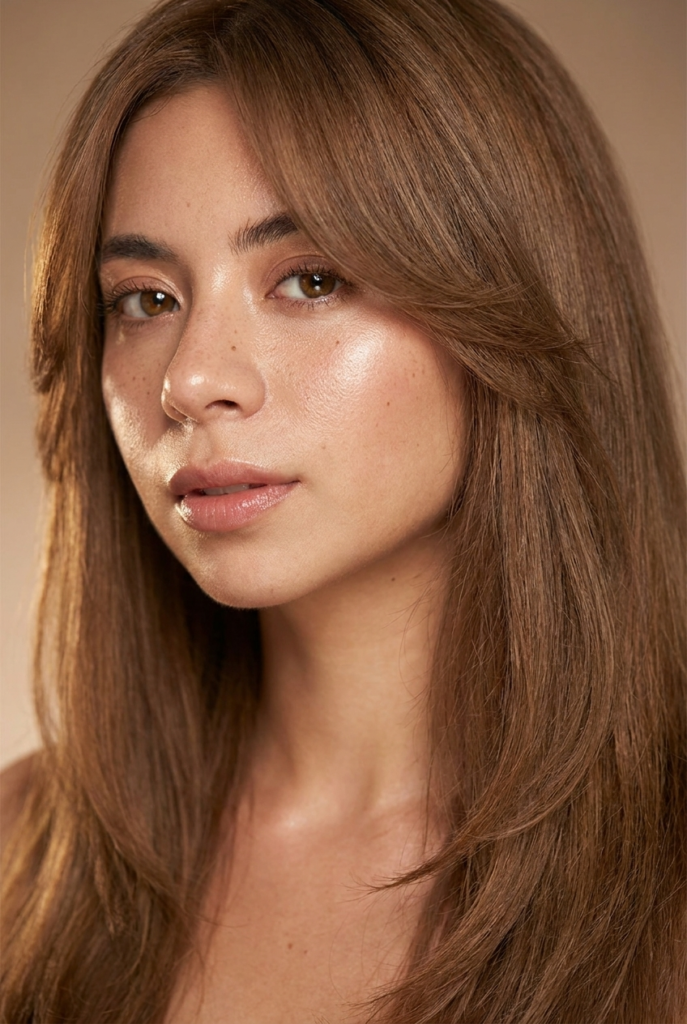
Curtain fringe is longer and softer than full curtain bangs. It blends seamlessly into the rest of your face frame — perfect for anyone scared of commitment.
Who it suits: Most face shapes; great for high foreheads. Why it works for thin hair: Soft fringe adds density at the hairline without the maintenance of true bangs. Quick tip: Curl the curtain fringe with a small flat iron, twisting as you pull through.
14. Wispy Long Layers
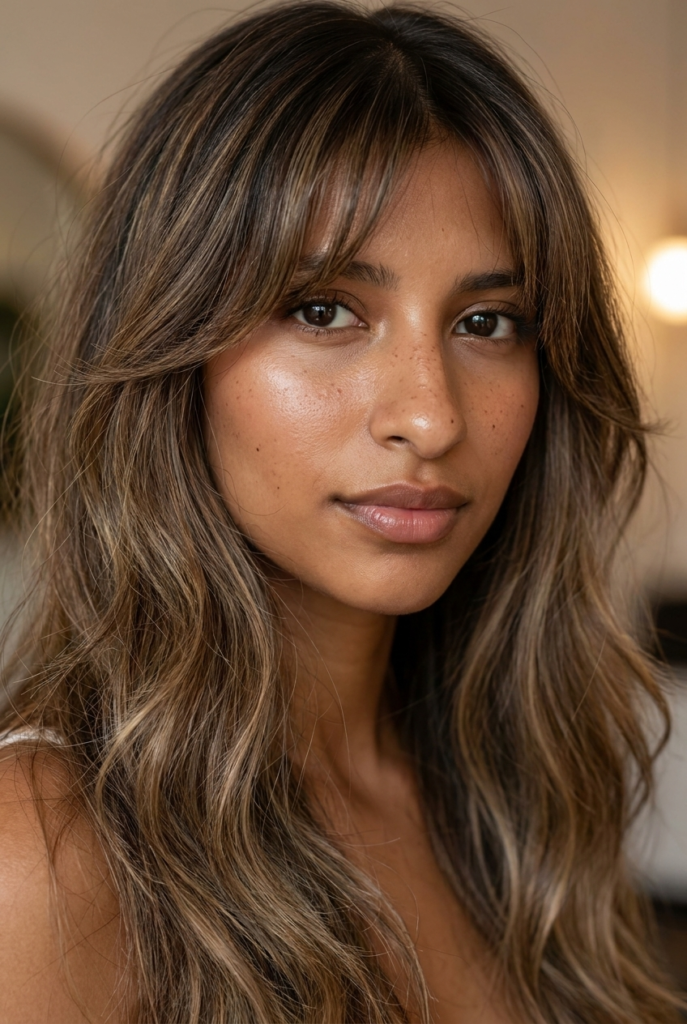
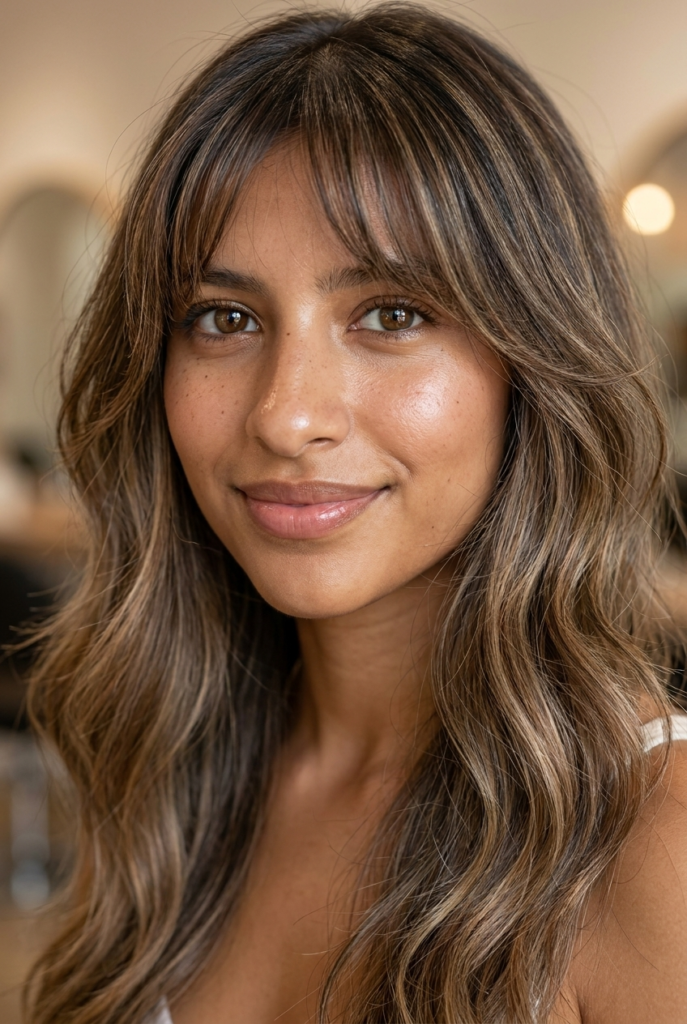
The romantic, French-girl take on layers. Wispy ends, soft face frame, no harsh lines anywhere. Looks like it grew in this way.
Who it suits: Heart, oval, and long faces. Why it works for thin hair: The softness disguises any thinness at the ends. Quick tip: Texturizing spray from mid-length down — never near the roots.
15. Long Layers With Babylights
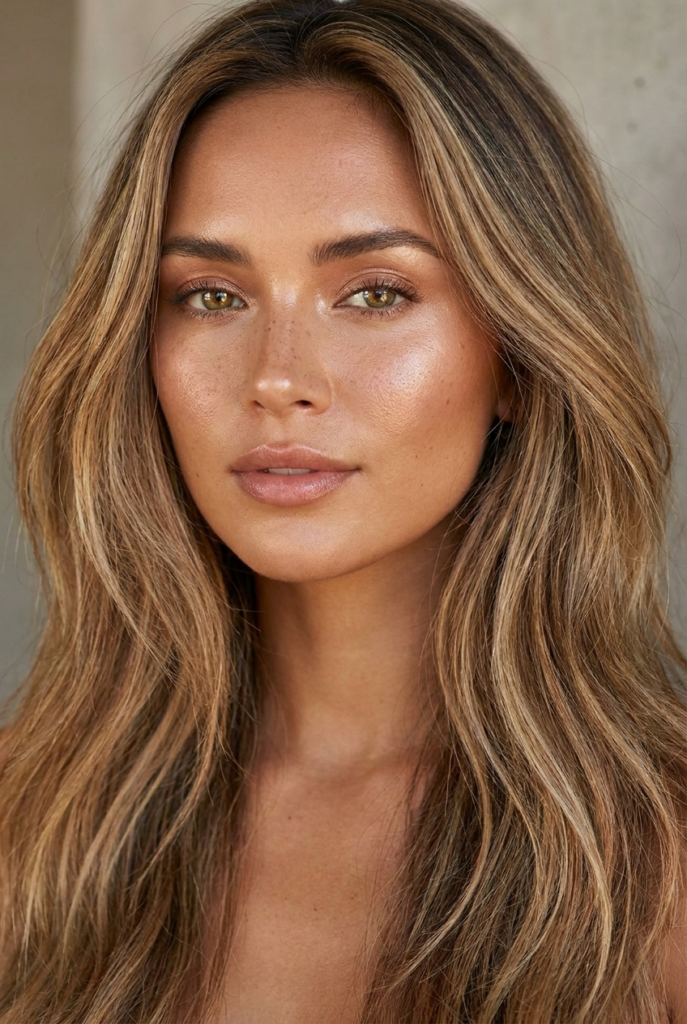
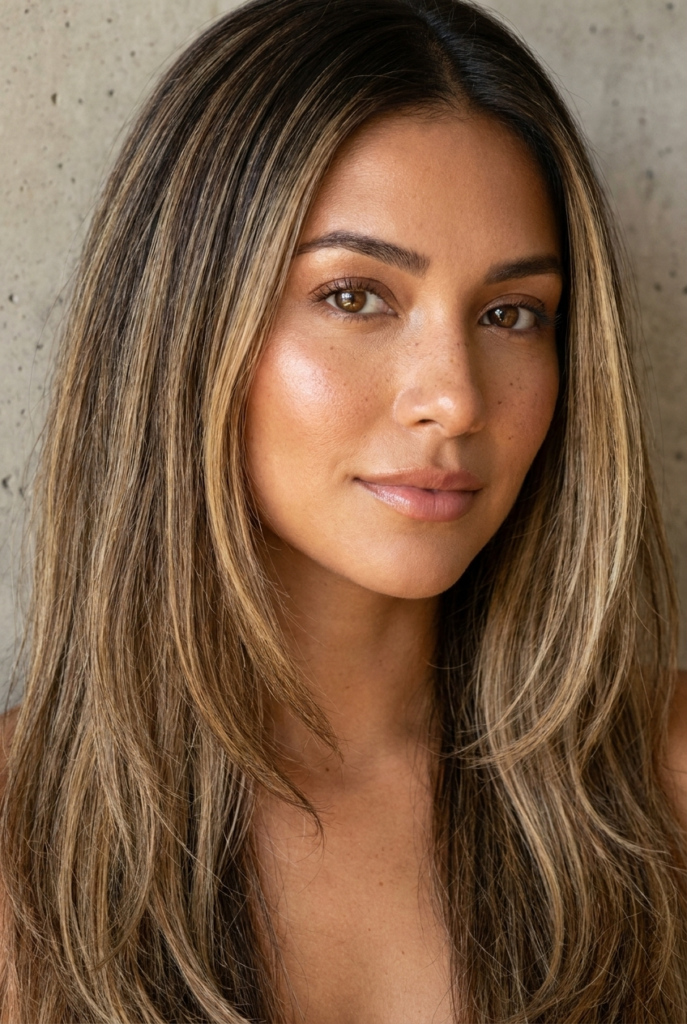
Not a cut alone — a cut + color combo that punches above its weight. Babylights (super-fine, baby-thin highlights) woven through long layers create a multi-tonal effect that reads as thicker hair.
Who it suits: Anyone with naturally medium-to-dark hair. Why it works for thin hair: Multiple tones = perceived dimension = perceived density. Quick tip: Refresh babylights every 3–4 months, not every 6 weeks.
🖼 [Image 10: Long layers with babylights, side profile]
16. Sleek Long Layers
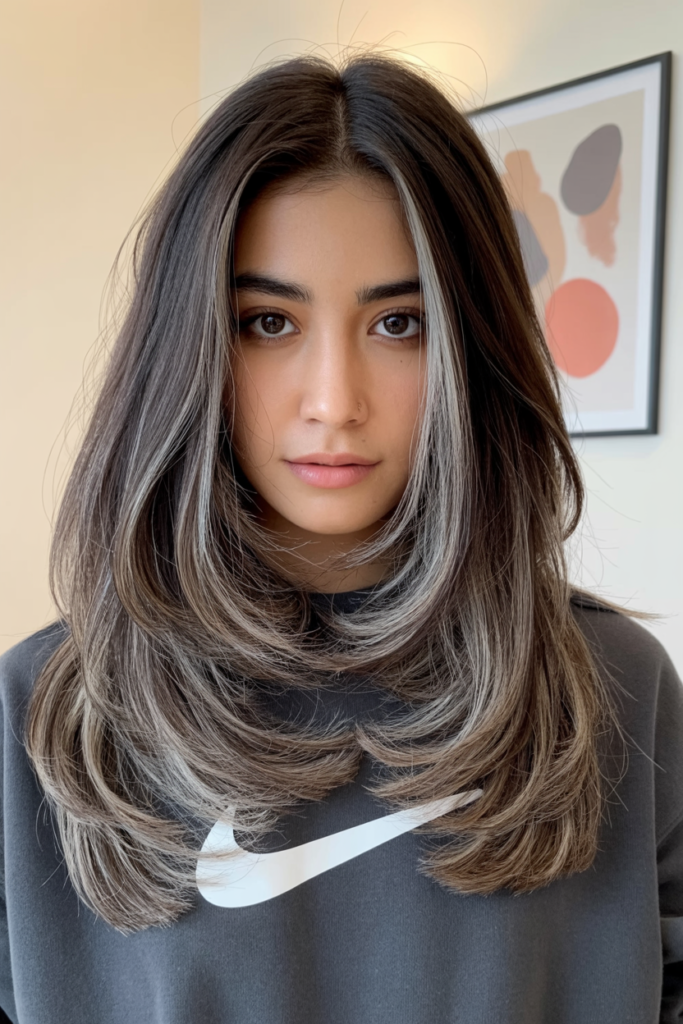
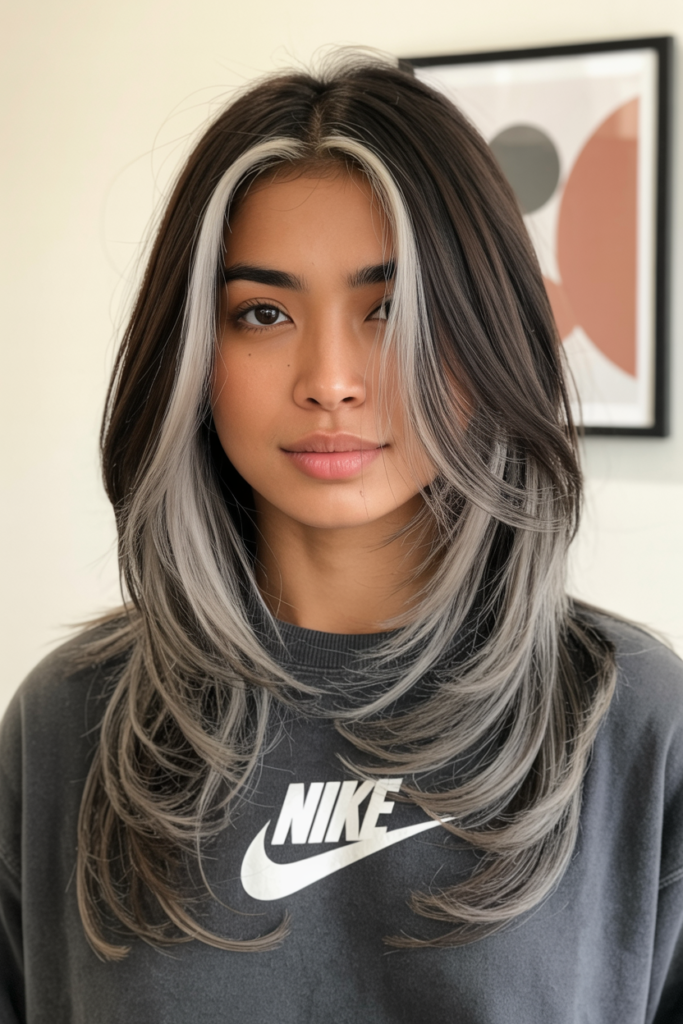
For when you want to look polished, not playful. Long layers blow-dried straight with a center part. Think: editorial, off-duty model, simple.
Who it suits: Oval, heart, and square faces. Why it works for thin hair: A glossy finish reflects light, which makes hair look thicker. Quick tip: Finish with a glossing serum on the mid-lengths and ends only.
17. Long Layered Cut With Curl
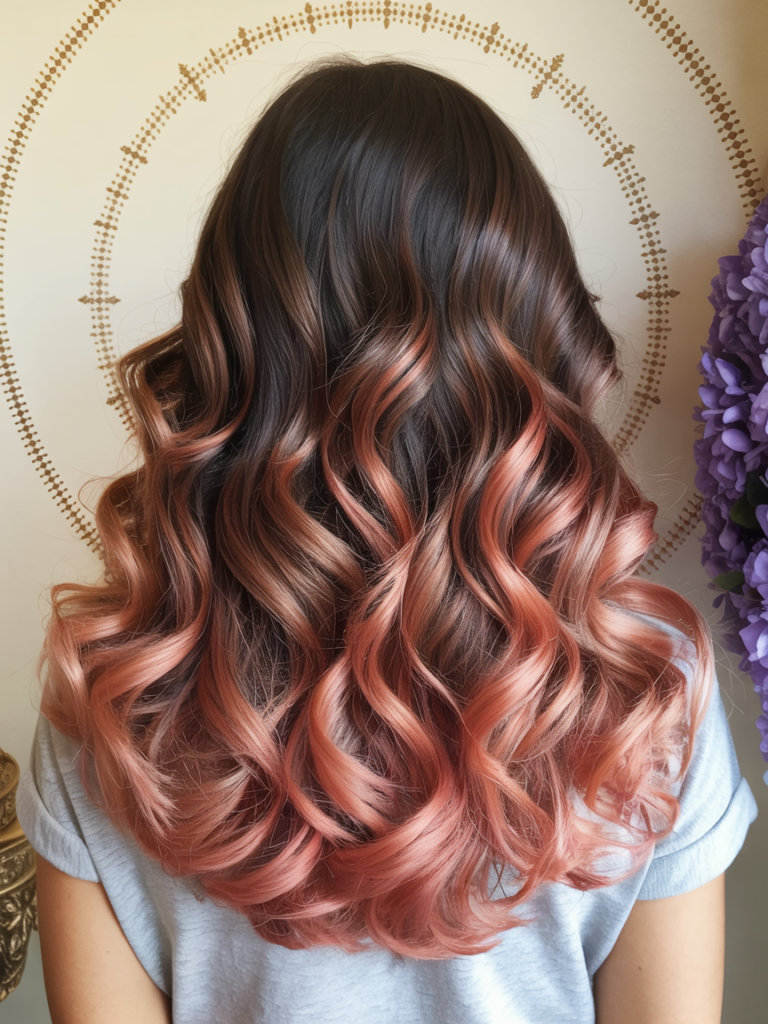
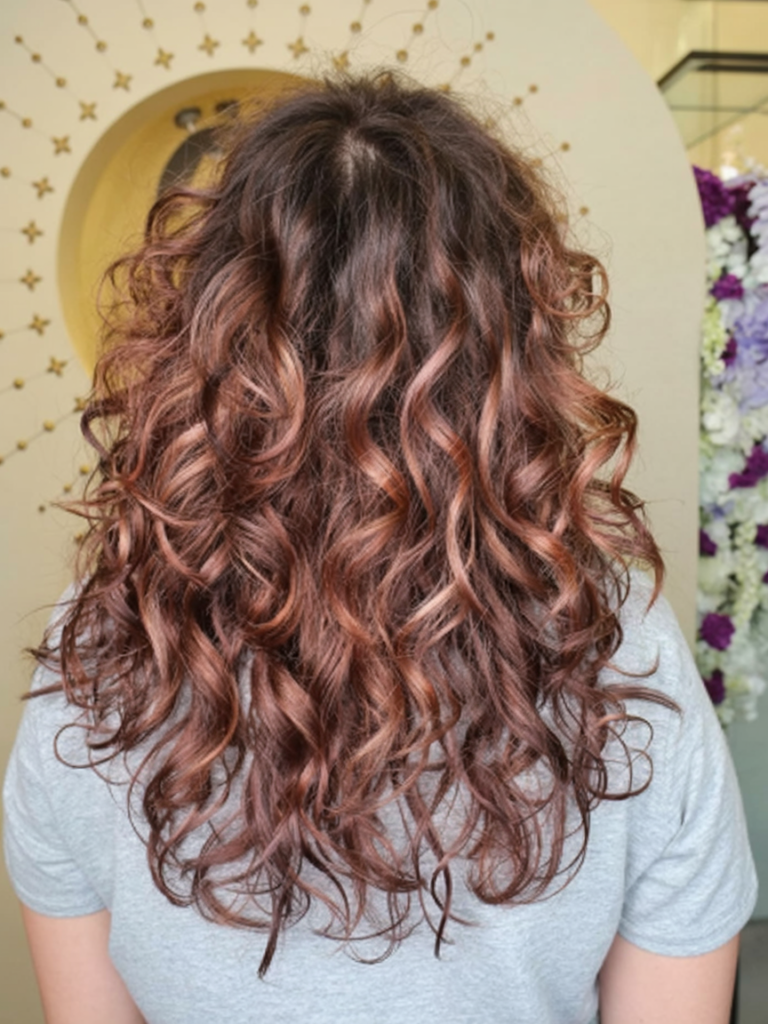
Long layers + a soft curl set is the ultimate volume cheat code for thin hair. The layers separate the curls so they don’t clump into stringy sections.
Who it suits: All face shapes. Why it works for thin hair: Curls expand visual volume by 50%+. Layers prevent the dreaded “limp curl.” Quick tip: Curl in alternating directions — toward face, away from face — for a natural finish.
18. Half-Up Half-Down Layered Look
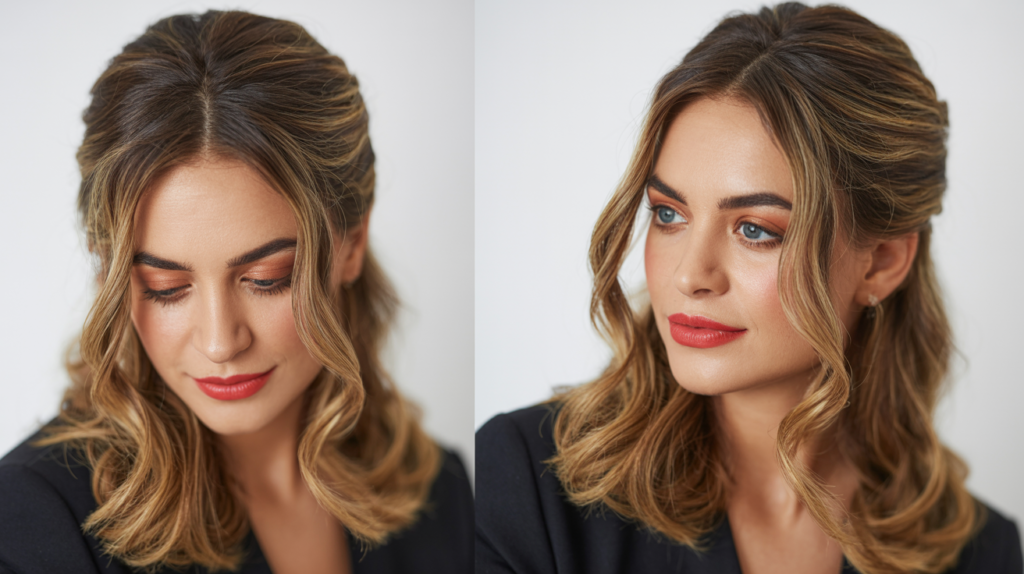
Not a cut — a styling technique that makes long layers look intentional when you don’t know what to do with them. Pull the top half back, leave the layers framing your face.
Who it suits: Everyone. Why it works for thin hair: Volume up top + flowing layers below = best of both worlds. Quick tip: Tease the half-up section before clipping for that “casual but lifted” look.
🖼 [Image 11: Half-up, half-down style with visible long layers]
📌 Pin this idea: tutorial-style pin “How to Style Long Layers Half-Up”
19. Long Layers + Balayage
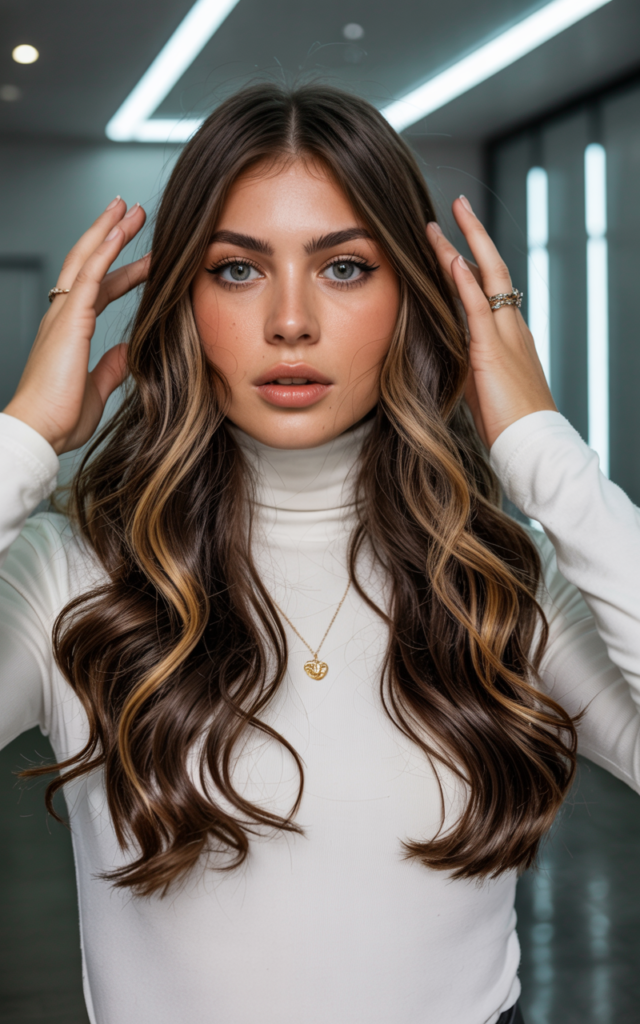
Balayage on layers is the most-saved hair combo on Pinterest for a reason. The hand-painted highlights follow the layered shape, making every piece of hair visible and dimensional.
Who it suits: Anyone wanting low-maintenance color. Why it works for thin hair: Painted highlights = built-in dimension = built-in fullness. Quick tip: Ask for balayage focused on the layered ends, not the whole length.
20. Subtle Long Layers (The “No Haircut” Haircut)
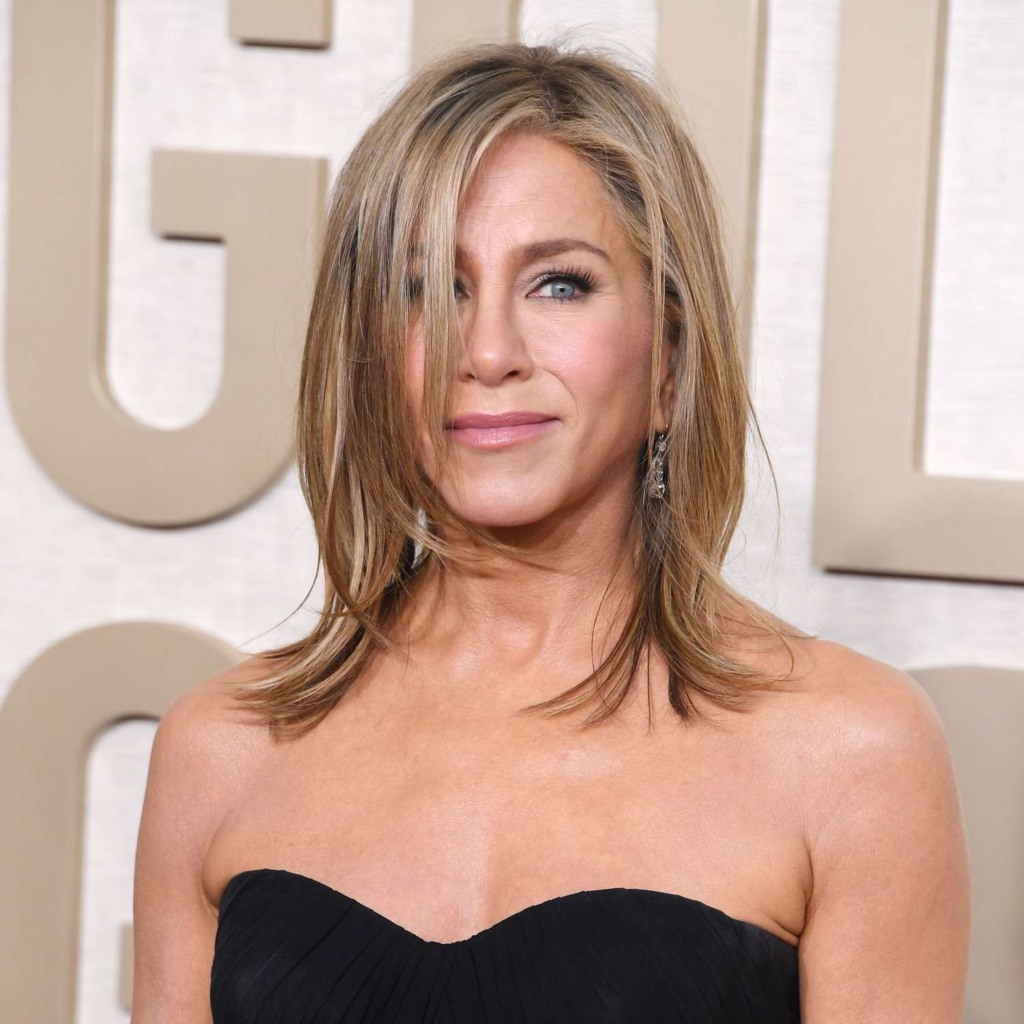
Layers so soft, your friends will think you “just had a trim.” Perfect for anyone who’s been burned by an overly enthusiastic stylist before.
Who it suits: Conservative cuts; oval, square, heart faces. Why it works for thin hair: Adds just enough movement without committing to anything dramatic. Quick tip: Bring a photo with the caption “subtle face-framing layers, nothing dramatic.”
21. Long Layers With Arched Bangs
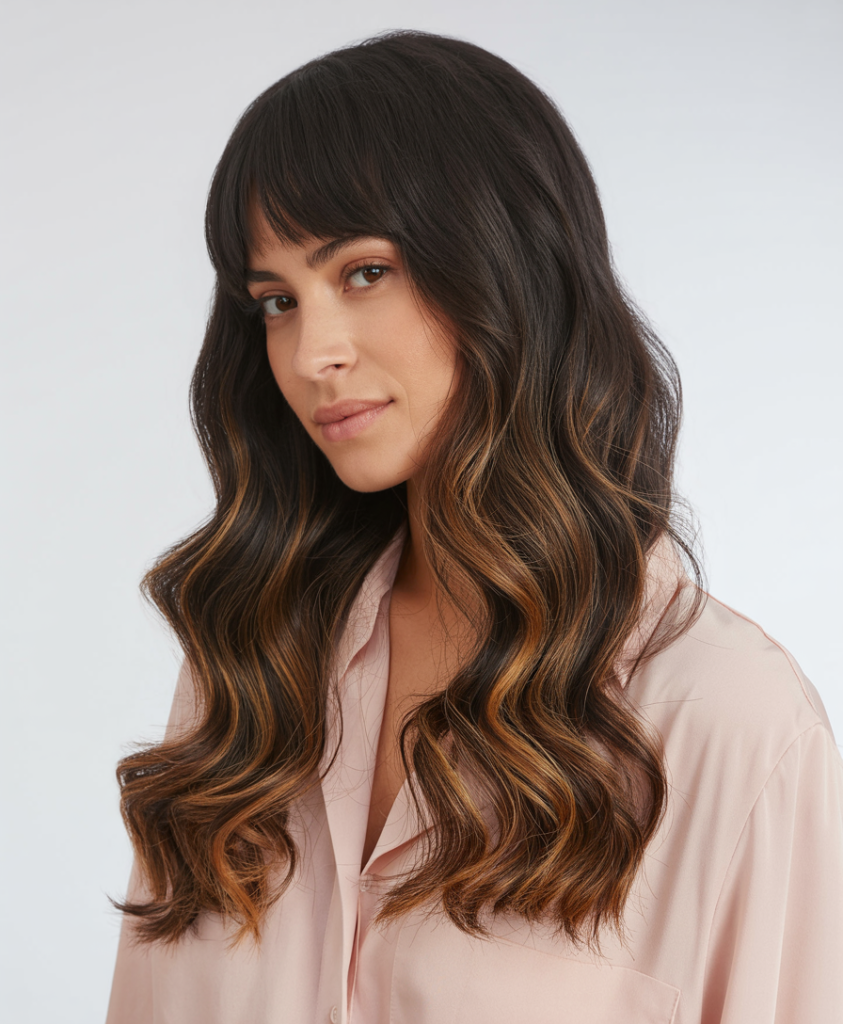
A 2026 sleeper trend. Arched bangs (slightly longer at the temples, shorter in the middle) paired with long layers = a high-fashion finish that’s still wearable.
Who it suits: Square, heart, and oval faces. Why it works for thin hair: The arched shape lifts the entire silhouette. Quick tip: Have your stylist trim the arch dry, not wet — it shrinks differently.
22. 70s-Inspired Feathered Layers
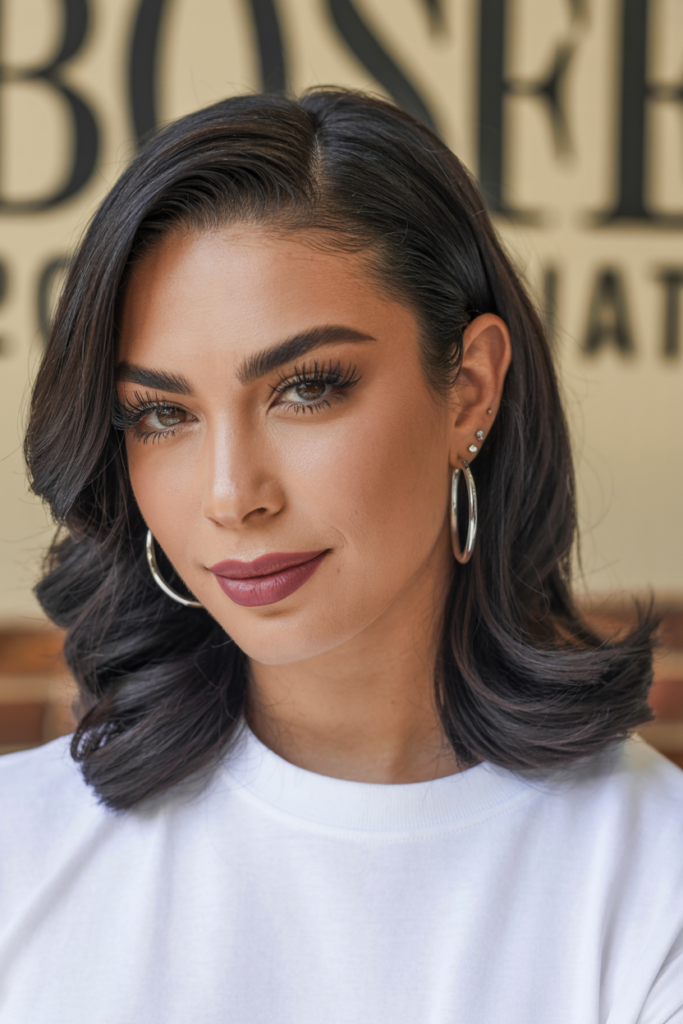
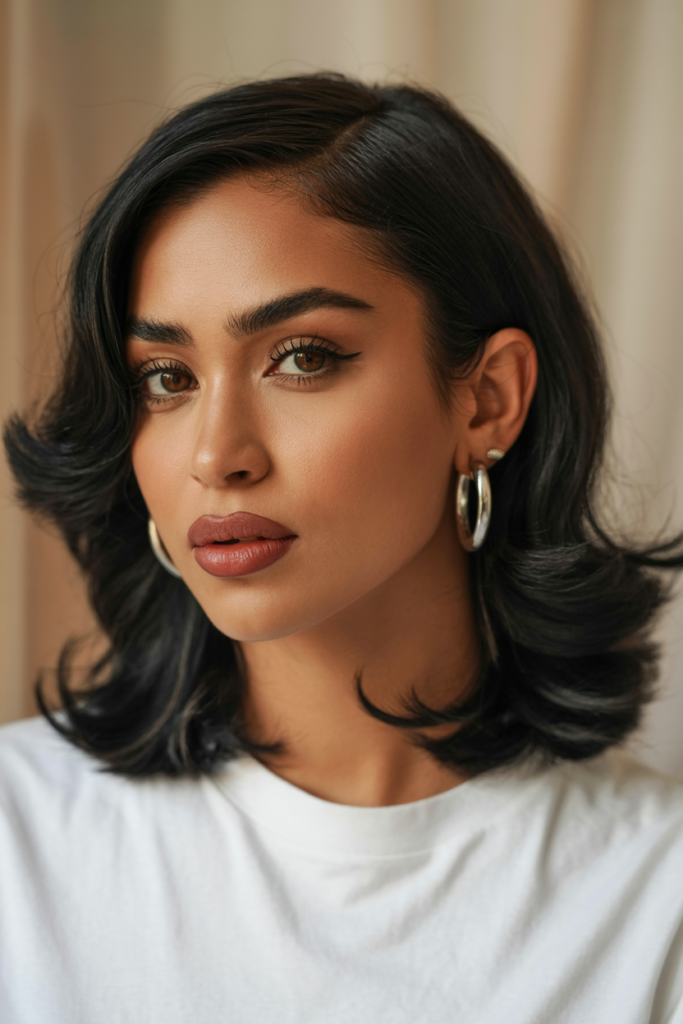
The Farrah Fawcett, but Gen Z. Long, feathered, voluminous layers that flick away from the face. Romantic, retro, and surprisingly low-maintenance once cut properly.
Who it suits: Oval, heart, and long faces. Why it works for thin hair: The flicked-out shape creates the illusion of much more hair. Quick tip: A round brush blowout is non-negotiable for this one.
23. Long Razored Layers (With a Caution)
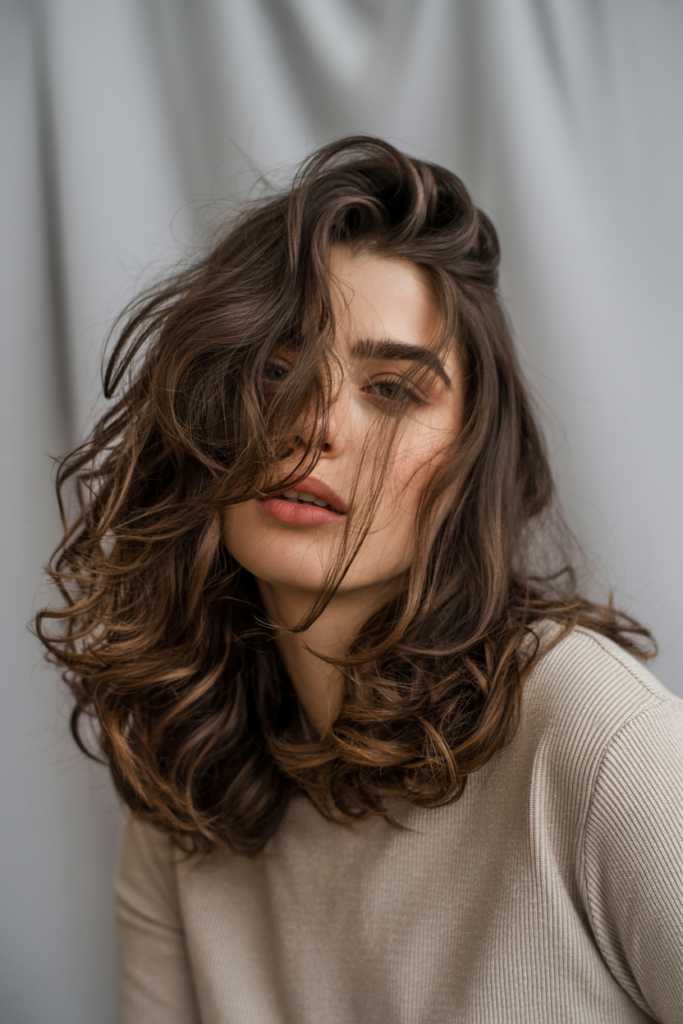
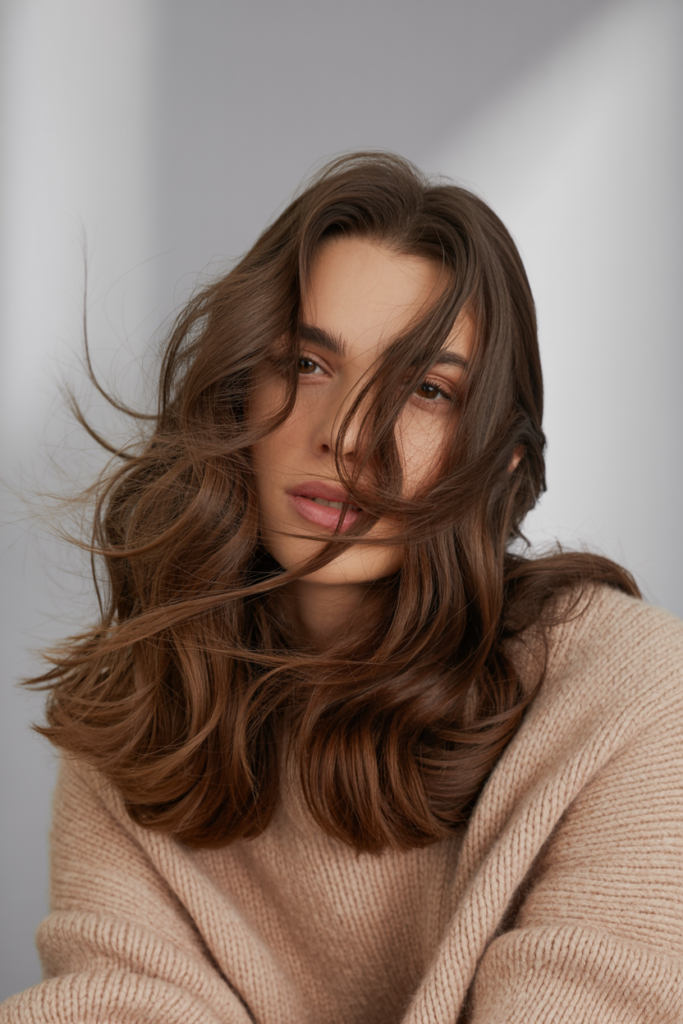
The only razored cut on this list — and only with a caveat. If your hair is thin but not fine, razored layers can add gorgeous, piecey texture. If your hair is thin and fine, skip this one entirely.
Who it suits: Thin-but-medium-textured hair, square and oval faces. Why it works for thin hair: Adds piecey, modern texture — if hair can handle it. Quick tip: Pin this as a “maybe” — only commit if your stylist confirms your texture is suitable.
How to Style Long Layers at Home
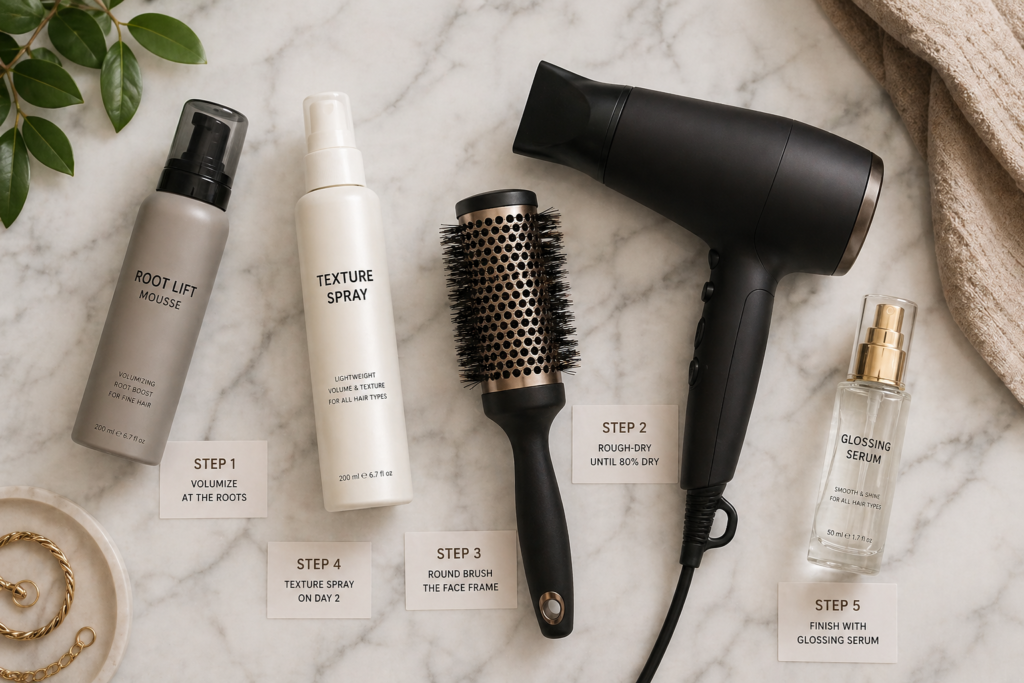
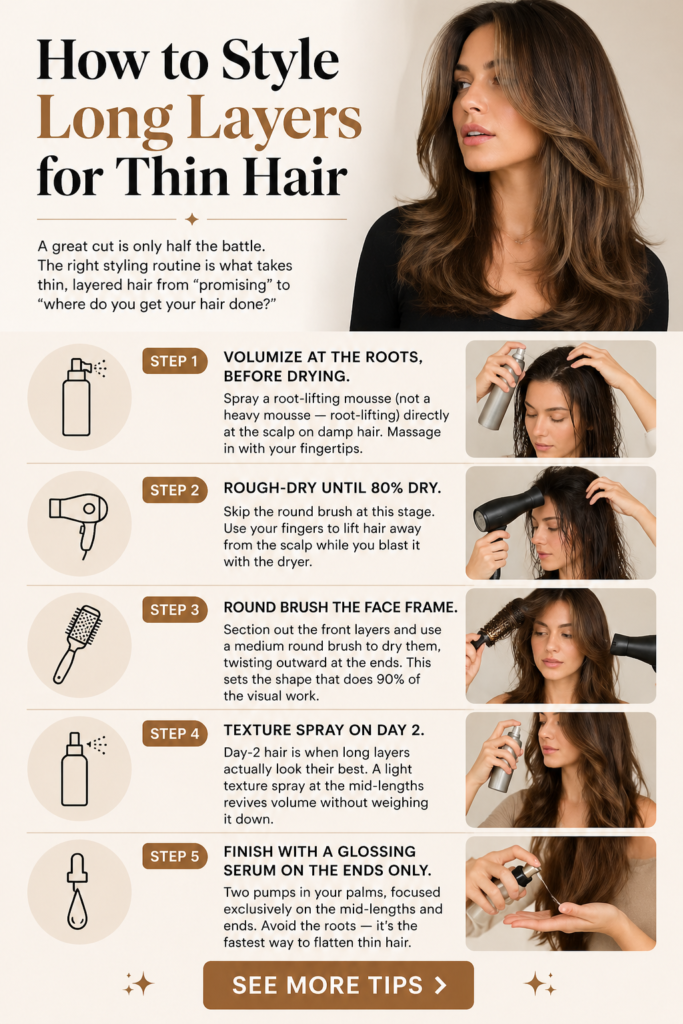
A great cut is only half the battle. The right styling routine is what takes thin, layered hair from “promising” to “where do you get your hair done?”
Step 1: Volumize at the roots, before drying. Spray a root-lifting mousse (not a heavy mousse — root-lifting) directly at the scalp on damp hair. Massage in with your fingertips.
Step 2: Rough-dry until 80% dry. Skip the round brush at this stage. Use your fingers to lift hair away from the scalp while you blast it with the dryer.
Step 3: Round brush the face frame. Section out the front layers and use a medium round brush to dry them, twisting outward at the ends. This sets the shape that does 90% of the visual work.
Step 4: Texture spray on day 2. Day-2 hair is when long layers actually look their best. A light texture spray at the mid-lengths revives volume without weighing it down.
Step 5: Finish with a glossing serum on the ends only. Two pumps in your palms, focused exclusively on the mid-lengths and ends. Avoid the roots — it’s the fastest way to flatten thin hair.
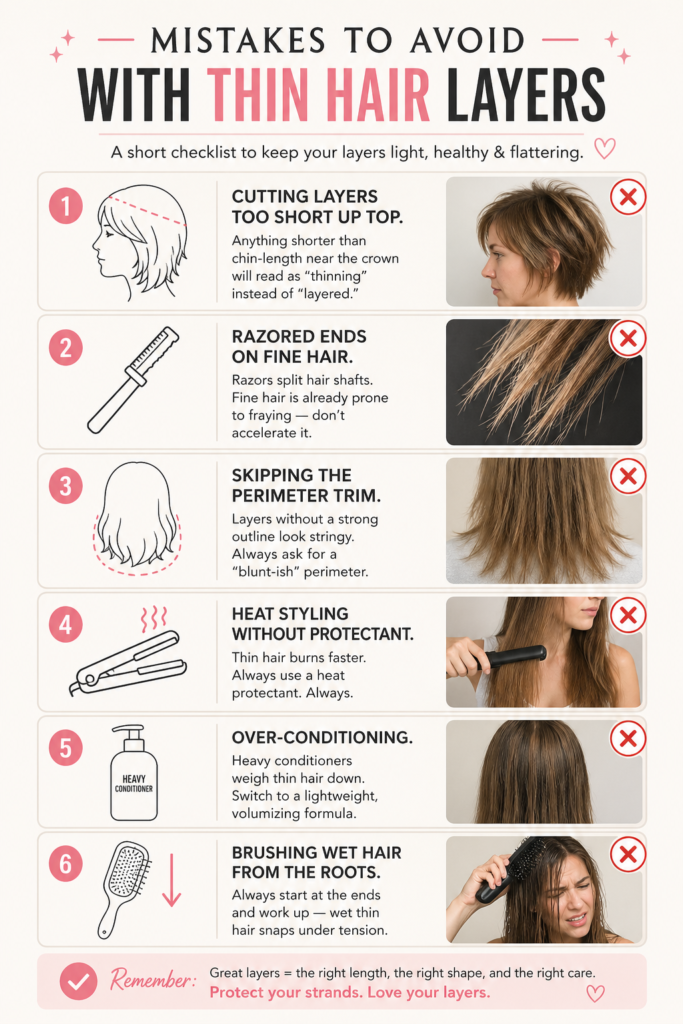
Mistakes to Avoid With Thin Hair Layers
A short list of things that turn a great cut into a disappointing one:
- Cutting layers too short up top. Anything shorter than chin-length near the crown will read as “thinning” instead of “layered.”
- Razored ends on fine hair. Razors split hair shafts. Fine hair is already prone to fraying — don’t accelerate it.
- Skipping the perimeter trim. Layers without a strong outline look stringy. Always ask for a “blunt-ish” perimeter.
- Heat styling without protectant. Thin hair burns faster. Always use a heat protectant. Always.
- Over-conditioning. Heavy conditioners weigh thin hair down. Switch to a lightweight, volumizing formula.
- Brushing wet hair from the roots. Always start at the ends and work up — wet thin hair snaps under tension.
Best Products for Thin, Layered Hair
You don’t need a 12-step routine. You need 4 products that actually work.
1. A volumizing mousse. Look for “root lift” specifically — generic volumizing mousse can weigh hair down. Apply only to the scalp area on damp hair.
2. A lightweight texture spray. This is your daily best friend. Used at the mid-lengths, it adds grip and visible body without crunch.
3. A glossing oil or serum. Just for the ends. It seals the cuticle, adds shine, and makes the whole cut look more expensive.
4. A heat protectant spray. Non-negotiable. Thin hair is vulnerable, and prevention is cheaper than corrective conditioning treatments later.
For more on building a thin-hair-friendly routine, Byrdie’s hair density guide breaks down ingredients to seek out and avoid.
FAQs
Will layers make thin hair look thinner?
Done wrong, yes. Done right, no — they make it look fuller. The key is keeping layers long (chin-length minimum), avoiding razor cuts on fine hair, and maintaining a strong perimeter. If your stylist starts cutting layers up near the crown, speak up.
How often should I trim long layers?
Every 8–12 weeks. Long layers grow out gracefully, but the face-framing pieces lose their shape fastest. A quick trim of just the front pieces every 6 weeks (a “dusting”) keeps the cut looking fresh between full appointments.
Can I get layers if my hair is really fine and thin?
Yes — but be specific. Ask for “long, soft, point-cut layers starting at the chin or below” and make it clear you want to keep maximum density at the perimeter. Skip the razor entirely. Internal/hidden layers are a great option for very fine hair.
What’s the difference between thin and fine hair?
Thin refers to the number of hair strands (low density). Fine refers to the diameter of each strand. You can have thin hair that’s coarse, or fine hair that’s thick. Most layered-hair advice assumes both — if you have one but not the other, the rules shift slightly.
Will curtain bangs work if I have a cowlick?
Usually yes, with caveats. A skilled stylist can cut around a cowlick. For severe cowlicks, side-swept bangs or a curtain fringe (longer, softer version of curtain bangs) tends to behave better.
Conclusion
Thin hair isn’t a flaw to apologize for — it’s a texture to style for. The right long layered cut works with what you’ve got, creating movement, dimension, and the kind of fullness that doesn’t need extensions or three rounds of teasing to achieve.
Pick two or three styles from this list, screenshot them, and bring them to your next appointment. Better yet — pin this whole post so you’ve got the stylist cheat sheet, the styling routine, and the mistakes to avoid all in one place.


![4 Best Locking Gel for Dreads [Ultimate Guide]](https://magicalassam.com/review/wp-content/uploads/2022/06/Best-Locking-Gel-for-Dreads.jpg)