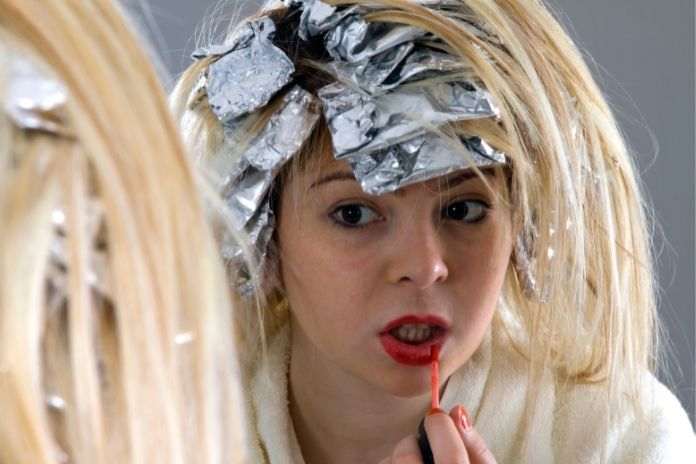
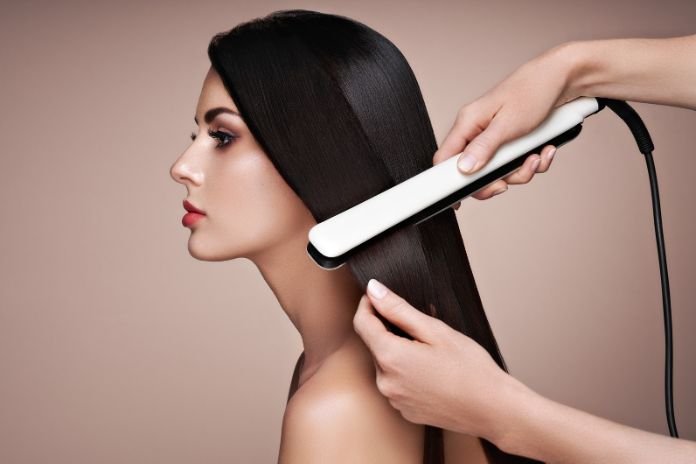
Colored hair and heat styling can absolutely coexist — but colored hair needs a different approach than untreated hair. Use the wrong temperature or skip the right products and you’ll end up with faded color, extra dryness, or worse, breakage.
Here’s exactly what changes when you straighten colored hair, and how to do it without wrecking your color.
Why Colored Hair Reacts Differently to Heat
When hair is colored, the process involves opening the hair cuticle to let dye penetrate the shaft. That chemical process leaves the hair in a different state than it was before:
The cuticle is more vulnerable. Coloring raises and can partially damage the cuticle — the outer protective layer of each strand. A raised cuticle is less able to protect the hair underneath from heat.
Moisture levels drop. Color treatments strip natural oils from the hair, leaving it drier than before. Dry hair conducts heat differently and is more prone to damage from straightening.
The structure is weaker. The chemical process involved in coloring weakens the internal bonds of the hair shaft, making it more fragile and more susceptible to breakage from heat styling.
Color molecules are heat-sensitive. High temperatures cause color molecules to degrade faster — which means fading happens more quickly when you’re regularly using heat on colored hair.
None of this means you can’t straighten colored hair. It means you need to be smarter about how you do it.
Step 1: Deep Condition Before You Style
If your colored hair is dry — and most colored hair is — deep conditioning before straightening makes a significant difference in how the hair responds to heat.
Apply a deep conditioning mask or treatment to damp hair, focusing on mid-lengths and ends where color damage tends to concentrate. Leave it on for the full recommended time, then rinse thoroughly with lukewarm water.
Follow up with a leave-in conditioner or lightweight hair serum for added moisture before moving to heat. Hydrated hair handles heat far better than dry hair does.
Step 2: Choose the Right Heat Protectant
This is non-negotiable for colored hair. A heat protectant creates a barrier between your hair and the straightener plates, reducing how much heat actually reaches the hair shaft.
What to look for:
- Formulas specifically designed for colored or chemically treated hair
- Thermal protection rated to at least 450°F (232°C)
- Ingredients like ceramides or humectants that help retain moisture
- Lightweight sprays for easy, even distribution
What to avoid:
- Products containing alcohol, sulfates, or harsh chemicals — these can strip color further
- Heavy oils applied before heat — they can cause uneven heat distribution and sometimes make fading worse
Apply the heat protectant evenly through damp or dry hair before any heat touches it. Don’t skip this step.
Step 3: Set the Right Temperature
Temperature is where most people go wrong with colored hair. Higher heat does not mean better results — it means more color fading, more dryness, and more damage.
For colored hair, keep your straightener below 350°F (175°C). This is lower than many people default to, but it’s the range that gets the job done without degrading your color or over-stressing the hair shaft.
If you’re not sure where to start:
- Fine or lightly colored hair: 250–300°F
- Medium-thickness colored hair: 300–350°F
- Thick or coarse colored hair: up to 350°F, but no higher
Always use a straightener with adjustable temperature settings. If yours only has one setting and you don’t know what temperature it runs at, it’s worth upgrading — especially for colored hair.
Step 4: Section Your Hair
Working in sections is the most effective way to minimize heat exposure while still getting smooth results.
Smaller sections mean the straightener passes through cleanly in one or two strokes — so you’re not going over the same hair repeatedly. Multiple passes over the same section are one of the biggest causes of heat damage and color fading.
Clip the rest of your hair up and work from the bottom layers upward, taking sections no wider than about an inch at a time.
Step 5: Use Slow, Smooth Strokes
When you pass the straightener through each section, move it slowly and steadily from root to tip in one continuous motion. Don’t pause mid-section, don’t clamp down harder to try to get more straightening, and don’t rush.
Slow strokes distribute heat evenly across the hair shaft. Fast, jerky passes concentrate heat in spots and create inconsistent results — and those hot spots are where breakage and color damage happen.
One or two passes per section is the goal. If you need more than that, the temperature may be slightly too low — bring it up in small increments rather than jumping to a high setting.
How to Protect Your Color Between Straightening Sessions
What you do between styling sessions matters just as much as the technique itself.
Limit heat styling frequency. The more often you use high heat on colored hair, the faster the color fades. Save straightening for when it counts rather than making it a daily routine.
Use color-safe shampoo and conditioner. Standard shampoos can strip color with every wash. Sulfate-free, color-safe formulas extend the life of your color significantly.
Protect from UV rays. Sun exposure fades hair color — especially vivid or semi-permanent shades. Use a UV-protective hair product or cover your hair when you’ll be in direct sun for extended periods.
Deep condition weekly. Colored hair needs more moisture than untreated hair on an ongoing basis. A weekly mask keeps the hair hydrated, which helps it both handle heat better and hold color longer.
Best Straightener Types for Colored Hair
Not all straighteners are equal when it comes to colored hair. The plates make a big difference:
Ceramic plates distribute heat evenly across the surface, which means no hot spots and more consistent results. Great for colored hair.
Tourmaline plates emit negative ions that help seal the hair cuticle and reduce frizz. Also a solid choice for colored hair because sealing the cuticle helps lock color in.
Titanium plates heat up fast and get very hot — better for thick, coarse, or hard-to-straighten hair but generally too intense for fine or heavily colored hair.
If you’re regularly straightening colored hair, ceramic or tourmaline are your best options.
FAQs
Will straightening my hair make my color fade faster?
It can, especially if you’re using high heat frequently or skipping heat protectant. Keeping the temperature below 350°F, using a good heat protectant, and limiting how often you straighten will significantly slow down fading.
How long should I wait to straighten after coloring my hair?
Wait at least 72 hours after a color treatment before applying any heat. This gives the cuticle time to close and the color molecules time to fully set in the hair shaft. Straightening too soon can cause uneven fading and color alteration.
Can heat change my hair color to a different shade?
Yes — particularly with semi-permanent or vibrant colors. Excessive heat can cause brassy, greenish, or washed-out tones to appear. Keeping temperatures low and using a heat protectant minimizes this risk significantly.
Does heat protectant really make a difference on colored hair?
Yes, noticeably. Heat protectant doesn’t just reduce physical damage — it also slows color fading by reducing how much heat reaches the hair shaft where the color molecules sit. It’s one of the most impactful things you can do for colored hair that you’re regularly heat styling.
Can I straighten bleached hair?
Bleached hair is more fragile than other types of colored hair because bleaching removes more of the hair’s internal structure. You can straighten it, but use the lowest effective temperature, never skip heat protectant, and deep condition religiously. Bleached hair is the type most at risk of breakage from heat.

![4 Best Locking Gel for Dreads [Ultimate Guide]](https://magicalassam.com/review/wp-content/uploads/2022/06/Best-Locking-Gel-for-Dreads.jpg)