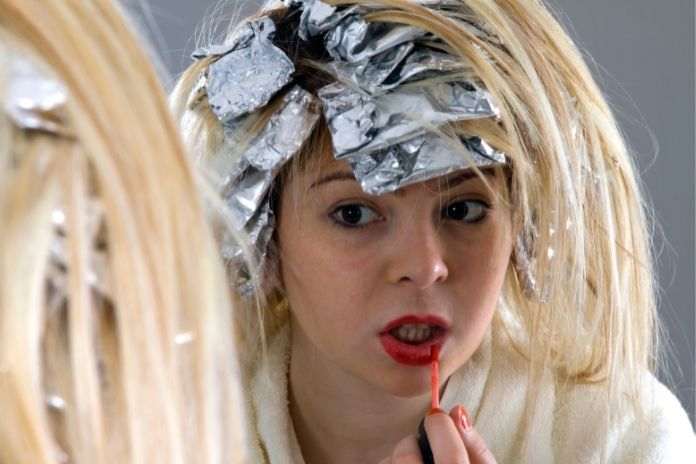
Fine, thin hair and long lengths rarely get along. The longer the hair, the more its own weight pulls it flat, and the ends start to look see-through.
A bob fixes most of that. Shorter hair is lighter, so it lifts at the root, and a clean edge makes the ends look thicker than they are.
Here are 23 bob haircuts for fine thin hair. Each one explains why it works, what to ask your stylist for, and how to style it at home.
Why a bob works for fine thin hair
- Less weight. Short hair is not dragged down, so it holds volume for longer.
- Thicker-looking ends. A blunt line keeps all the hair at one length, which looks dense.
- Easier styling. Fine hair dries fast and a bob needs very little product.
- Healthier hair. Regular trims remove thin, split ends before they travel up.
23 bob haircuts for fine thin hair
1. Blunt chin-length bob

A blunt cut with every hair ending at the same line is the best-known trick for fine hair. The solid edge makes the ends look thick and healthy. Chin length keeps the weight close to the face, so the hair does not hang flat. Ask your stylist for a one-length cut with no thinning or texturising at the ends. Style it straight with a little shine spray to show off the sharp line.
2. Classic one-length bob

This bob sits between the chin and the shoulders and is the same length all the way round. It is simple, timeless, and easy to look after. With no layers removing bulk, fine hair keeps all of its density. A rough blow-dry with a paddle brush is enough on most days. Trim it every six to eight weeks so the line stays clean.
3. French bob with a soft fringe
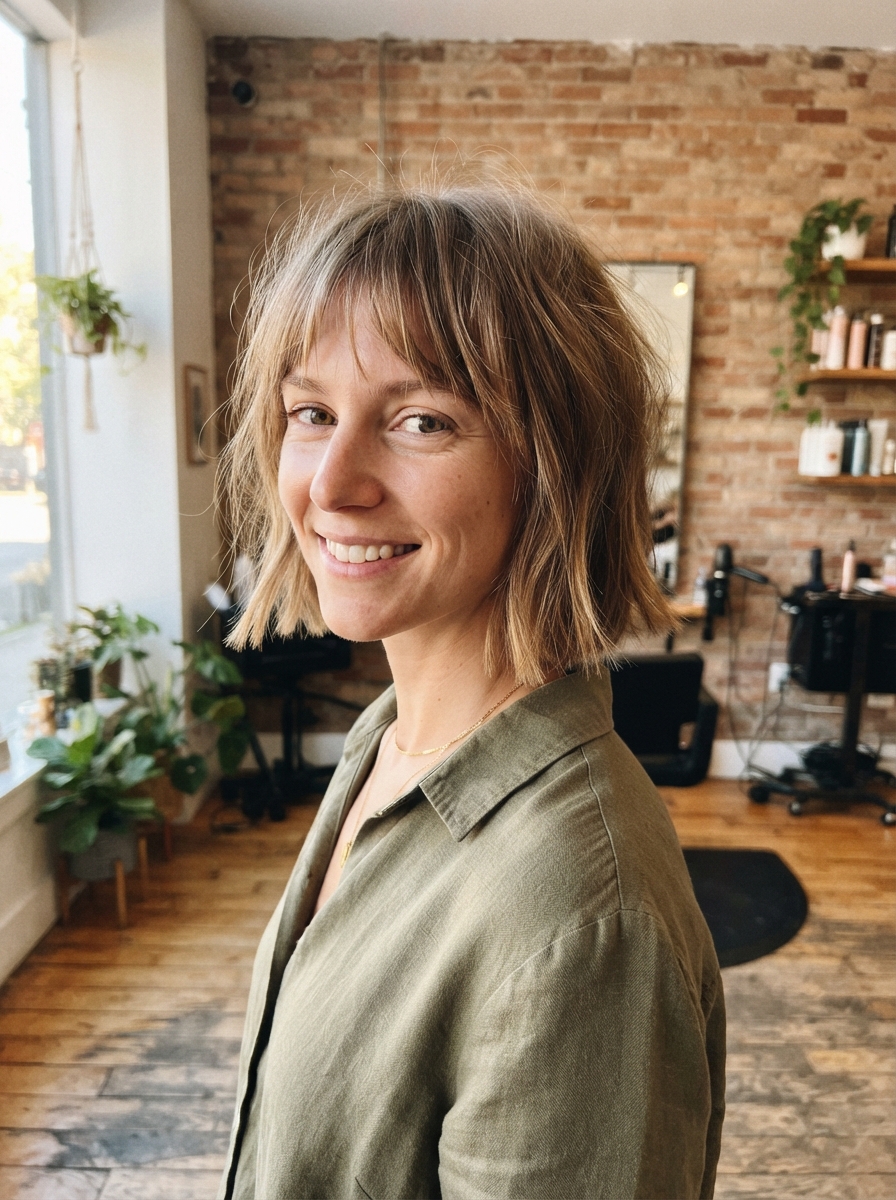
The French bob is cut at jaw length or a little above and worn with a light fringe. The short length gives fine hair natural lift at the root. A wispy fringe uses very little hair, so it does not take density from the sides. Let it air-dry with a small amount of texture cream for a relaxed finish. It suits oval and heart-shaped faces especially well.
4. A-line bob
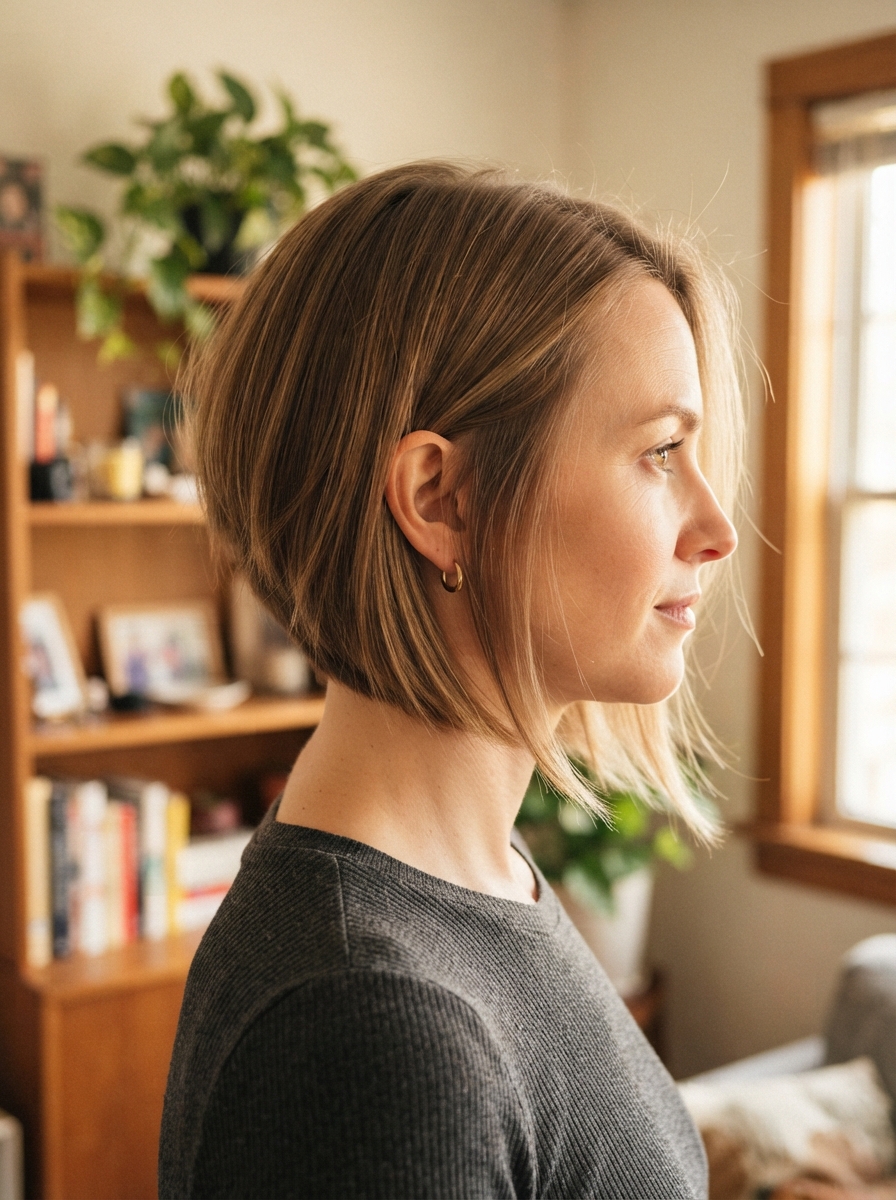
An A-line bob is slightly shorter at the back and longer toward the front. The angle pushes the weight forward, which makes the sides look fuller around the face. There are no stacked layers, so it stays soft. Blow-dry the front pieces under with a round brush to keep the shape. It is a good choice if you want a little more style than a straight blunt cut.
5. Stacked bob
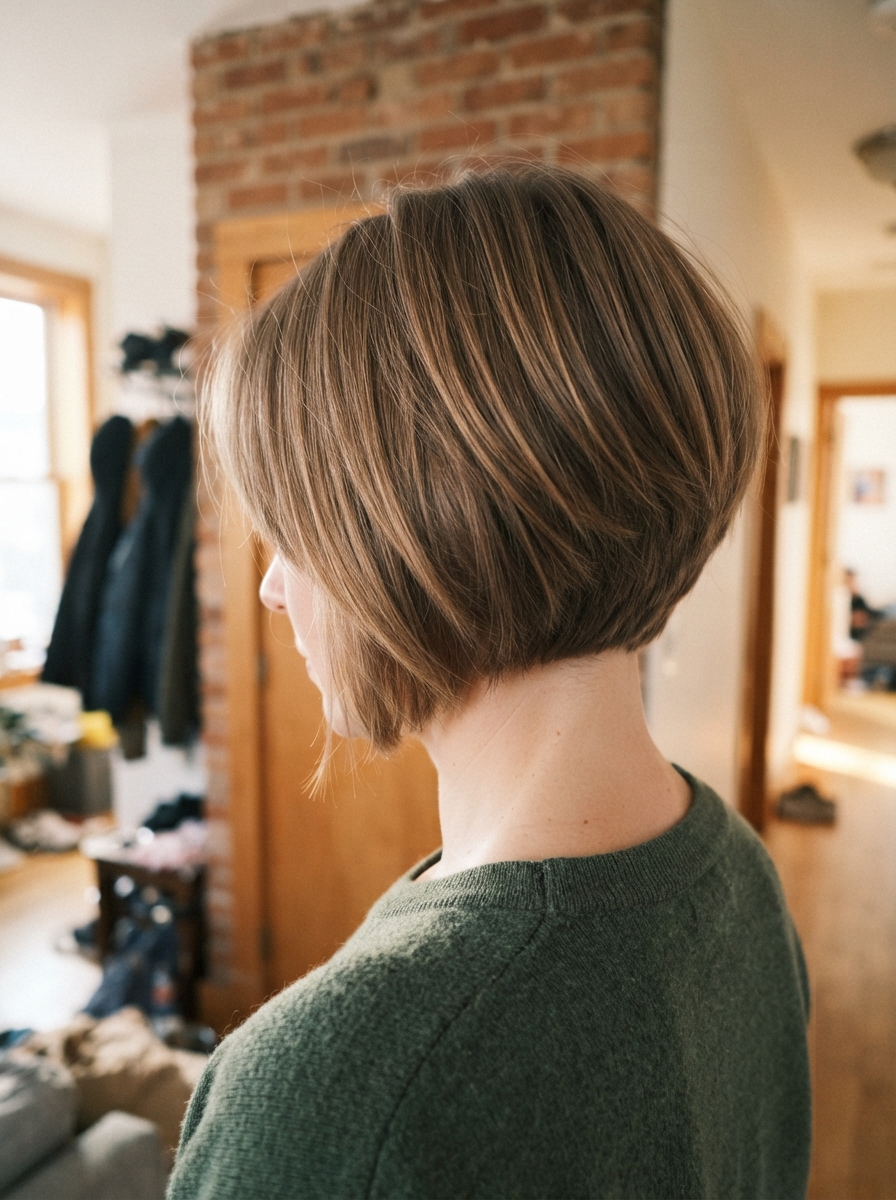
Short graduated layers at the back build height at the crown, where fine hair often goes flat. The front stays longer and smooth. The stacking is doing the volume work, so you need less product. Ask for soft graduation, not harsh steps, to keep it modern. A quick blow-dry with a round brush at the crown gives the lift.
6. Textured bob with soft ends

Here the ends are lightly point-cut so the line is soft, not sharp. The texture adds movement without removing much hair. It stops a bob from looking heavy or helmet-like on a small face. Work a pea-sized amount of texture paste through the ends with your fingers. Keep the texturising light, because too much will make fine ends look thin.
7. Long bob (lob) at the collarbone

A lob ends at the collarbone and gives you the feel of longer hair with the fullness of a bob. Fine hair often looks stringy past the shoulders, and this length avoids that. It is long enough to tie back and easy to curl. Keep the ends blunt for the thickest look. It is the safest place to start if you are nervous about going short.
8. Bob with curtain bangs
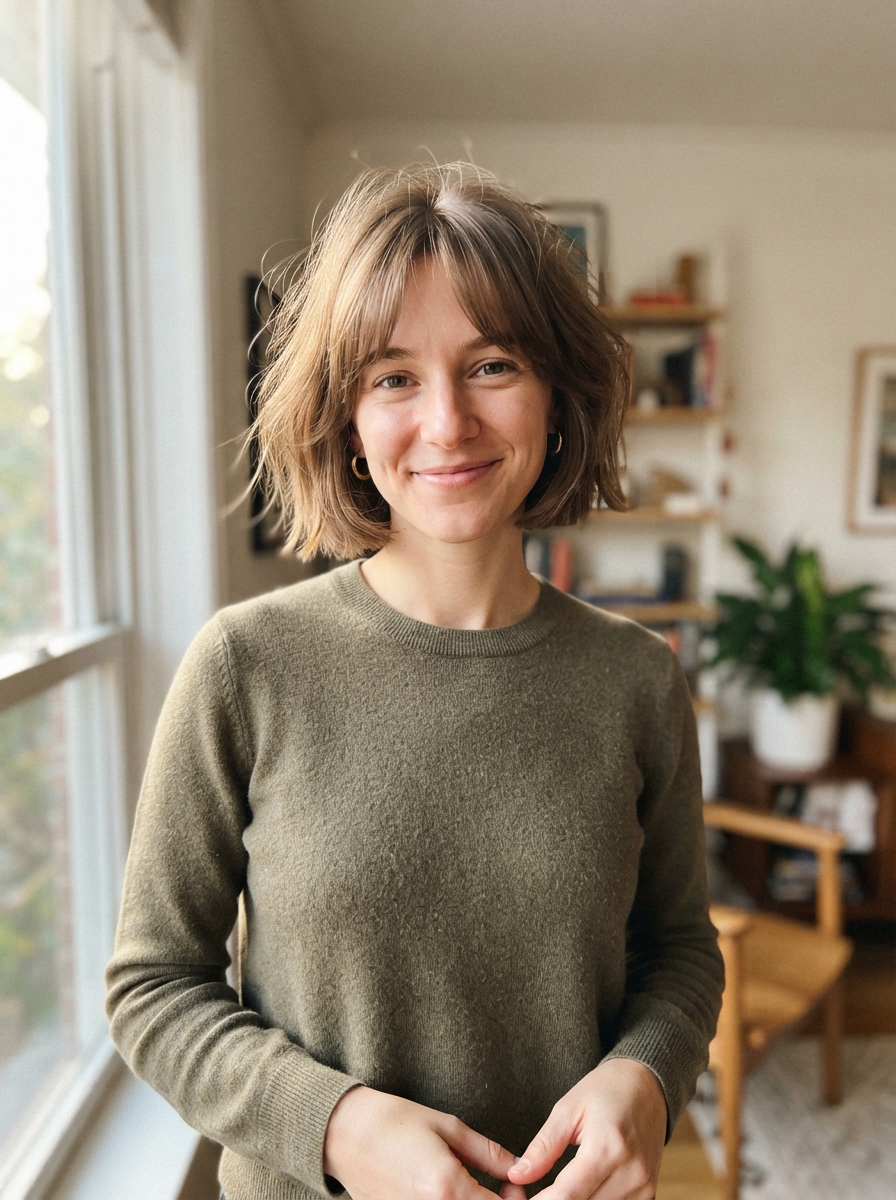
Curtain bangs part in the middle and sweep to each side. They frame the face and make the front of the hair look fuller. Because they blend into the sides, they are easy to grow out. Blow-dry them away from the face with a small round brush. Pair them with a chin or jaw-length bob for a soft, balanced shape.
9. Deep side-part bob
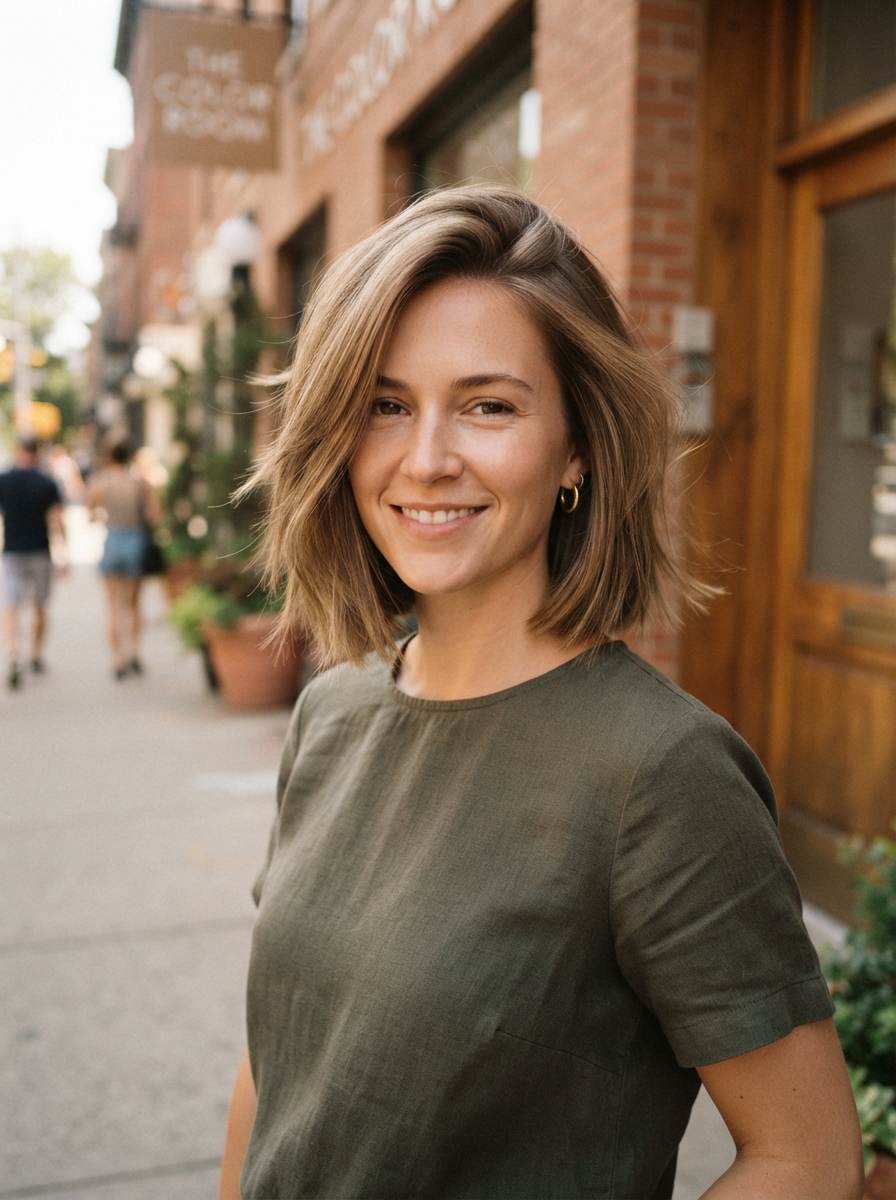
Moving your part further to one side is the fastest way to add volume. The hair is pushed against its natural fall, which lifts it at the root. A deep side part also covers a thinning hairline or part line. It works with any bob length. Flip the part to the opposite side now and then to keep the lift fresh.
10. Inverted bob
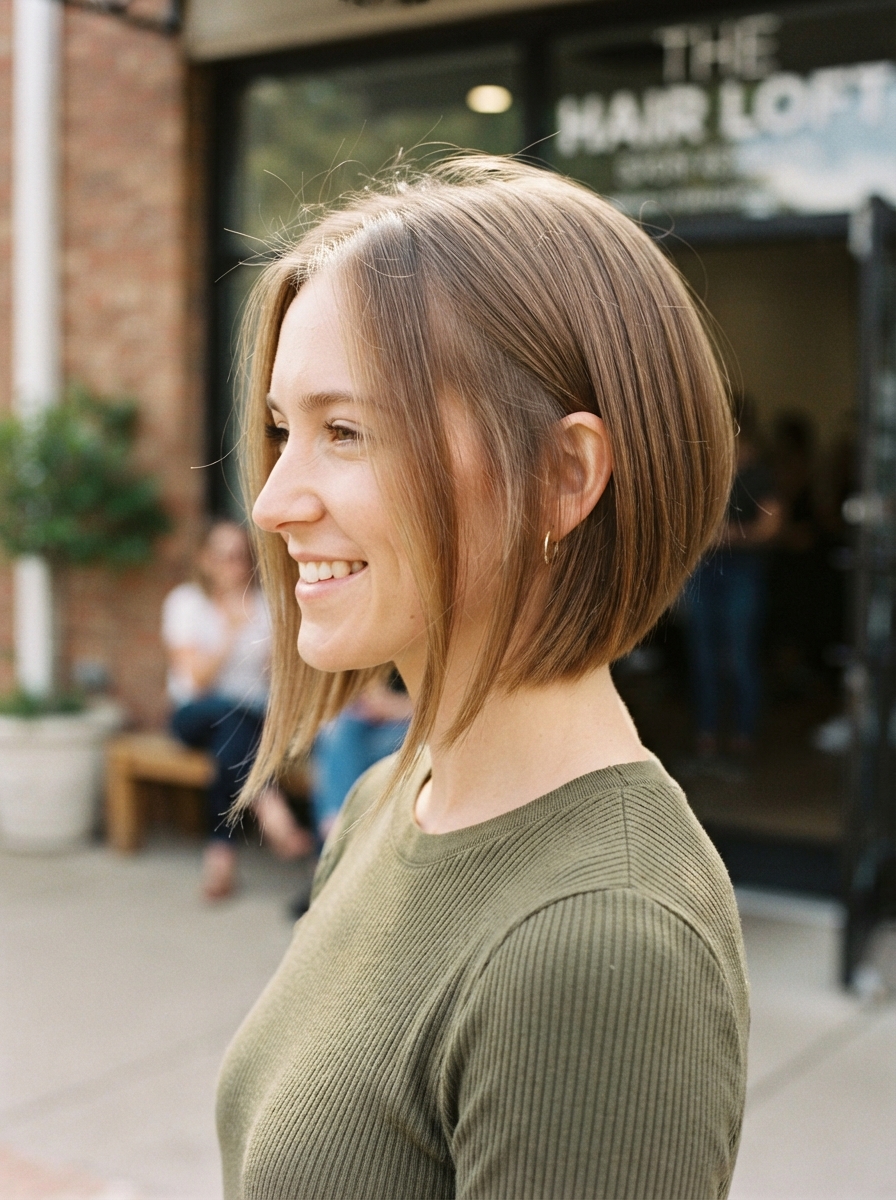
An inverted bob has a clear angle from a short back to longer front pieces. It is a stronger version of the A-line and has more shape at the nape. The short back removes the weight that drags fine hair down. The longer front keeps it feminine and face-framing. Smooth it with a flat iron for a sleek finish, or add a slight bend for softness.
11. Wavy bob
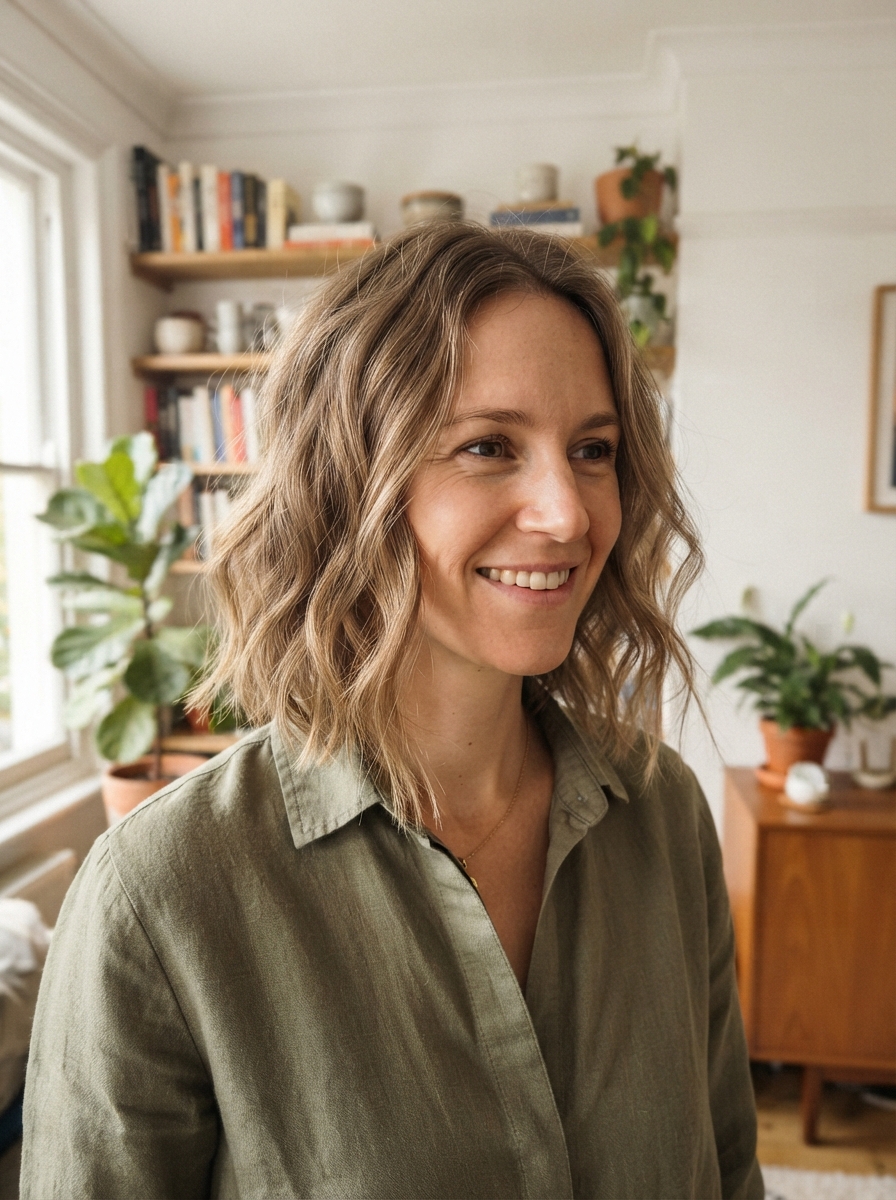
Loose waves make every strand take up more space, so fine hair looks thicker straight away. Use a one-inch curling iron and leave the ends out for a modern finish. Alternate the direction of each wave so they do not clump together. Spray a light texture spray and shake the waves out with your fingers. Avoid heavy oils, which will pull the waves flat.
12. Jaw-length blunt bob
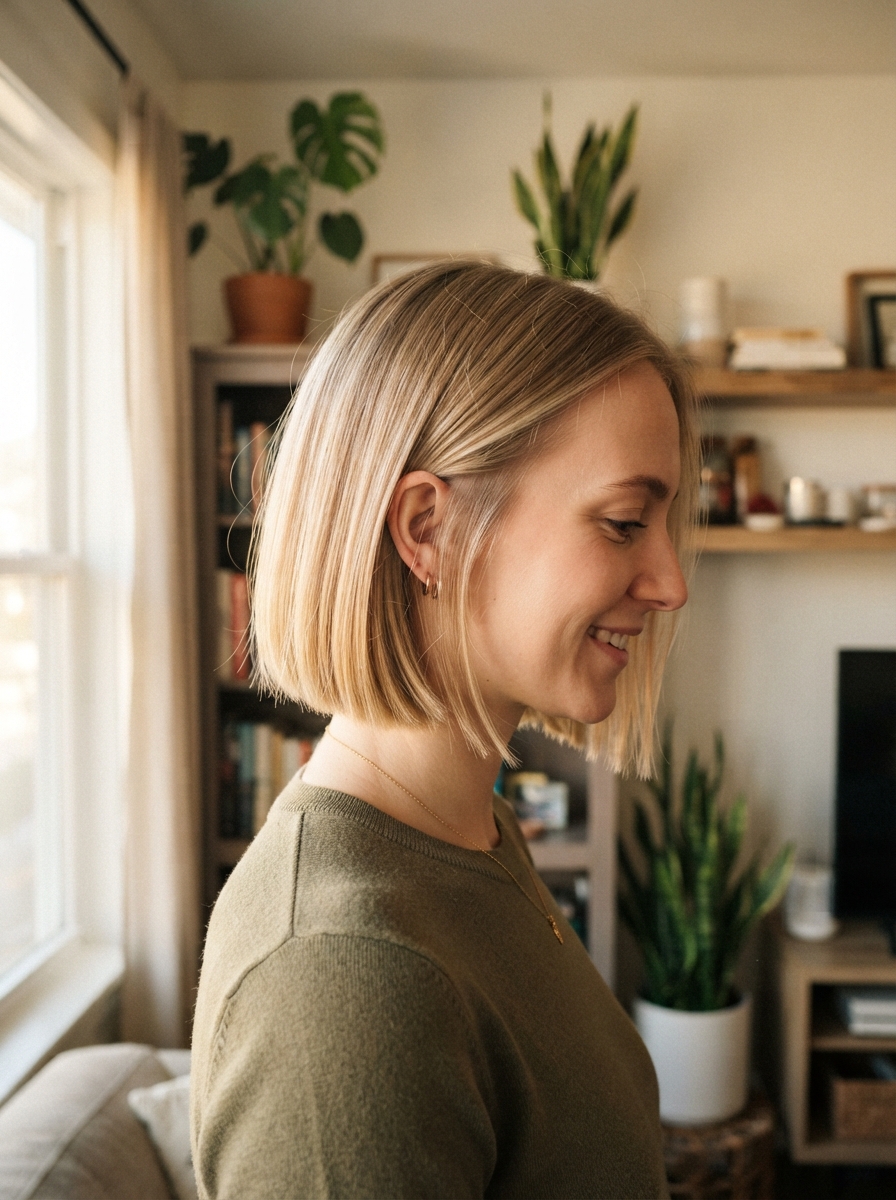
Cut right at the jawline, this bob gives a strong, clean outline. The short length means the hair is light enough to hold volume all day. It draws attention to the jaw and cheekbones. Ask for the back to be cut very slightly shorter so the line looks level when you move. It is low-maintenance and dries in minutes.
13. Bob with face-framing layers
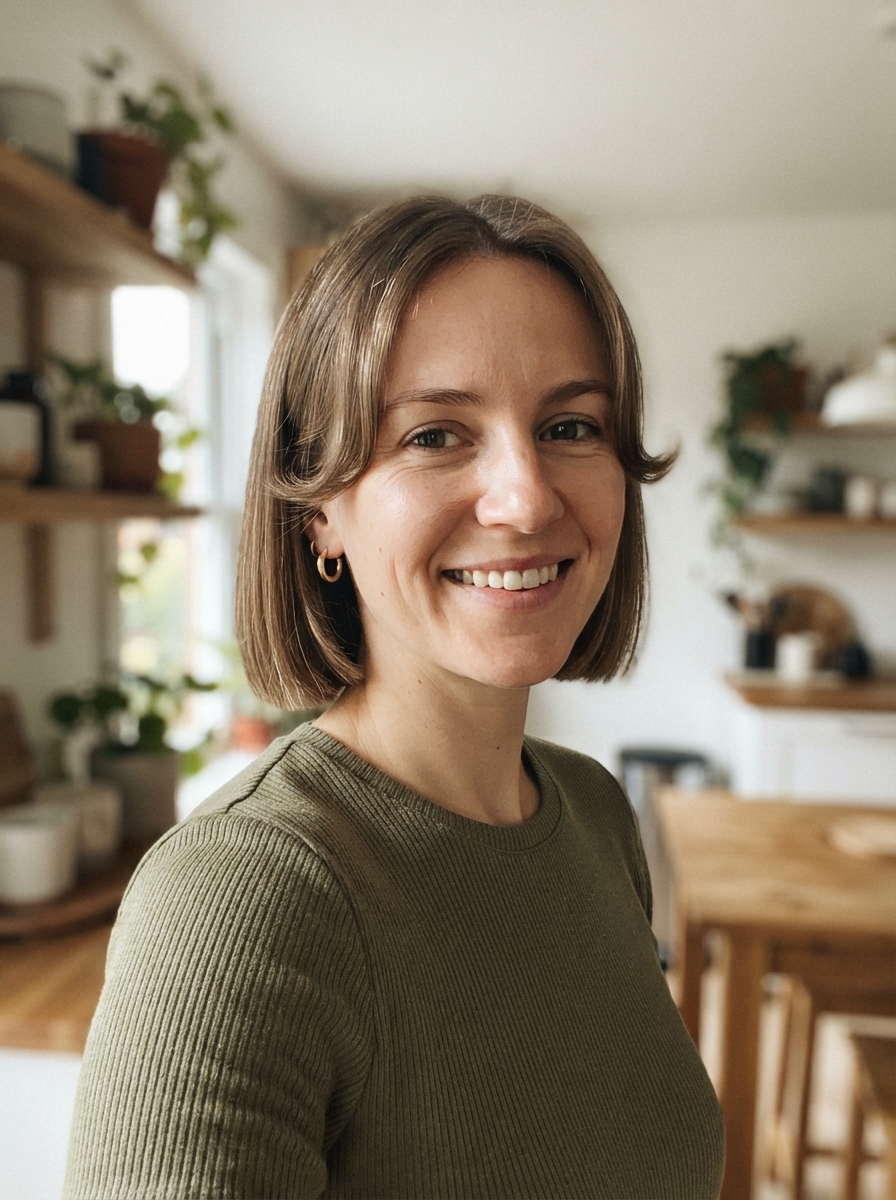
The main length stays blunt, and only the pieces around the face are cut a little shorter. This gives movement at the front without thinning the rest. The shorter pieces can be tucked behind the ear or curled away from the face. It softens a blunt cut and flatters most face shapes. Ask your stylist to keep the layers long and few.
14. Bob with invisible layers
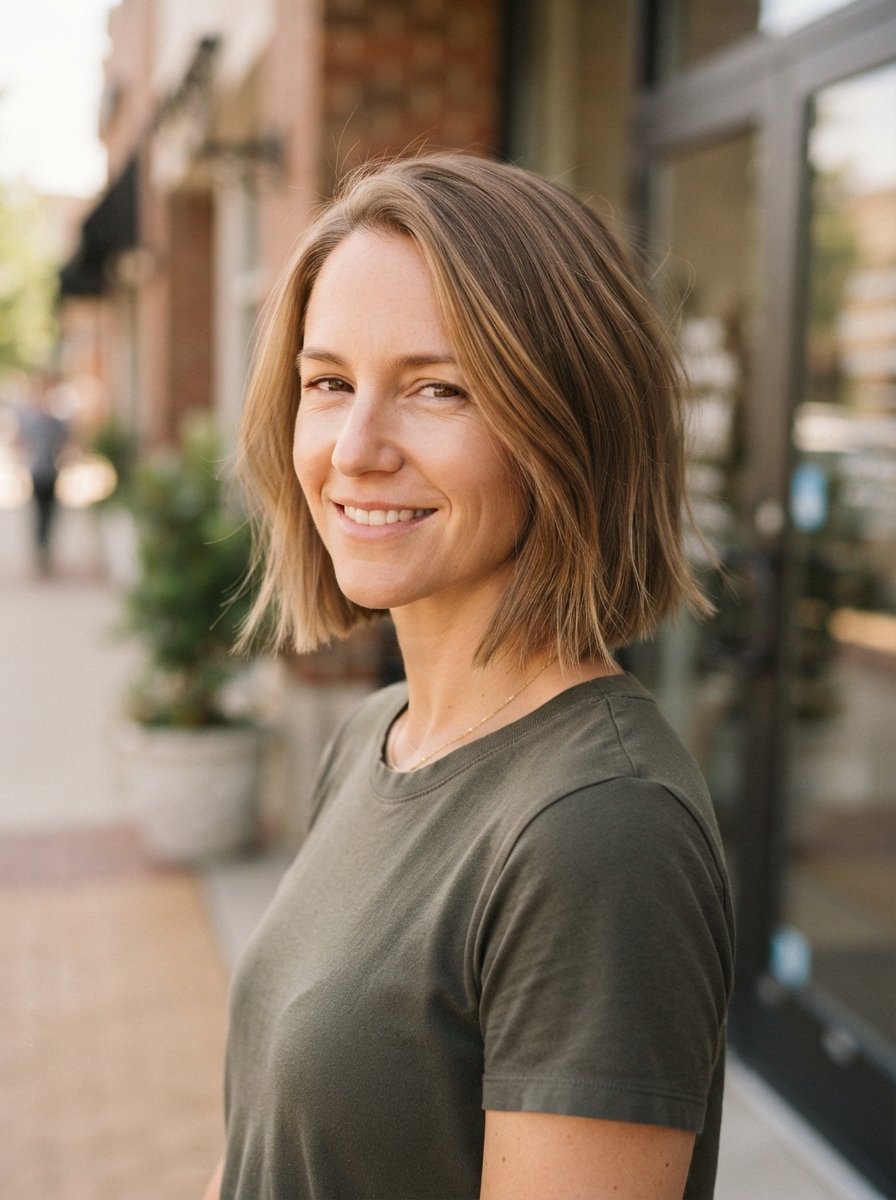
Invisible layers are cut inside the haircut, underneath the top section. They create lift and movement, but you cannot see where they begin. The surface still looks like one smooth length. This technique works well when a blunt cut feels too flat on you. It needs a stylist who is used to cutting fine hair, so ask before you book.
15. Shaggy bob
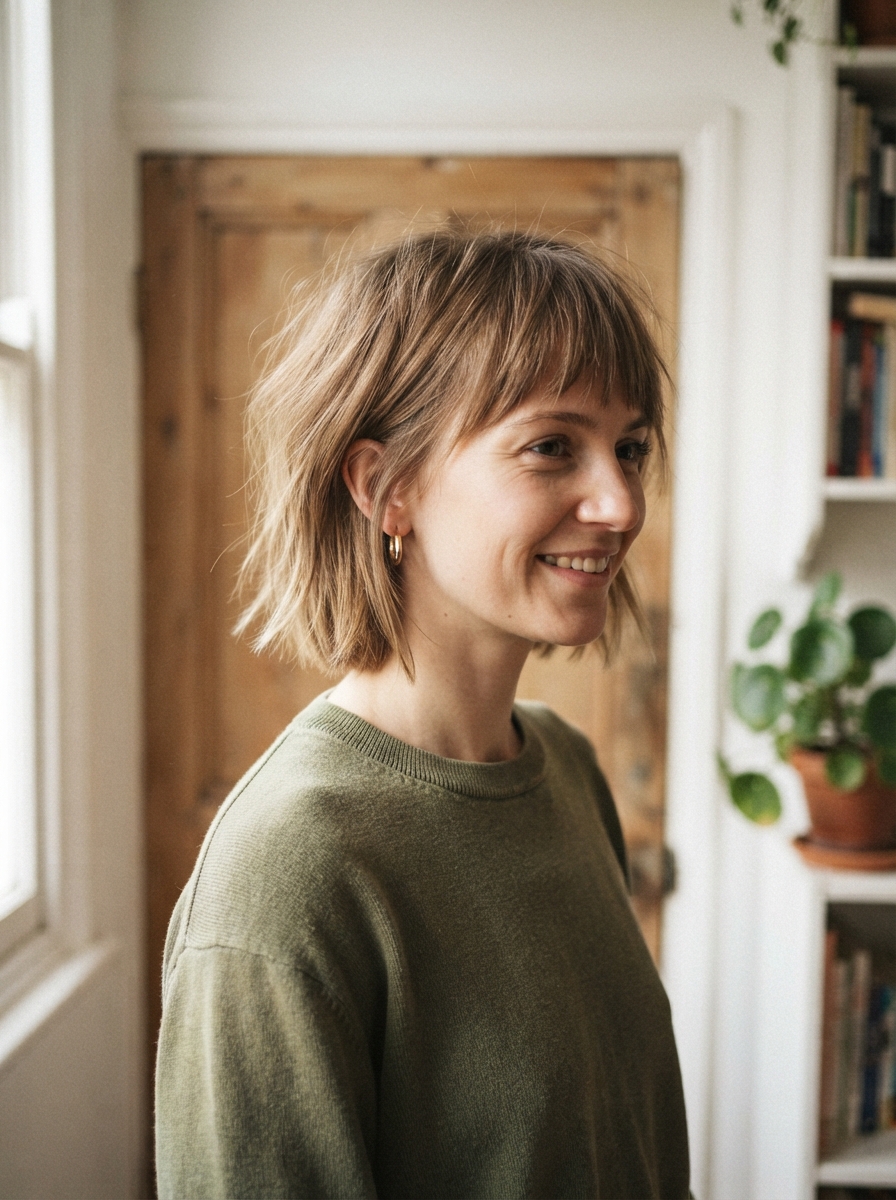
A shaggy bob has light, choppy layers and a fringe for a relaxed, undone look. On fine hair the layers should stay soft and mostly around the crown and face. This adds texture and height without thin ends. Scrunch in a little mousse and let it air-dry or use a diffuser. It is a good choice if your hair has a natural bend.
16. Sleek tucked bob

Wear the bob straight and tuck one or both sides behind your ears. Tucking shows off the jawline and makes the hair in front look denser. A smoothing cream keeps flyaways down without weighing the hair. It takes about five minutes with a flat iron. This is a neat, polished option for work.
17. Flipped-ends bob
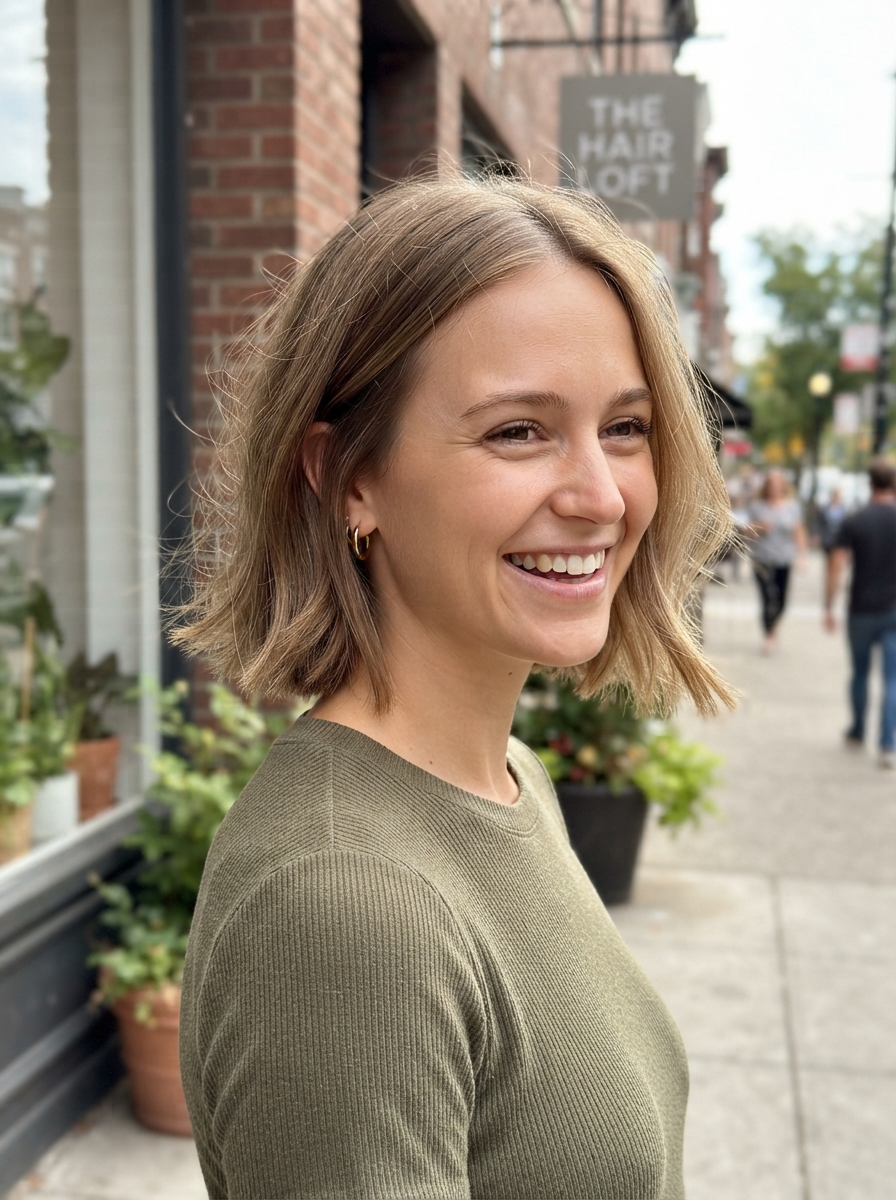
The ends are turned outward with a round brush or flat iron. The flip adds width at the bottom, which balances a narrow face and makes hair look fuller. It has a light retro feel and has come back into fashion. Use a little hairspray on the ends to hold the shape. It works best on chin to shoulder-length bobs.
18. Layered bob with crown volume
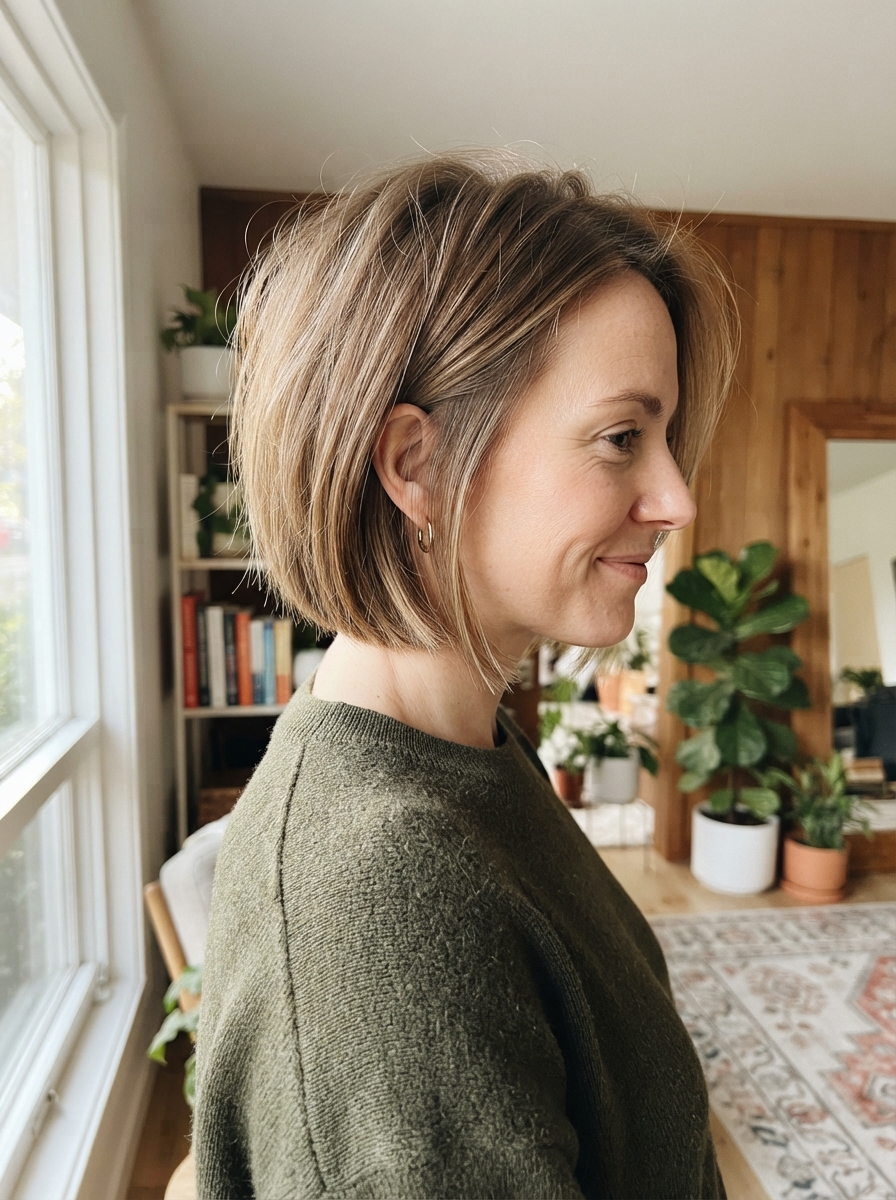
Short, soft layers are placed only at the crown to build height. The lengths below stay full and blunt. This is useful if your hair falls flat on top by midday. Blow-dry the crown with a round brush, lifting straight up from the root. A light root spray before drying helps the lift last.
19. Italian bob

The Italian bob is a little longer and fuller than the French bob, usually ending at the neck. The ends are thick and slightly rounded under. It is designed to be flipped from side to side, which adds natural volume. Blow-dry with a large round brush for a soft, bouncy finish. It looks rich and healthy even on very fine hair.
20. Bob with wispy bangs

Wispy bangs are a light, see-through fringe. They use only a small amount of hair, so the rest of the bob stays full. They soften the forehead and draw attention to the eyes. Dry them first, brushing side to side, so they sit flat. They suit fine hair far better than a heavy, blunt fringe.
21. Choppy bob
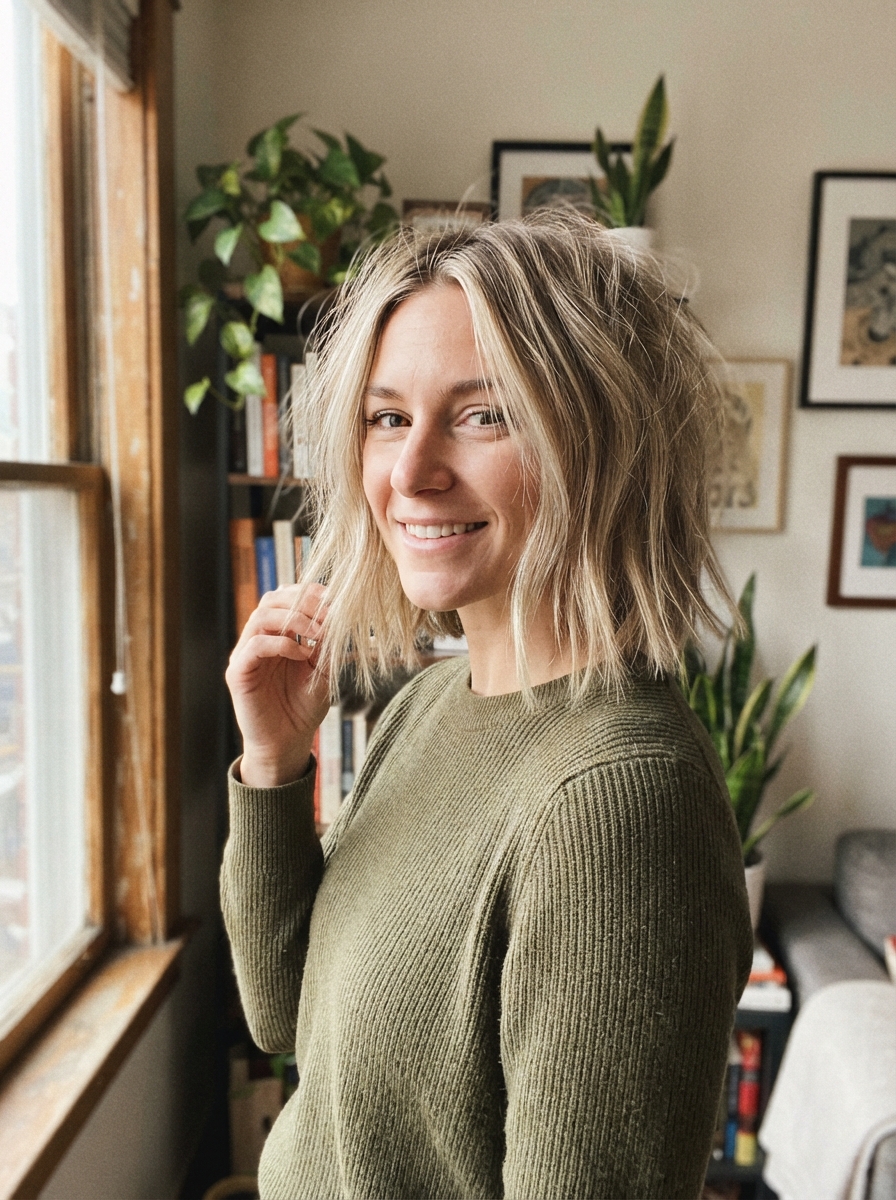
A choppy bob has uneven, piecey ends for a modern, lived-in look. The texture hides the fact that the ends are fine. Keep the chopping to the last inch so the base stays solid. Twist small sections with texture paste to define the pieces. It is a good cut if you like a casual, low-effort style.
22. Graduated bob
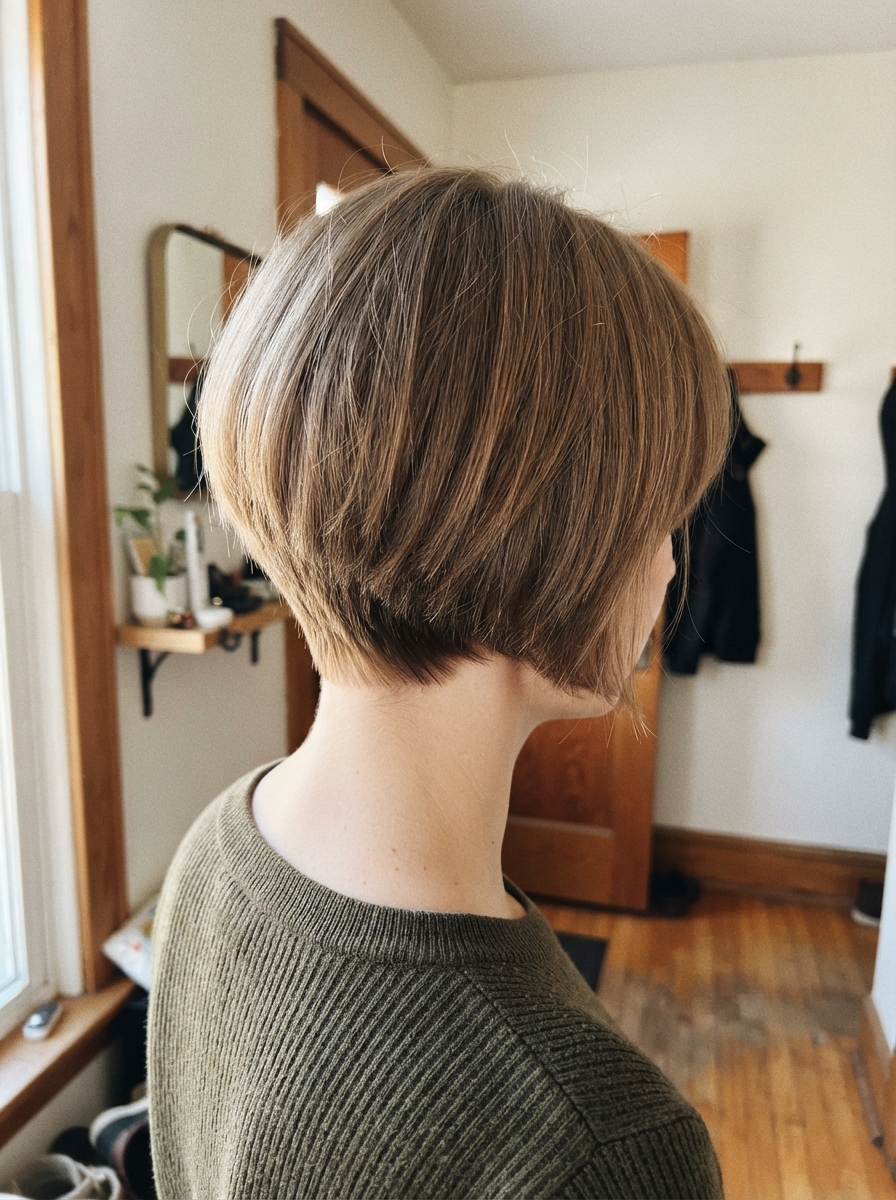
A graduated bob is built up in soft layers from the nape to the crown. The shape is rounded and full at the back of the head. It gives a lot of volume to fine, straight hair without teasing or heavy products. The front can be kept at chin length or a little longer. Regular trims matter with this cut, because the shape depends on precise lines.
23. Soft curled-under bob
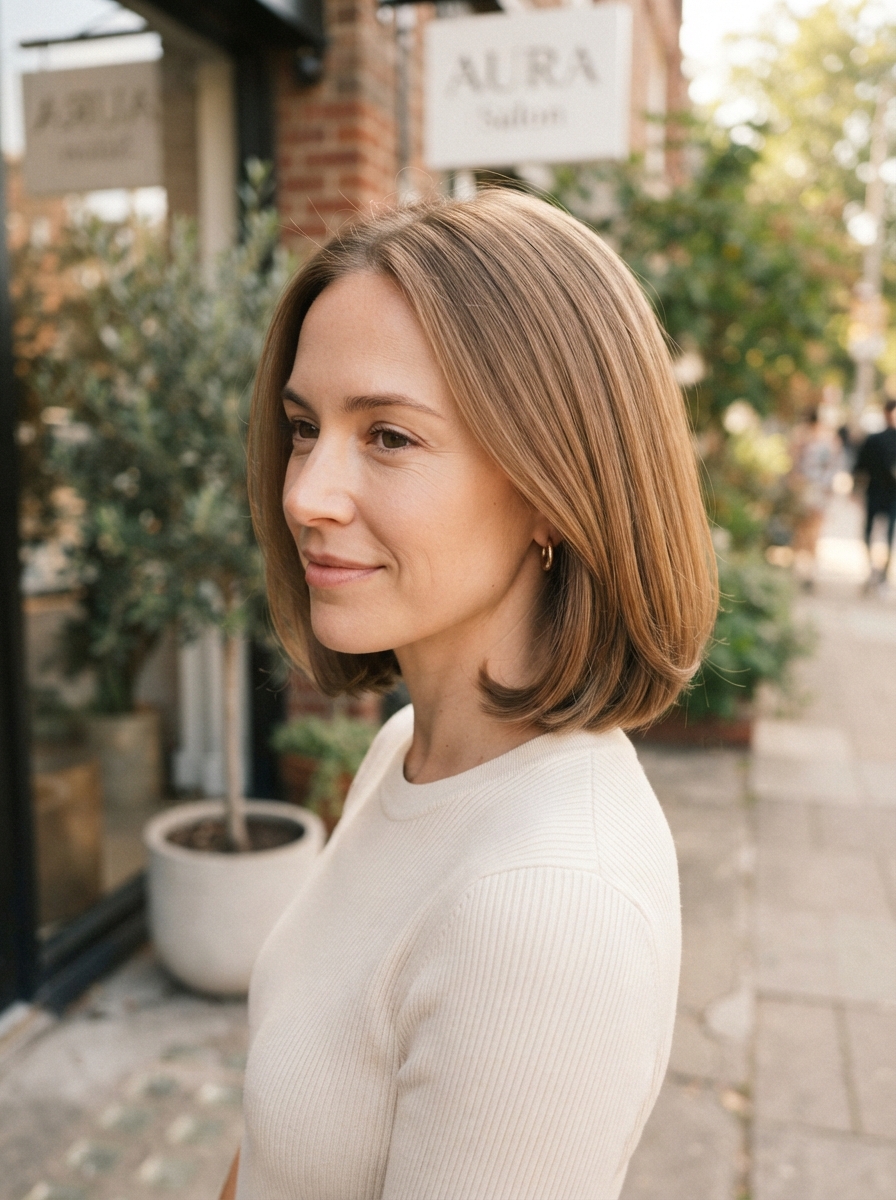
The ends are turned under with a round brush for a smooth, classic finish. Curling under makes the bottom edge look thick and rounded. It is a gentle, polished look that suits every age. Use a large round brush and a medium heat setting to protect fine strands. A light mist of hairspray keeps the curve in place all day.
Styling tips for fine thin hair
- Use light products. Mousse, root spray, and texture spray add lift. Heavy creams and oils flatten it.
- Blow-dry upside down. Dry the roots first with your head tipped forward, then smooth the ends.
- Condition only the ends. Keep conditioner away from the roots so they stay light.
- Do not over-layer. Too many layers remove the density that fine hair needs.
- Trim often. Every six to eight weeks keeps the shape sharp and the ends full.
Final thoughts
The right bob can make fine thin hair look fuller than it has in years. Start with a blunt edge, keep layers light, and choose a length that suits your face. Save two or three of these cuts and take the photos to your stylist.


![4 Best Locking Gel for Dreads [Ultimate Guide]](https://magicalassam.com/review/wp-content/uploads/2022/06/Best-Locking-Gel-for-Dreads.jpg)