
The travel skincare guide that gets you off the plane looking like you took a nap, not a red-eye.
Airplane cabins are aggressive on skin. Humidity drops to 10–20% (the Sahara averages 25%). Cabin pressure dehydrates faster than ground level. Recycled air strips oils. And if you’re flying long-haul, you’re sitting in those conditions for 8+ hours straight.
The result is the classic post-flight face: dry, dull, puffy around the eyes, breakout-prone, and somehow simultaneously oily on the T-zone. The opposite of glowing.
This post is the actual in-flight skincare routine that works. 7 products that land you glowing, not exhausted — what to pack, when to use each one, and how to layer them. Plus pre-flight prep (the 24 hours before matter more than you’d think) and post-flight recovery (the 24 hours after the flight is when most damage actually shows).
You don’t need 15 products. You need these 7, used at the right times.
Why Airplane Cabins Wreck Your Skin
Understanding the problem makes the routine make sense. Three things happen at 35,000 feet that don’t happen on the ground.
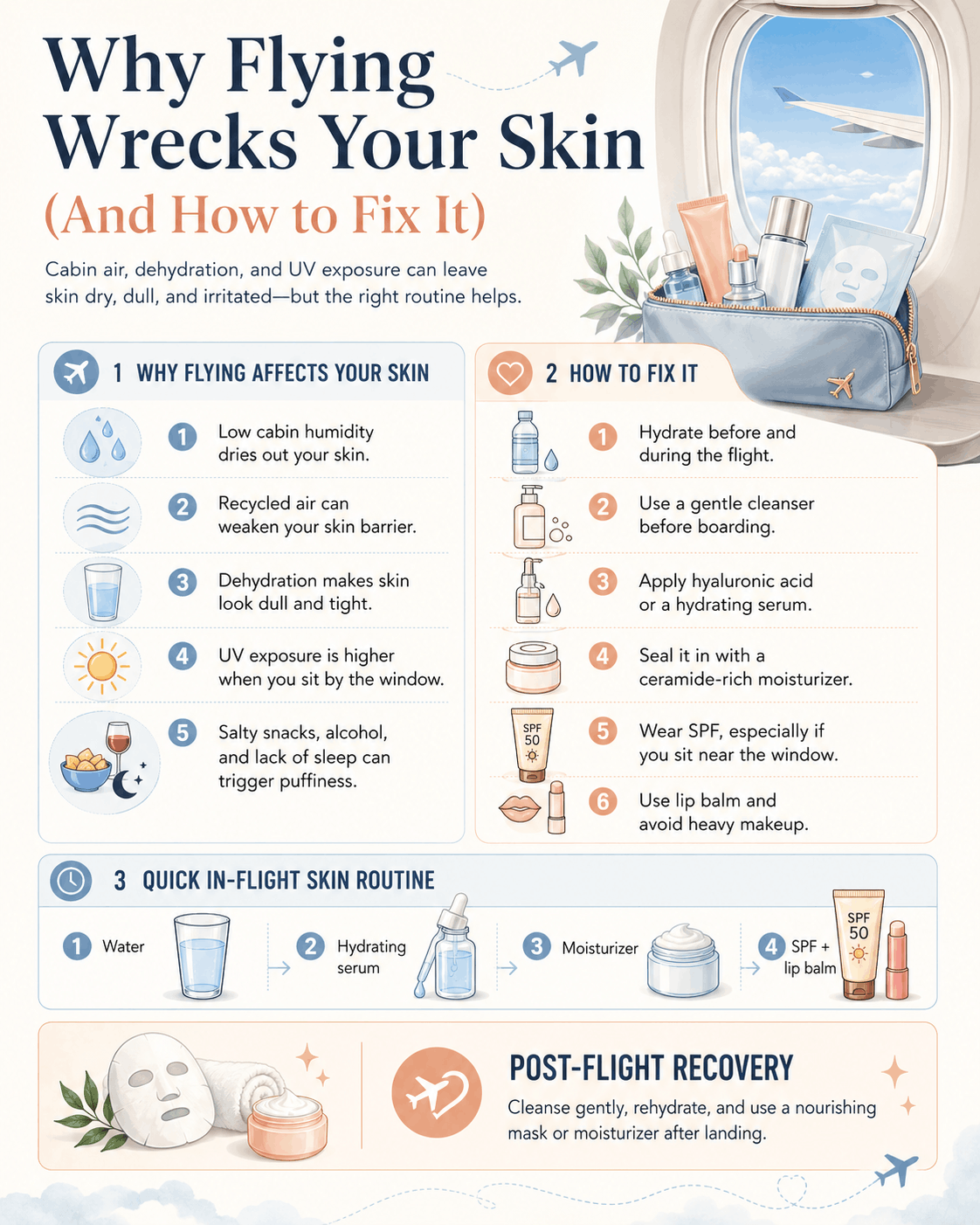
Humidity drops below 20%. Your skin actively loses water to the dry cabin air through a process called transepidermal water loss. By hour 4, your skin is measurably dehydrated. By hour 8, it shows visibly — fine lines deepen, foundation cracks, complexion looks dull.
UV exposure is significantly higher. At cruising altitude, you’re exposed to roughly twice the UV radiation as on the ground. Window seats are particularly bad — airplane windows don’t block UVA. A 6-hour daytime flight in a window seat = significant UV exposure that most people don’t account for.
Cabin pressure causes fluid retention and puffiness. Lower cabin pressure makes blood vessels expand and fluid pool — especially around the under-eyes. The “I look 10 years older after that flight” effect is real.
The in-flight routine addresses all three. Hydration to counter the dry air. SPF and barrier protection for UV. Cooling treatments to counter puffiness.
The In-Flight Skincare Rules
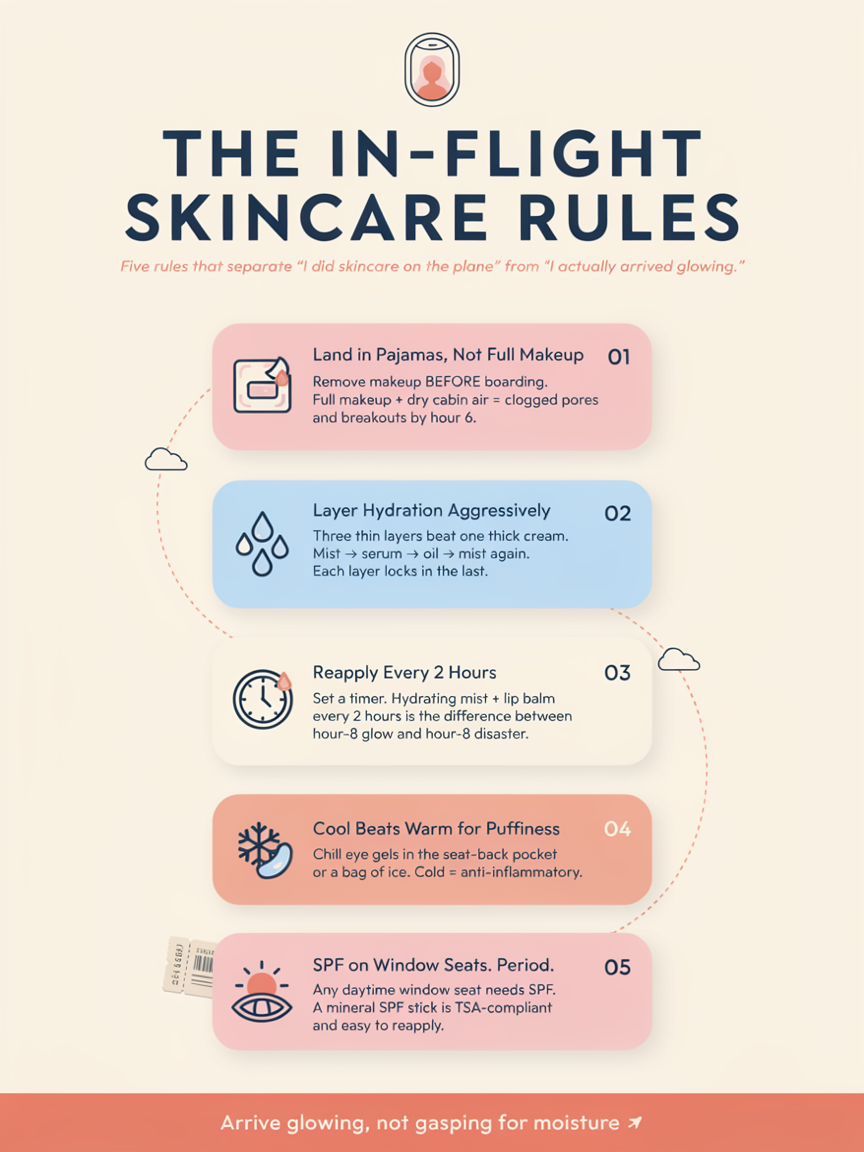
Five rules that separate “I did skincare on the plane” from “I actually arrived glowing.”
Rule 1: Land in pajamas, not full makeup. Take off makeup BEFORE boarding (cleansing wipes in your carry-on, in the terminal bathroom). Flying with full makeup traps oil and clogs pores in the dry cabin air — guaranteed breakouts by hour 6.
Rule 2: Layer hydration aggressively. Three thin layers of hydrator beat one thick layer of moisturizer. Mist, serum, oil, mist again. Each layer locks in the previous one. Bare skin + one cream doesn’t survive 8 hours of dry air.
Rule 3: Reapply every 2 hours. Skincare doesn’t last on a plane the way it does at home. Set a phone timer if you have to. Hydrating mist + lip balm reapplication every 2 hours is the difference between hour 8 glow and hour 8 disaster.
Rule 4: Cool relieves puffiness, not warm. Eye gels stored in the seat-back pocket (or in a sealed plastic bag with ice from the flight attendant) treat puffiness faster than room-temp versions. Cold = anti-inflammatory.
Rule 5: SPF on window seats. Period. If you’re in a window seat for any daytime portion of the flight, you need SPF. Mineral SPF stick = TSA-compliant and reapplies easily.
The 7 Products (with In-Flight Timing)
This is the complete kit. Seven products, layered strategically across the flight. Each one earns its place in your carry-on.
1. Hydrating Mist (the workhorse)
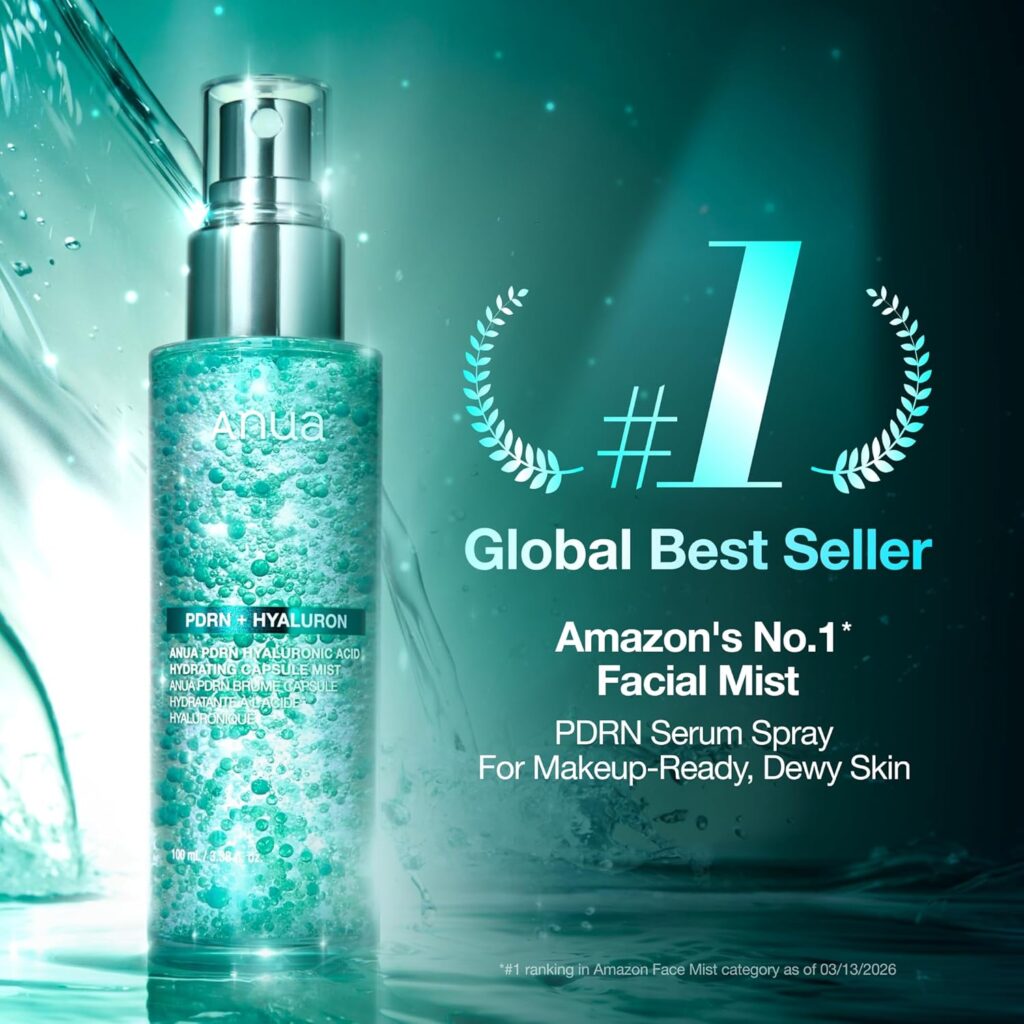
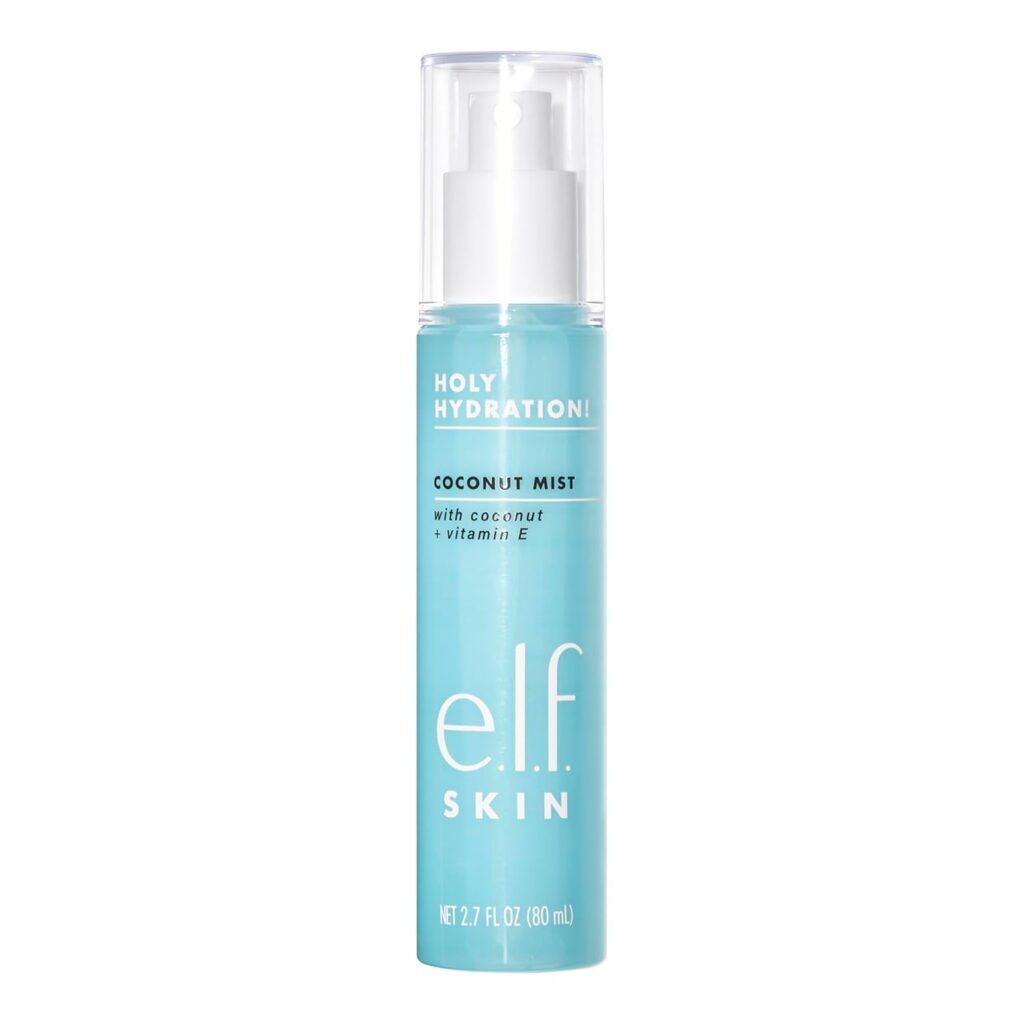
A facial mist with hyaluronic acid, glycerin, or thermal water. Used as the FIRST step and reapplied throughout the flight.
When to use: Right after boarding, then every 2 hours.
How to use: 4–6 sprays from arm’s length, then PRESS into skin with palms (don’t let it evaporate).
Why it earns the spot: Most efficient way to add humidity back to skin in dry cabin air.
Top picks: Caudalie Beauty Elixir, Avene Thermal Spring Water (the blue can), Tower 28 SOS Daily Rescue Spray.
Quick tip: Pick a mist with skincare actives, not just water — pure water mists evaporate fast and leave skin DRIER than before.
2. Hyaluronic Acid Serum (the deep hydrator)
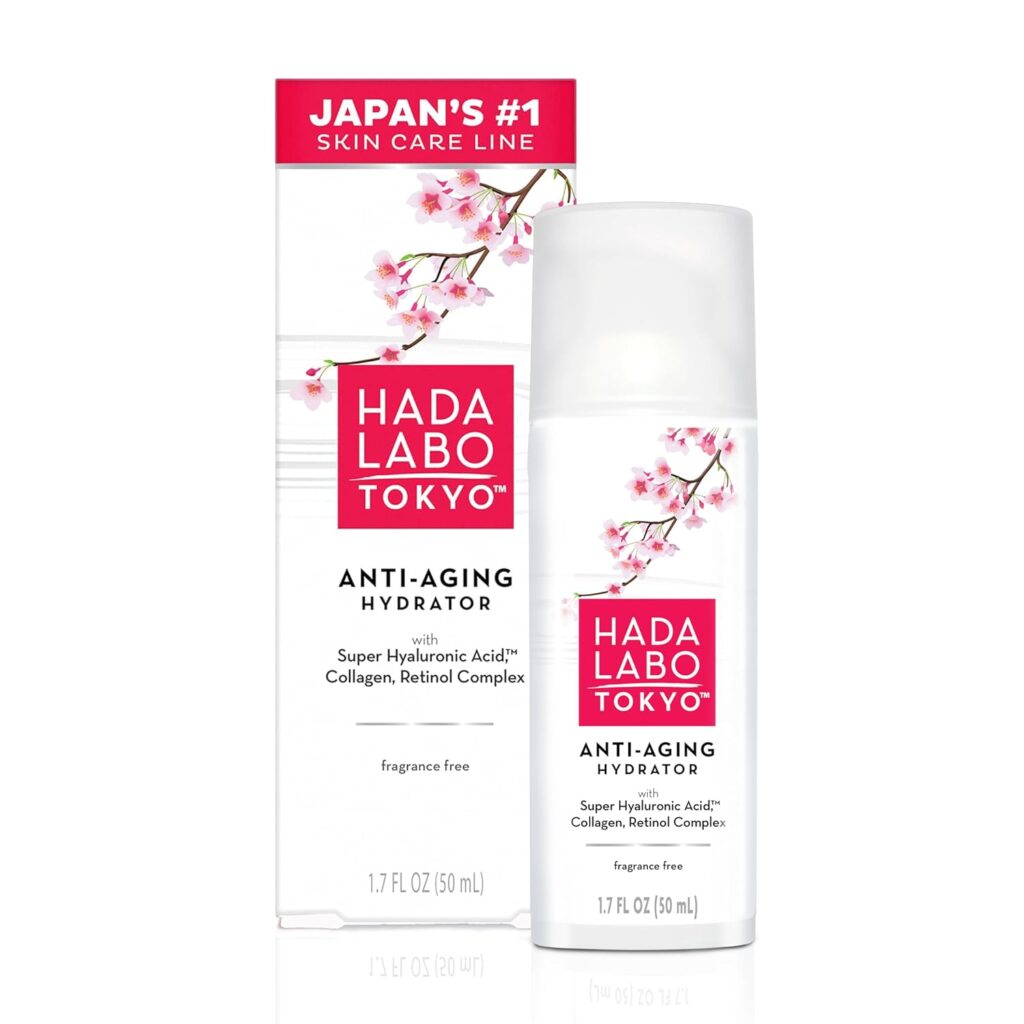
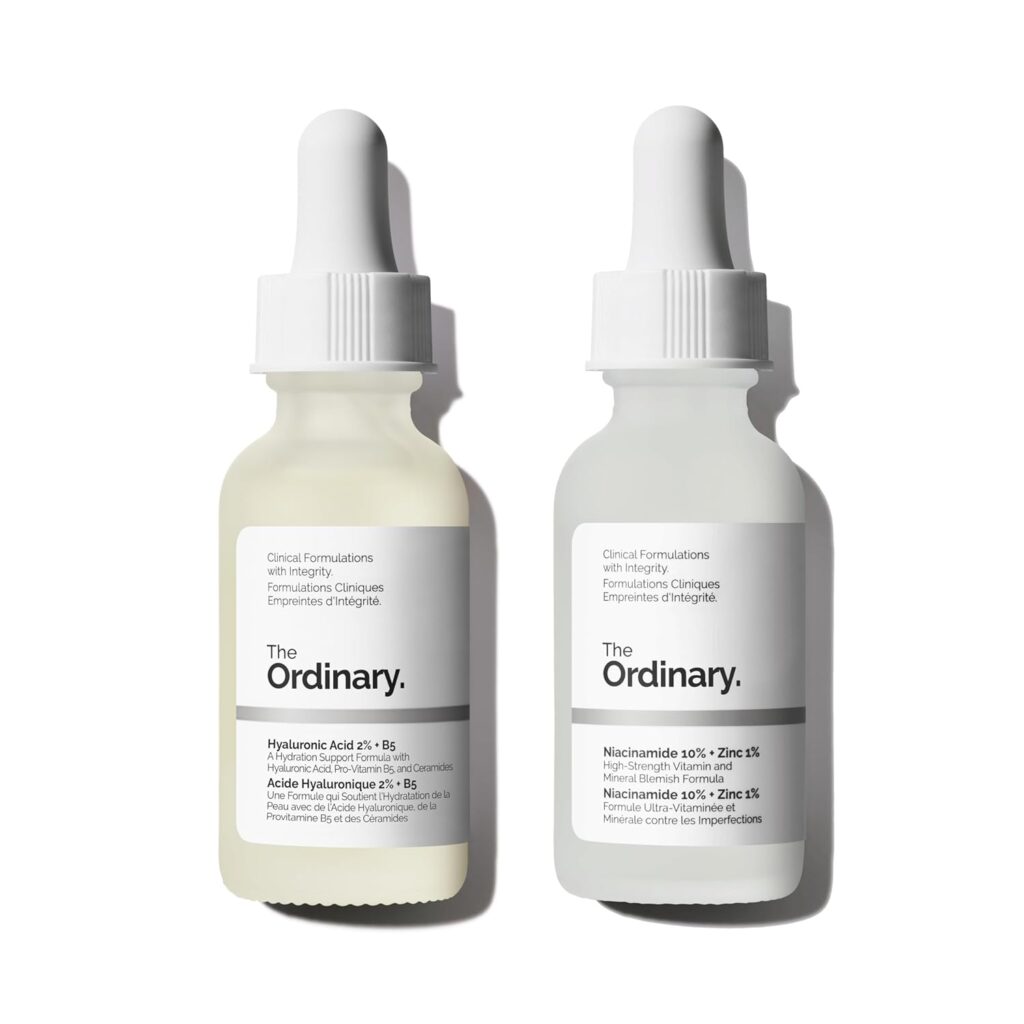
A travel-size hyaluronic acid serum applied over damp skin (the mist provides the damp). Pulls and holds moisture.
When to use: Once boarded, after the first mist. Reapply once mid-flight if 8+ hour flight.
How to use: 3–4 drops, press into skin while still damp from the mist.
Why it earns the spot: Hyaluronic acid holds 1000x its weight in water — exactly what you need at 10% humidity.
Top picks: The Ordinary HA + B5 (small travel-friendly bottle), Hada Labo Premium Lotion, La Roche-Posay Hyalu B5.
Quick tip: Apply HA to DAMP skin only. On dry skin in dry cabin air, HA actually pulls moisture FROM your skin instead of adding it.
3. Sheet Mask OR Face Oil (the seal)
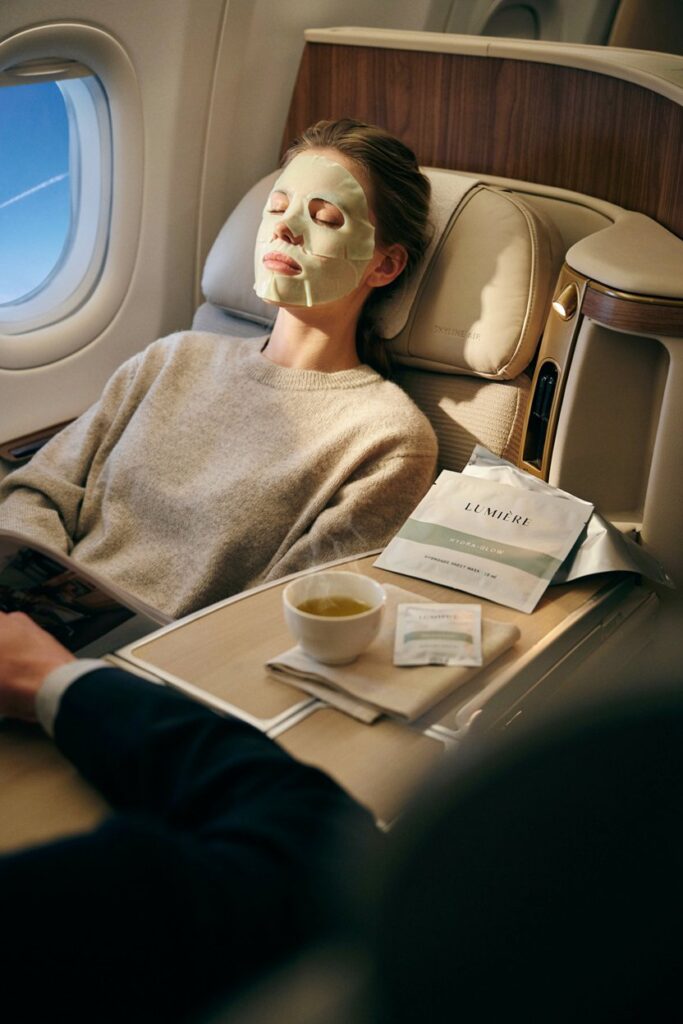
Pick one based on your skin type. Sheet mask = better hydration, more dramatic looking. Face oil = lower drama, easier to use over multiple intervals.
When to use: Sheet mask: once at hour 3–4 (mid-flight). Face oil: small amount after each serum application.
How to use: Sheet mask: 15–20 minutes (cabin lights off if you’re self-conscious). Face oil: 2–3 drops warmed in palms, pressed into skin.
Why it earns the spot: Seals in the hydration from the previous two steps.
Top picks: Sheet masks: Tony Moly, Mediheal, Dr. Jart+. Oils: The Ordinary Squalane, Biossance 100% Squalane, Marula Oil.
Quick tip: If you do a sheet mask, don’t rinse — pat in the leftover essence. You paid for that liquid; use it all.
4. Eye Gels or Under-Eye Patches (the puffiness fix)
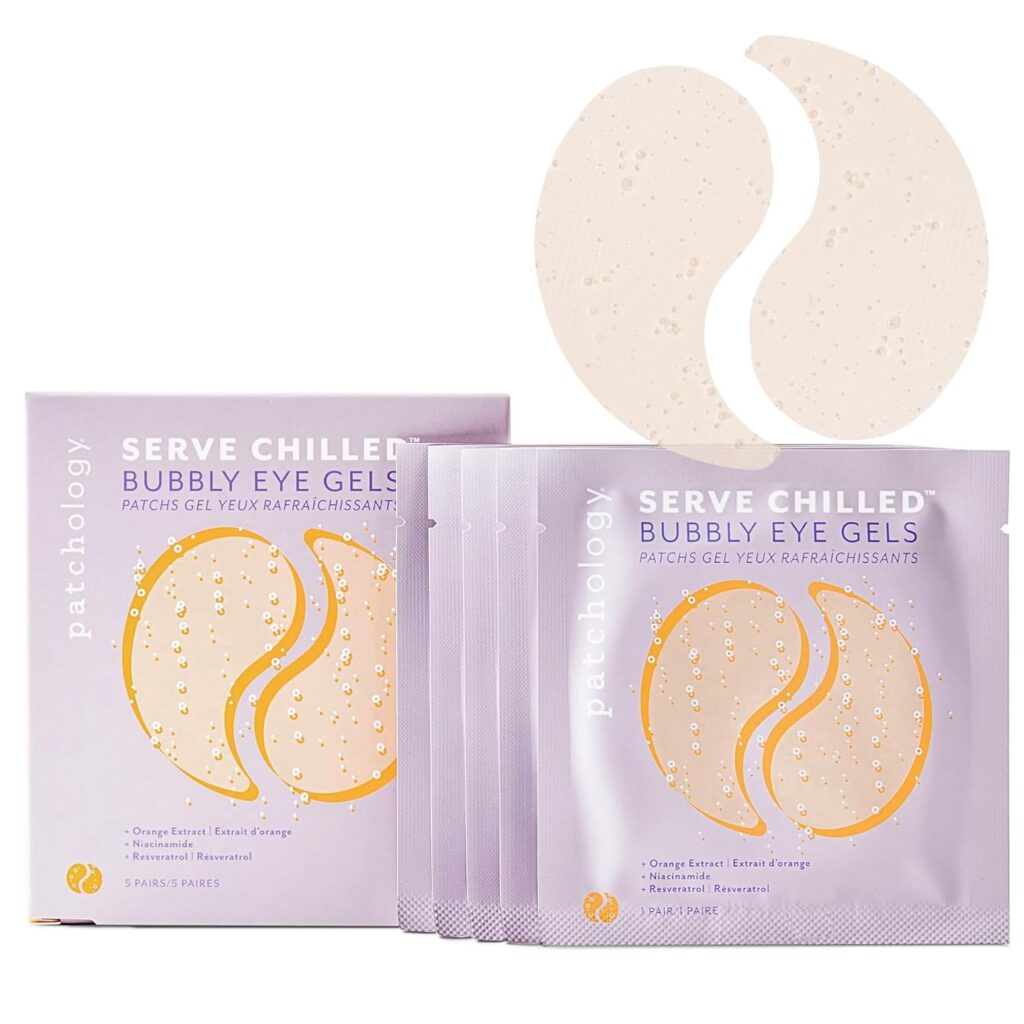
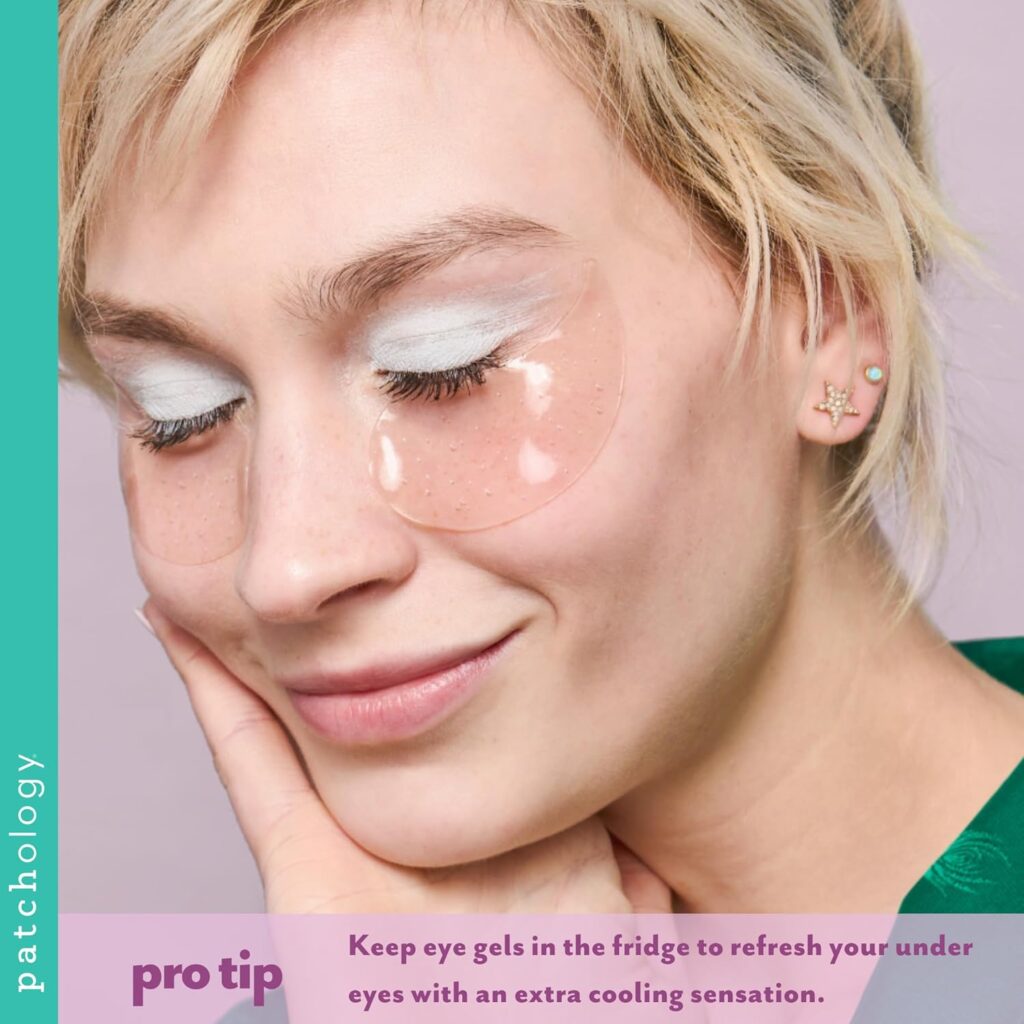
Cooling under-eye patches (typically hydrogel) worn for 15–20 minutes. Specifically target the puffiness flying causes.
When to use: Hour 2 (preventive) AND hour 6 (recovery). Or 30 minutes before landing.
How to use: Apply to clean under-eye area, leave for 15–20 minutes, remove and gently pat in remaining serum.
Why it earns the spot: The single product that visibly de-puffs the post-flight face.
Top picks: Peter Thomas Roth 24K Gold (the gold ones), Wander Beauty Baggage Claim, Patchology FlashPatch.
Quick tip: Store the patches in the seat-back pocket — the air is cooler there than in your bag. Cold = better.
5. Rich Lip Balm or Lip Mask (the most-overlooked)
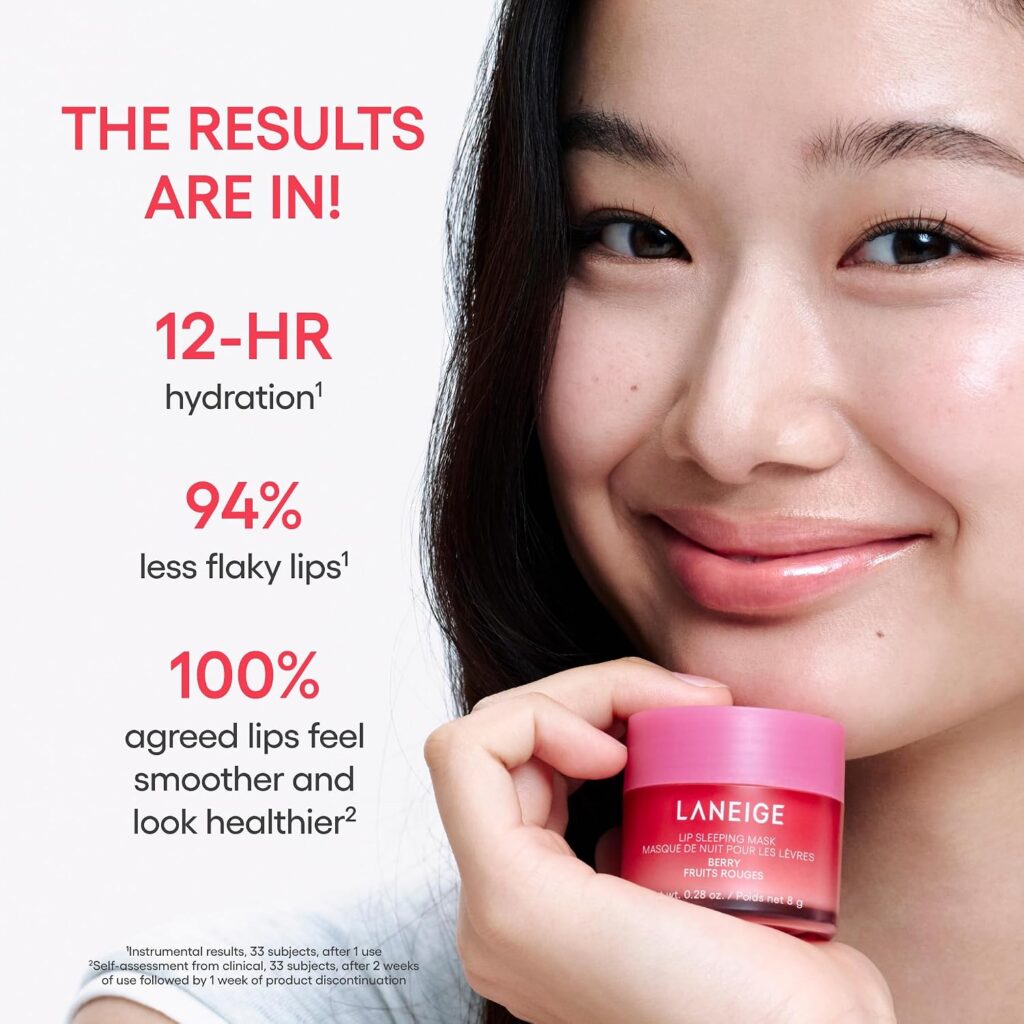
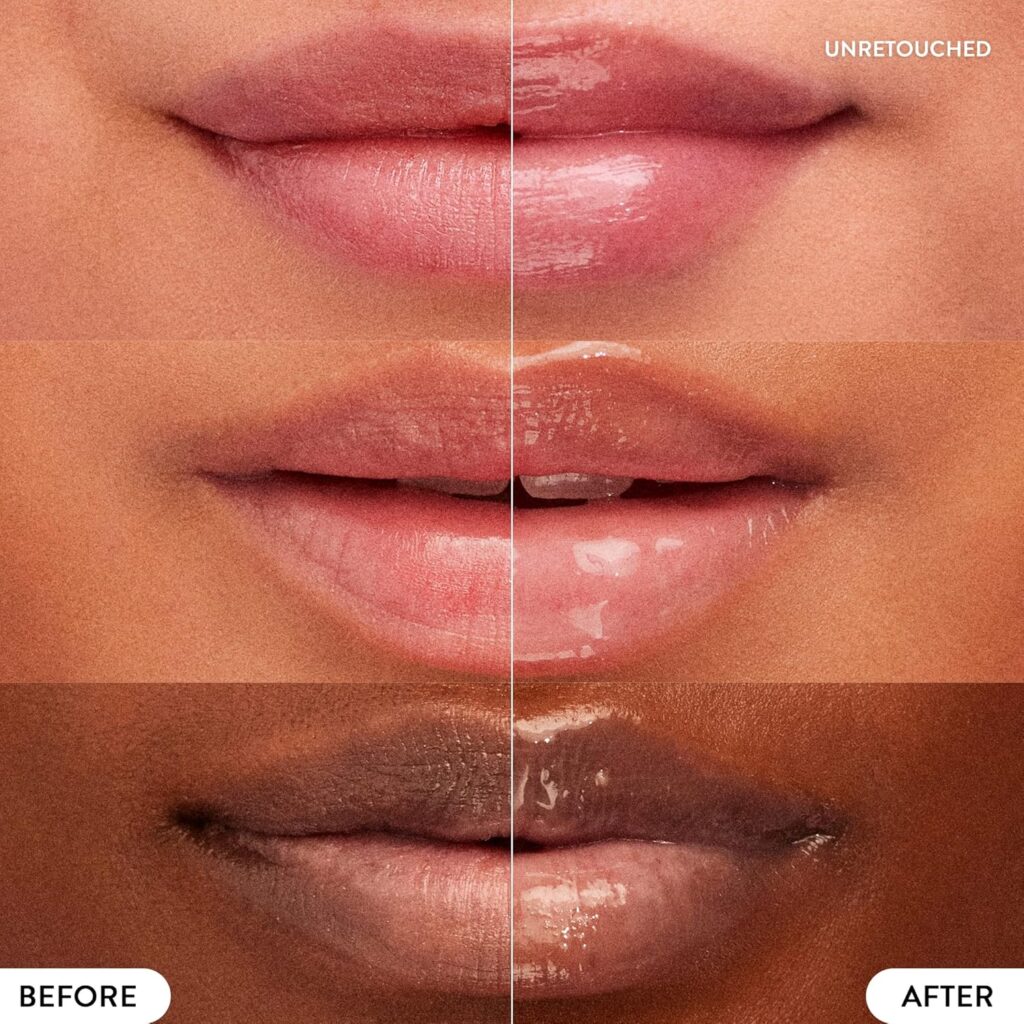
An occlusive lip treatment (Aquaphor-style) or a lip sleeping mask. Lips dehydrate faster than face in cabin air.
When to use: Boarding, then every 2 hours.
How to use: Generous layer (more than feels right), reapply throughout flight.
Why it earns the spot: Cracked dry lips are the most visible post-flight skin damage.
Top picks: Laneige Lip Sleeping Mask, Aquaphor Healing Ointment (the travel tube), Burt’s Bees Overnight Intensive Lip Treatment.
Quick tip: Aquaphor is the budget winner — does 95% of what fancy lip masks do for $3.
6. Hand Cream (because hands give you away)
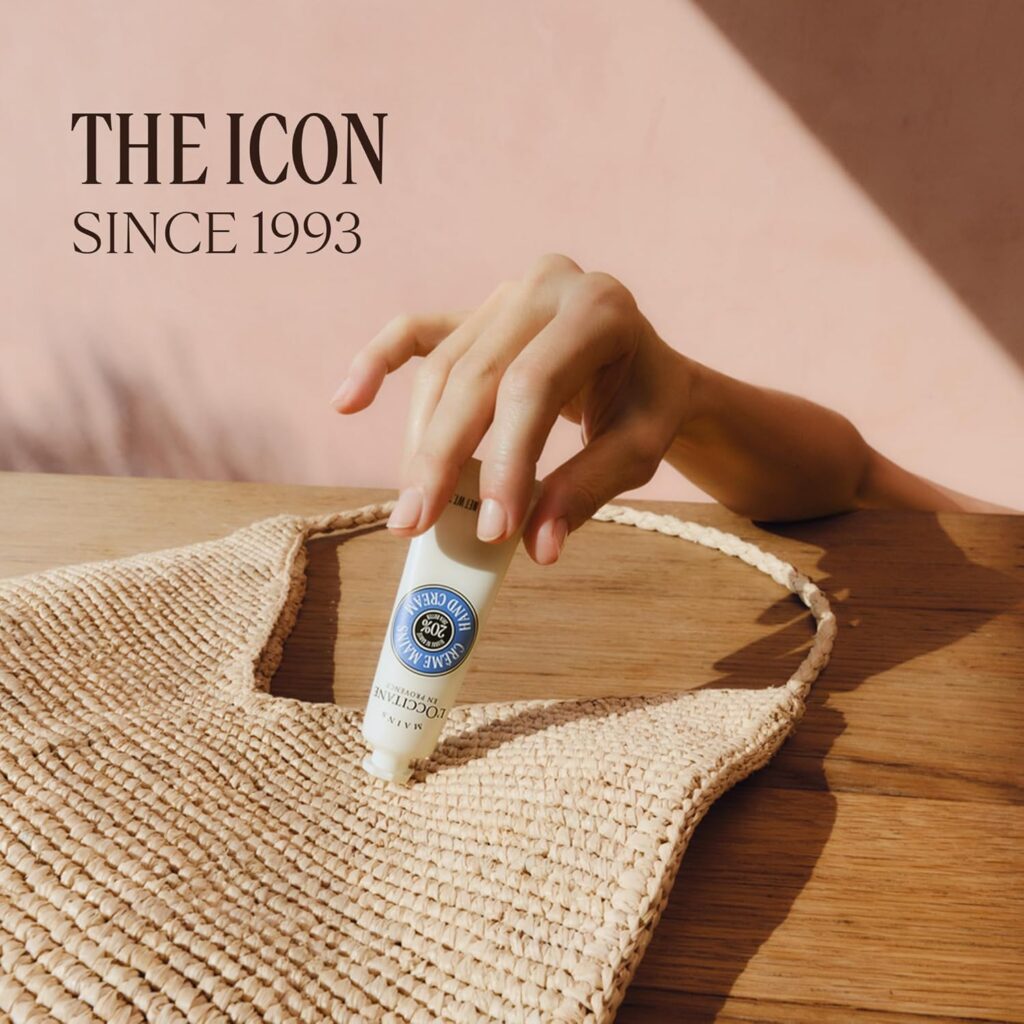
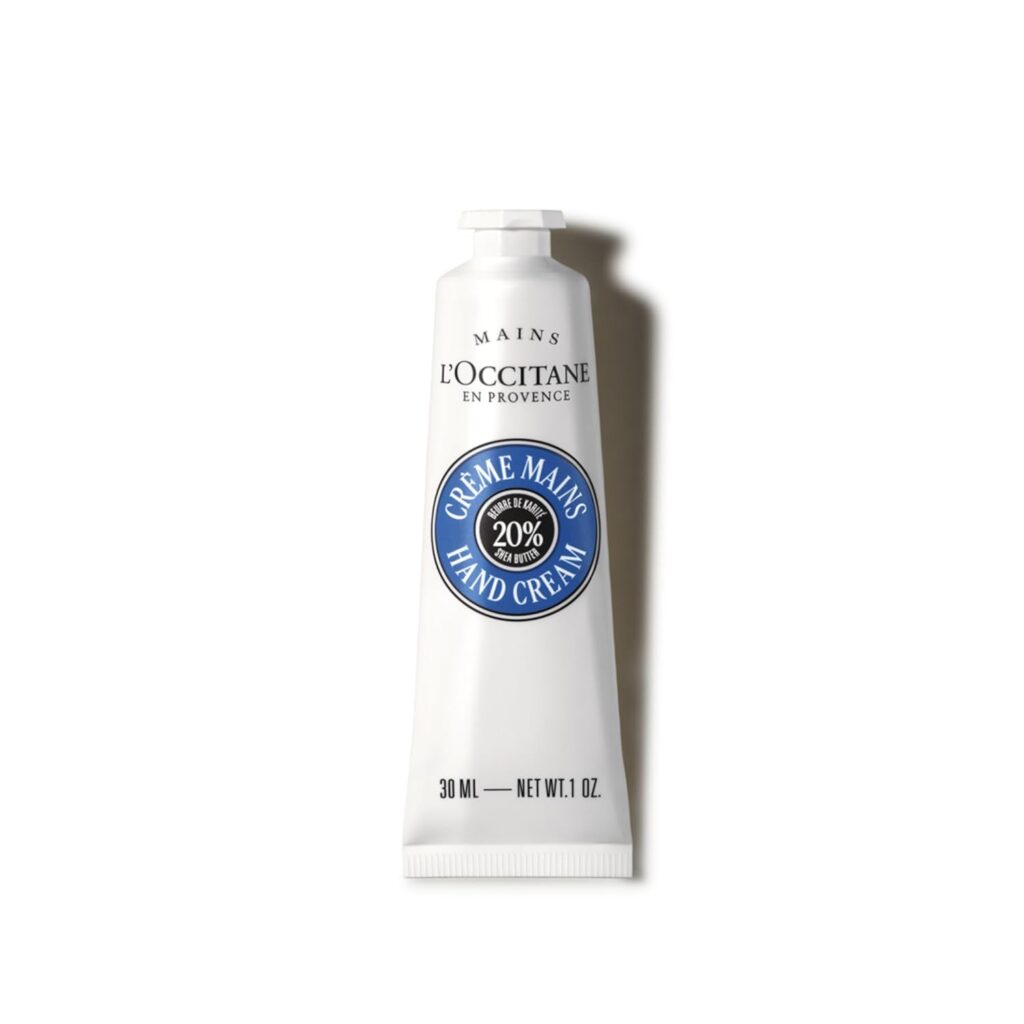
A rich hand cream. The cabin air dries hands as much as face, and hands age faster than face anyway.
When to use: Boarding, after every hand wash, every 2 hours.
How to use: Pea-sized amount, massage thoroughly into hands and cuticles.
Why it earns the spot: Hand skin is thinner than face — dehydration shows fast.
Top picks: L’Occitane Shea Butter Hand Cream, Aesop Resurrection Hand Balm, CeraVe Therapeutic Hand Cream.
Quick tip: Apply hand cream right before nail polish on the morning of your flight too — keeps polish from drying out faster.
7. Mineral SPF Stick (for window seats and daytime flights)
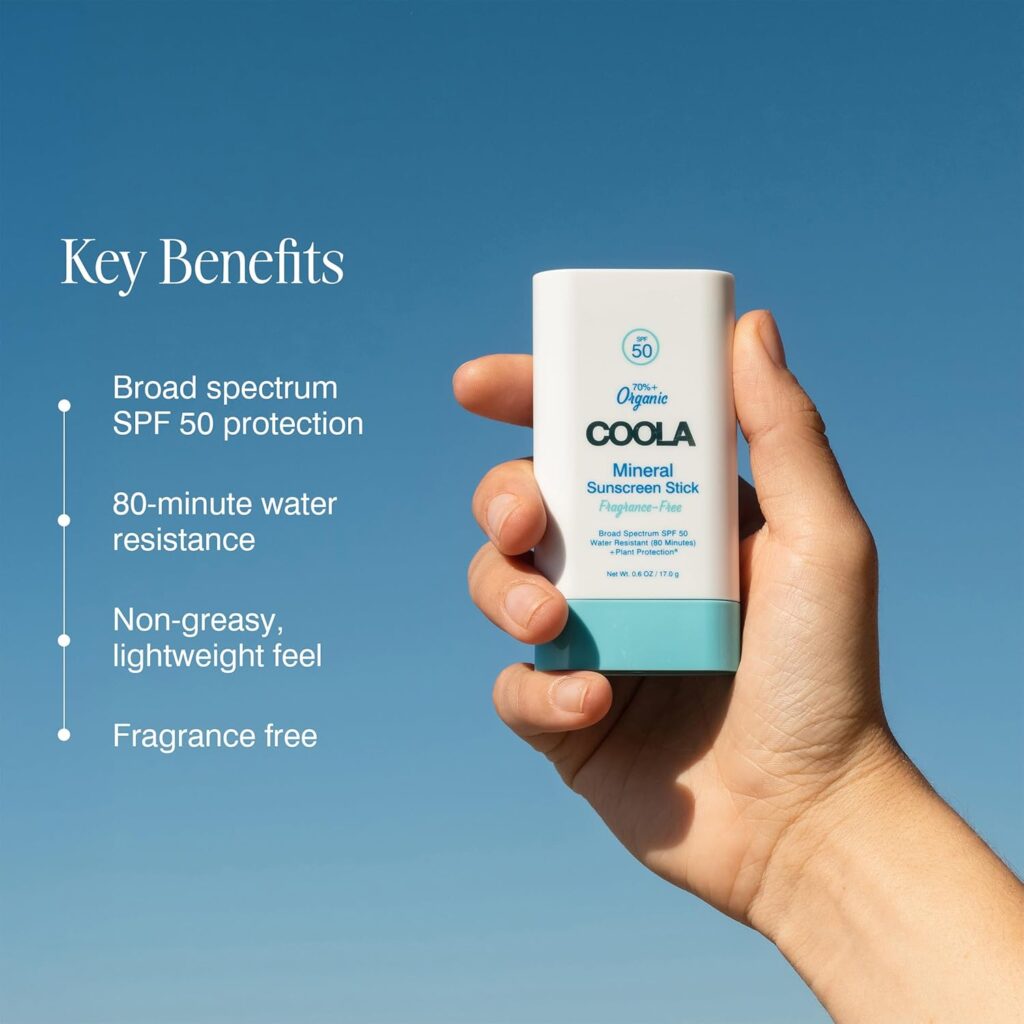
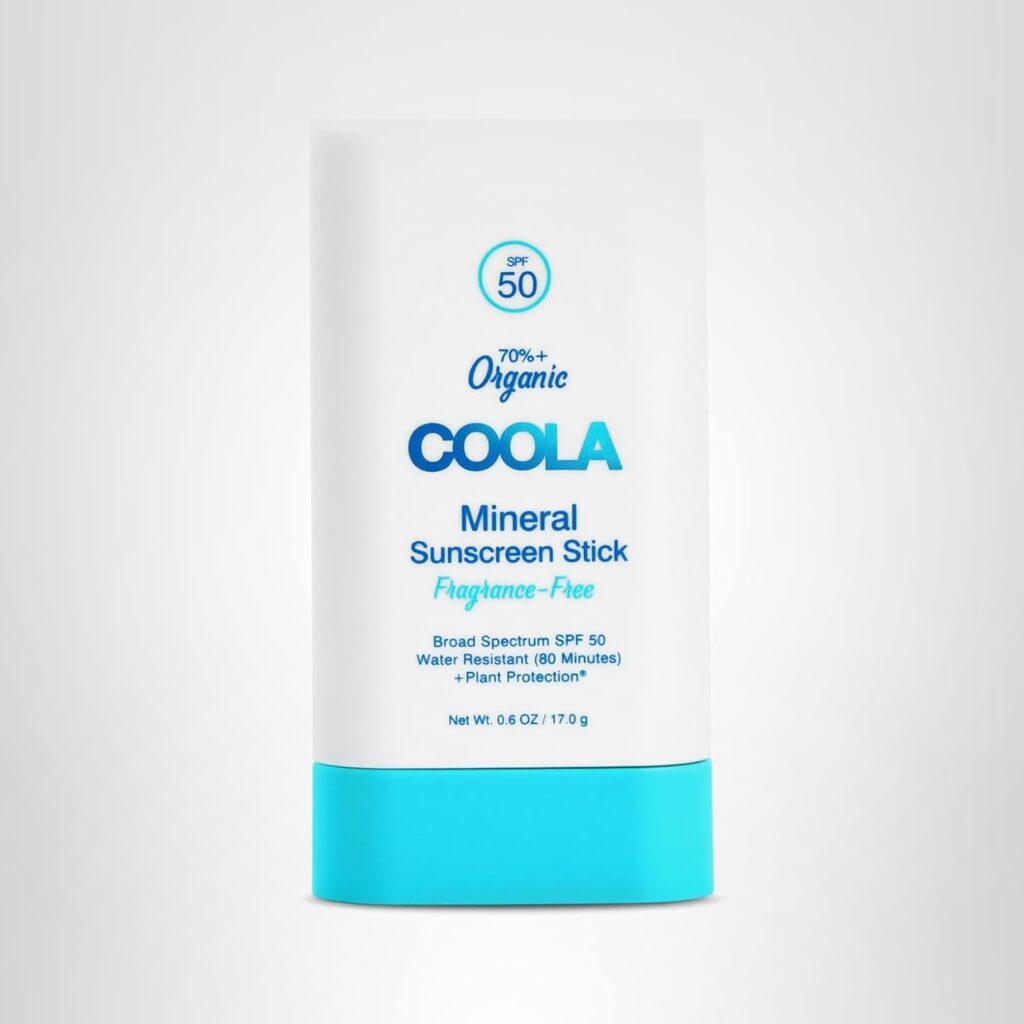
A mineral SPF stick (TSA-compliant, easy to reapply). Critical for window seats and any daytime flight portion.
When to use: Before boarding (if daytime). Reapply every 2–3 hours during daytime flight.
How to use: Swipe directly on face, blend with fingers, focus on cheekbones, nose, forehead.
Why it earns the spot: Airplane UV exposure is roughly 2x ground level. Window seats are worst.
Top picks: Supergoop! Glowscreen Sunscreen Stick, Coola Mineral SPF Stick, La Roche-Posay Anthelios Stick.
Quick tip: Stick formulas are TSA-friendly (not liquid) and reapply easily over makeup or bare skin.
The Hour-by-Hour Timing Guide
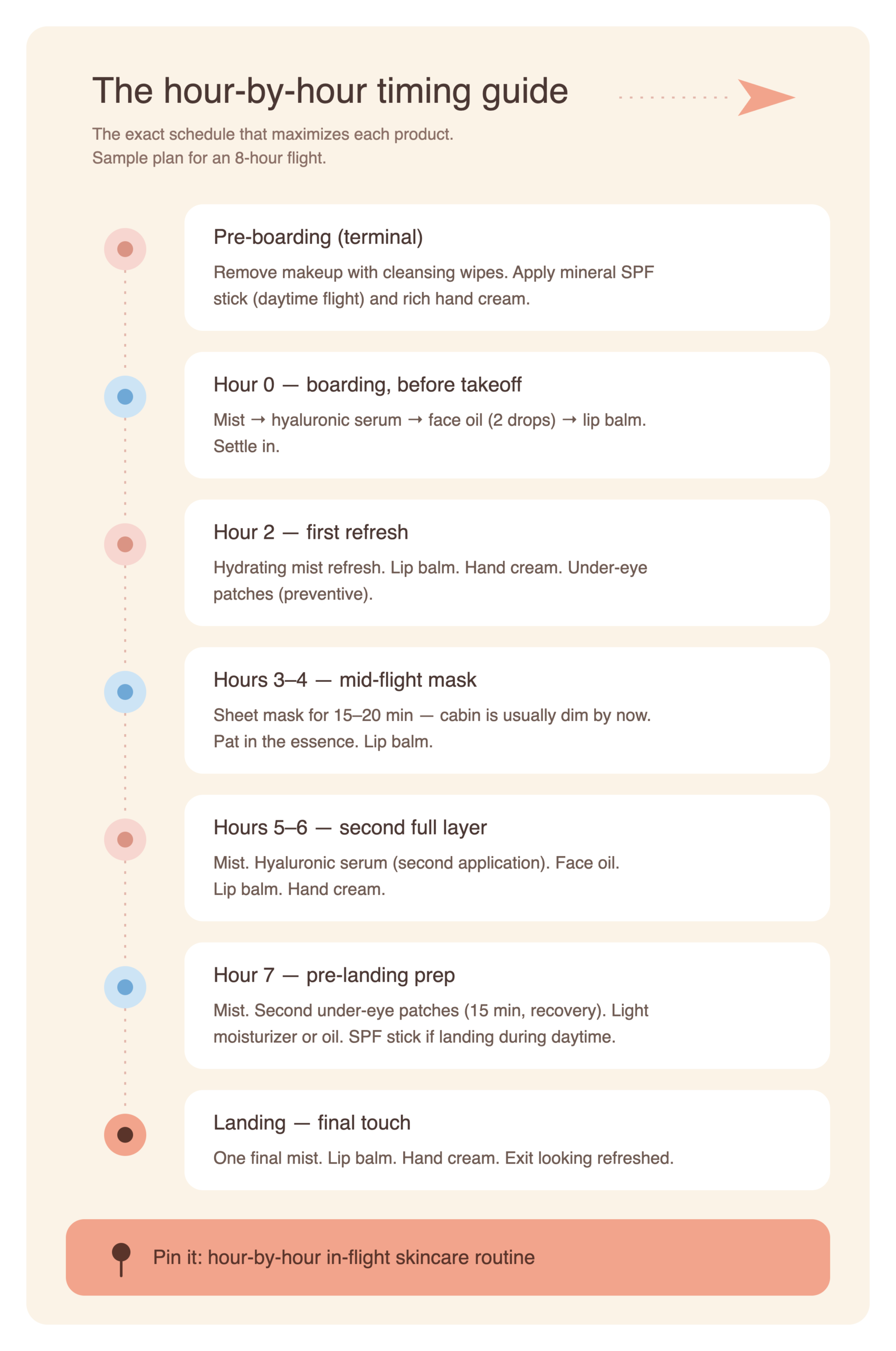
The exact schedule that maximizes each product. Sample plan for an 8-hour flight.
Pre-boarding (terminal): Remove makeup with cleansing wipes. Apply mineral SPF stick (if daytime flight). Apply rich hand cream.
Hour 0 (after boarding, before takeoff): Hydrating mist → Hyaluronic acid serum → Face oil (2 drops) → Lip balm. Settle in.
Hour 2: Hydrating mist refresh. Lip balm. Hand cream. Under-eye patches (preventive).
Hour 3–4 (mid-flight): Sheet mask (15–20 min, cabin usually dim by now). Pat in essence. Lip balm.
Hour 5–6: Hydrating mist. Hyaluronic acid serum (second application). Face oil. Lip balm. Hand cream.
Hour 7 (pre-landing prep): Hydrating mist. Second under-eye patches (recovery, 15 min). Light layer of moisturizer or oil. SPF stick if landing during daytime.
Landing: One final mist. Lip balm. Hand cream. Exit looking refreshed.
Pre-Flight Prep (24 Hours Before)
The 24 hours before the flight matter more than you’d think. Three habits that double the effectiveness of the in-flight routine.
Hydrate aggressively (water + electrolytes). Start drinking extra water 24 hours before takeoff. Add an electrolyte mix the morning of the flight. Dehydrated skin landing in a dehydrating cabin = compounded damage. Hydrated skin landing in dry air handles it much better.
Use a heavier night moisturizer the night before. Apply a richer-than-usual night cream the evening before your flight. Adds an extra reservoir of moisture before exposure to dry cabin air.
Skip retinoids and acids 2–3 days before. Active ingredients (retinol, AHA, BHA, vitamin C) make skin more sensitive — including more sensitive to dehydration and UV. Pause them 2–3 days pre-flight to give skin its strongest barrier going in.
Post-Flight Recovery (24 Hours After)
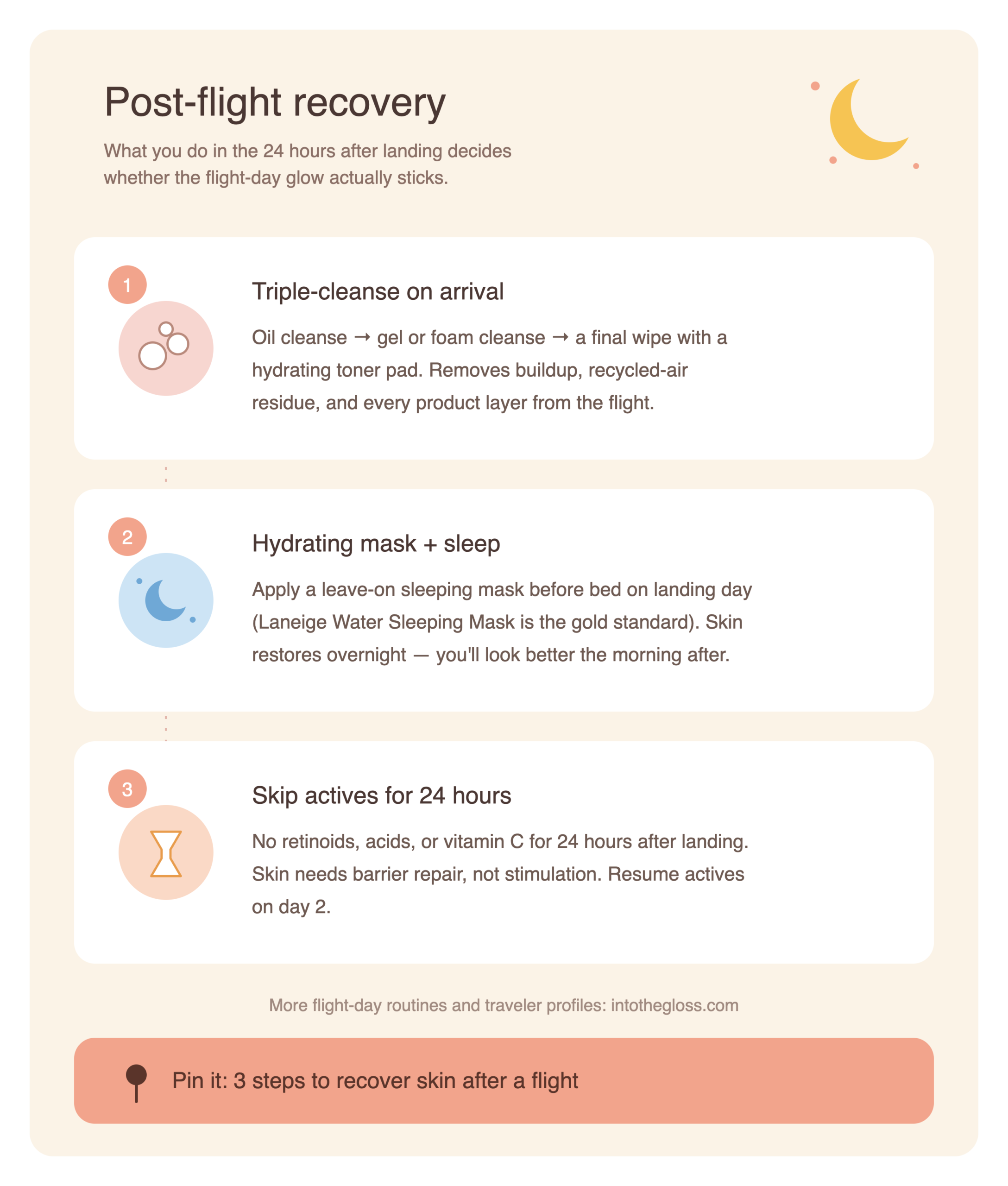
Triple-cleanse on arrival. Oil cleanse, then gel/foam cleanse, then a final wipe with a hydrating toner pad. Removes all the buildup, recycled air residue, and product layers from the flight.
Hydrating mask + sleep. Apply a leave-on sleeping mask (Laneige Water Sleeping Mask is the gold standard) before bed on landing day. Skin restores overnight, AND you’ll look better the morning after.
Skip actives for 24 hours. Avoid retinoids, acids, and vitamin C for 24 hours after landing. Skin needs barrier repair, not stimulation. Resume actives day 2.
For more on long-term skin health and travel routines, Into The Gloss regularly profiles travelers and editors with proven flight-day routines.
How to Pack It All (TSA-Compliant)
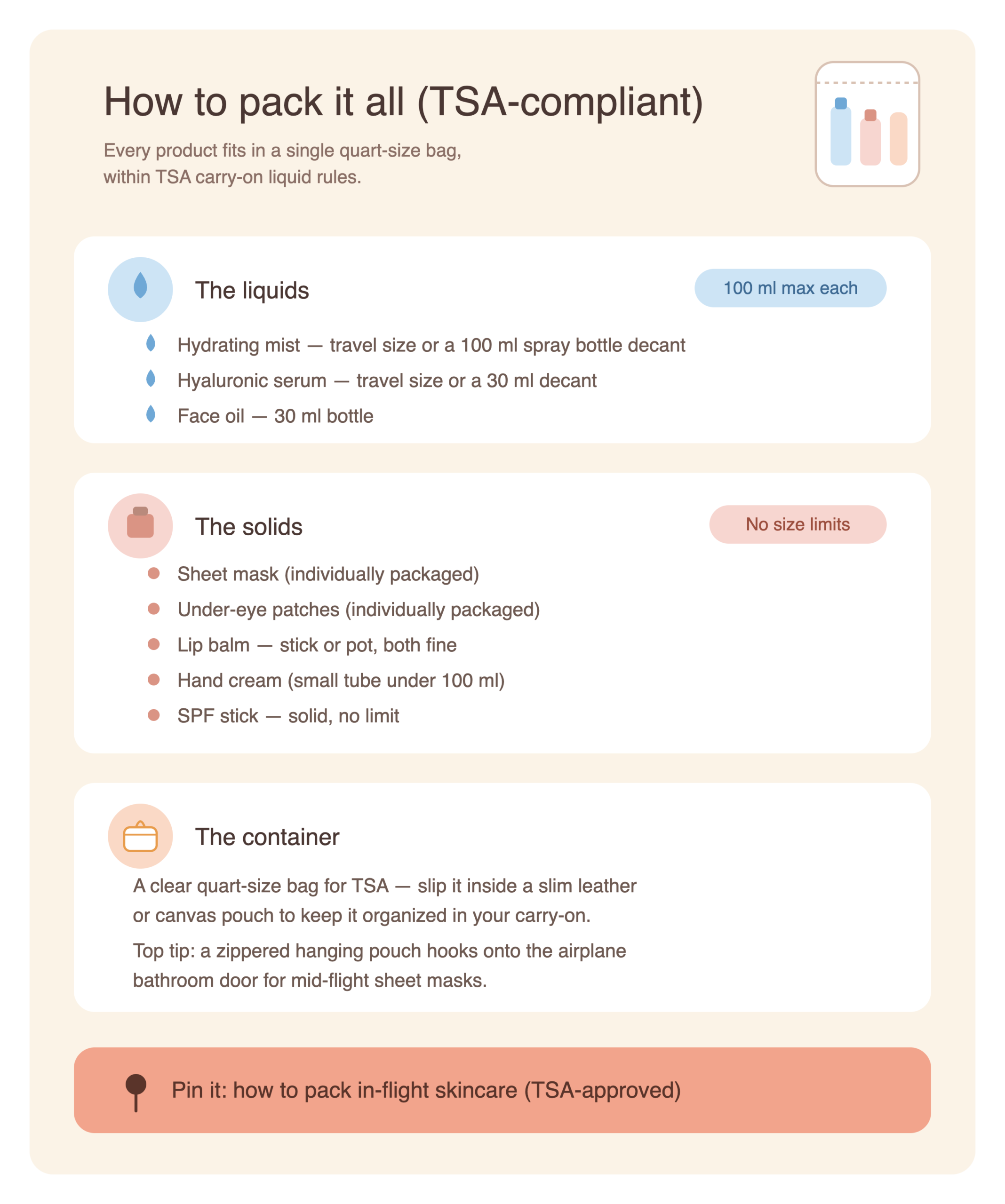
Every product above can be packed in a single quart-size bag and fit within TSA carry-on liquid rules.
The Liquids (3.4oz / 100ml or less):
- Hydrating mist — buy travel size or decant into 100ml spray bottle
- Hyaluronic serum — travel size or 30ml decant
- Face oil — 30ml bottle
The Solids (no size limits):
- Sheet mask (individually packaged)
- Under-eye patches (individually packaged)
- Lip balm (stick or pot, both fine)
- Hand cream (small tube under 100ml)
- SPF stick (solid, no limit)
The Container: A small clear travel pouch (clear quart-size bag for TSA, but a slim leather/canvas pouch keeps it organized inside your carry-on). Top tip: a small zippered hanging pouch lets you hang the whole kit on the airplane bathroom hook if you do a sheet mask.
FAQs
Do I really need all 7 products?
For short flights (under 3 hours), no — just the hydrating mist + lip balm + hand cream covers most of it. For 4+ hour flights, yes — the layered hydration is what makes the difference between “I look fine” and “I look like I didn’t fly.” For ultra-long-haul (10+ hours), all 7 plus the sheet mask are non-negotiable.
Can I do skincare on the plane if people are watching?
Yes — and most people aren’t watching as much as you think. Sheet masks are the only product that draws attention; everything else looks like regular skincare application. If self-conscious, do the sheet mask during cabin-lights-out (typical for flights with sleeping passengers).
What’s the single most important in-flight skincare product?
Hydrating mist with skincare actives. If you can only bring ONE product, this is it. The dry cabin air is the #1 problem; mist is the #1 solution. Reapply every 2 hours and you’ll arrive looking 80% better than no skincare at all.
Is in-flight skincare worth it for short flights?
For flights under 2 hours, mostly no — skin doesn’t dehydrate enough to need full intervention. For 2–4 hour flights, hydrating mist + lip balm + hand cream is plenty. For anything 4+ hours, especially international, the full routine pays off in arrival photos and how you feel.
What about men? Does this routine work for them?
Yes — skip the sheet mask if it feels too involved (or do it during cabin-lights-off), and the rest of the routine works identically. Pre-flight prep (water, heavy moisturizer the night before, pause actives) helps everyone. Men with dry skin or who fly often benefit from the same hydration layering — beard included.
Conclusion
The post-flight glow isn’t a coincidence — it’s a routine. The 7 products in this post, used at the right times across your flight, are the difference between landing exhausted and landing photographable. Pack the kit once, use it on every flight, and you’ll never look “off a red-eye” again.
Pick three products to start with (hydrating mist + lip balm + hand cream are the minimum effective dose). Add the rest over time as you take more flights. By trip 3, the routine will be muscle memory.
![9 Best Face Wash for Skin Whitening [Tested and Reviewed]](https://magicalassam.com/review/wp-content/uploads/2021/06/Best-Face-Wash-for-Skin-Whitening.jpg)